








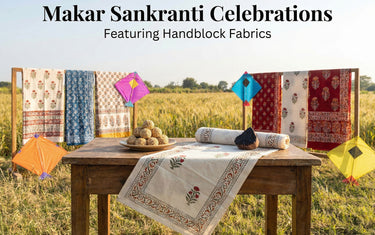
The air in mid-January holds a specific, almost crystalline quality. If you close your eyes, you can practically breathe it in—the sweet, toasted aroma of til-gul roasting in heavy pans, the distant, rhythmic whistling from a neighboring rooftop, and that sharp, lingering coolness that reminds us winter hasn't quite packed its bags. As we stand on the threshold of Makar Sankranti 2026, I find myself looking up at the sky, watching the first scattered dots of color—the early kites—and thinking about what it means to truly celebrate.
Rarely is the choice of what we wear so deeply connected to the spirit of the earth as it is during this festival. We often get caught up in the "look" of a celebration, but I believe the "feel" is what actually lingers in our memory. This year, I’ve noticed a shift. We are moving away from the scratchy, synthetic fabrics of the past and returning to the quiet, dignified luxury of the loom. Choosing eco-friendly fabrics for Makar Sankranti isn't just a nod to tradition; it’s a conscious decision to respect the very sun and soil we are celebrating.
Why Makar Sankranti Is Celebrated
To understand the beauty of the threads we drape, we first have to look at the light of the day itself. Why Makar Sankranti is celebrated goes far deeper than just a date on the calendar. It is our planet’s way of declaring that the light has returned. This is the day the Sun moves into the zodiac sign of Capricorn, or Makara, marking the end of the long winter solstice and the beginning of Uttarayan.
It’s a festival of transition—a cosmic "moving on." In 2025, we saw a massive wave of people wanting to reconnect with their roots, but by Makar Sankranti 2026, that desire has matured into a lifestyle. When we ask why Makar Sankranti is celebrated every year, we are essentially celebrating the harvest—the literal fruits of our labor. It is a day of gratitude for the farmers, the cattle, and the sun that makes life possible. If the day is about the harvest, doesn’t it make sense to wear a fabric that is a harvest in itself? Cotton is, after all, just sunlight and water turned into fiber.
Importance of Makar Sankranti in Indian Culture
The importance of Makar Sankranti lies in its incredible ability to tie this massive, diverse country together. Whether it’s the bonfire of Lohri, the boiling pots of Pongal, or the kite-filled skies of Jaipur, we are all looking at the same sun. It is a day of Sankraman—of movement and change. We are told to exchange sweets and speak sweetly, but the importance of Makar Sankranti in today’s world has taken on a new dimension.
It has become our yearly reminder to slow down. In a world that moves at the speed of a notification, Makar Sankranti asks us to stand on a terrace, feel the wind, and watch a kite soar. It’s a sensory experience. This is where the fabric comes in. You cannot feel connected to the wind if you are wrapped in plastic-based polyesters. You need the "breath" of the earth against your skin. The cultural weight of this day demands a certain purity, a certain honesty in our materials.

Why Eco-Friendly Fabrics Align with Makar Sankranti Values
There is a beautiful, almost poetic logic to using sustainable clothing for Makar Sankranti. Think about it: the festival honors the natural cycles of the earth. When we choose organic cotton festive wear, we are participating in that same cycle. We aren't interrupting it with microplastics or harsh, chemical dyes.
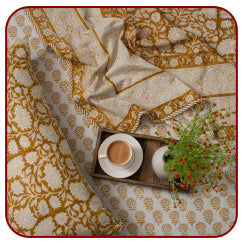
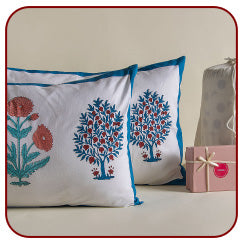
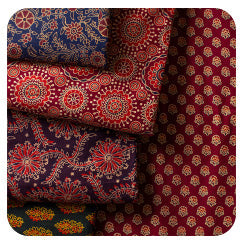
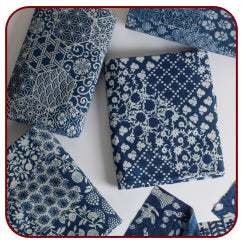
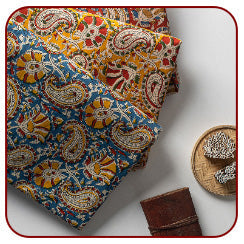
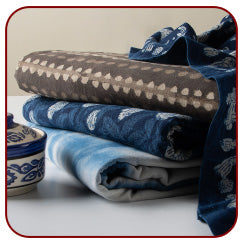
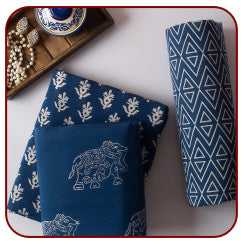
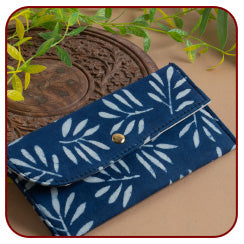
I believe that Makar Sankranti eco-friendly fashion is the most authentic way to honor our heritage. Sliding into a handloomed outfit is like wearing a piece of history. You are literally feeling the dedication of a craftsman who works in harmony with the loom. Whether it is the deep, soulful pull of Indigo Fabric, the mathematical beauty of Ajrakh Print, or the textured storytelling of Dabu Print Fabric, these textiles possess a character that factory-made clothes simply cannot replicate.
These materials are biodegradable, breathable, and quite literally part of the earth. Choosing eco-friendly festive wear India produces is an act of ahimsa (non-violence) toward our environment, which is the highest form of celebration.
Makar Sankranti Fashion Trends 2026: Sustainable Is Stylish
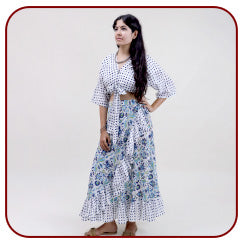
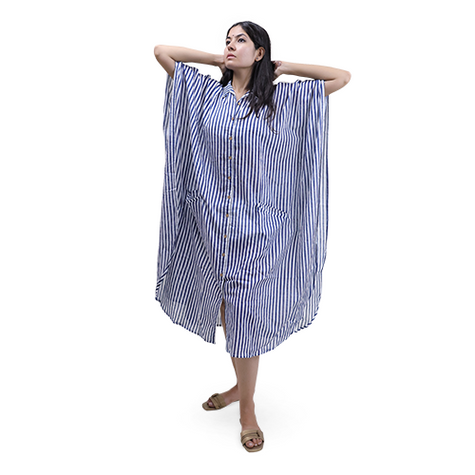
The fashion landscape for Makar Sankranti fashion trends 2026 is all about "Mindful Luxury." We are seeing a move toward pieces that are versatile, comfortable, and undeniably chic. We've moved past the days of sweating in stiff, heavy costumes just to look like we're celebrating.
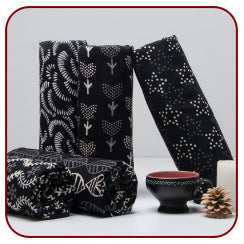
- The Power of Black: Traditionally, black is worn on Sankranti to soak up the sun's energy. This year, try a sharp coord set in a Monochrome print or charcoal Satin Cotton. It gives you that high-end silk shine but with the breezy comfort of pure cotton.
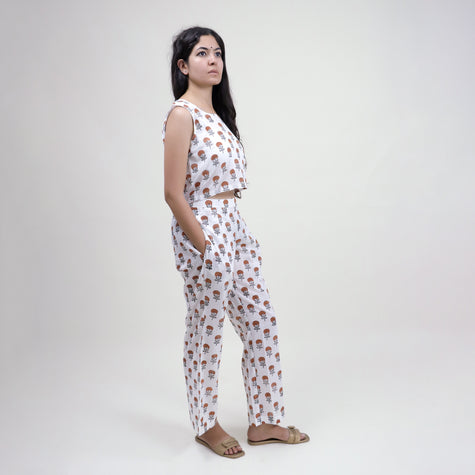
- The Modern Silhouette: For a long day of kite-flying on the terrace, a tailored pant top set in Drill or Poplin is a game-changer. These fabrics stay crisp and structured even after hours in the wind.
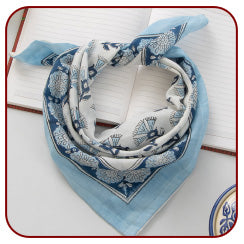
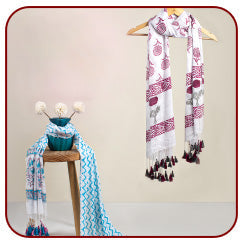
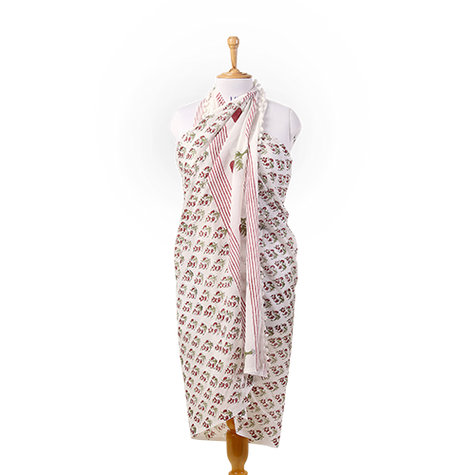
- Artisanal Accents: We are seeing a massive resurgence in handmade details. A Sanganeri Print stole in feather-light Malmal or a Cambric bandana tied around your hair adds an effortless, human touch to your outfit.
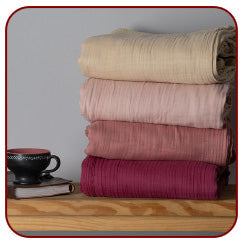
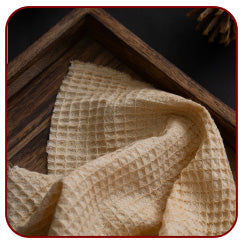
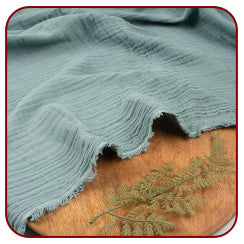
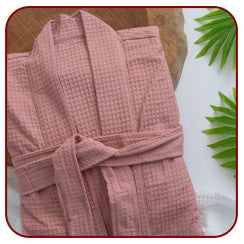
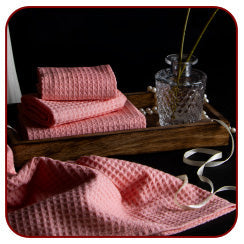
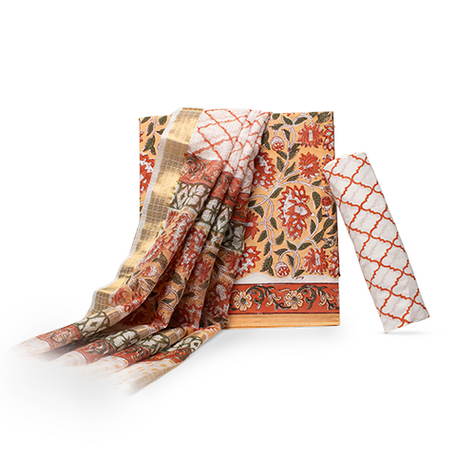
- Textural Play: Contemporary festive wear is getting tactile. Waffle Fabric and Cotton Gauze Fabric are breathing new life into traditional suit materials, offering a feel that is both modern and rooted in our heritage.
Sustainable festive fashion 2026 is about looking effortless while making a statement about what you value.
Why dmaasa Chooses Eco-Friendly Fabrics for Makar Sankranti
At dmaasa, our connection to the textile is visceral; we don’t merely view a length of Suit Material or a Bedsheet Set as stock—we see them as vessels for a more intentional life. Our drive toward sustainable fashion comes from a deep-seated admiration for the hands that create. We curate our collection with a specific intent, offering a vast library of traditional prints:
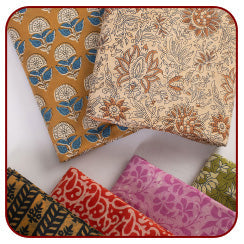
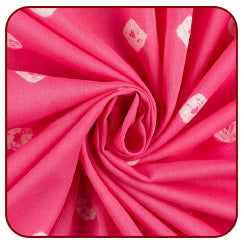
- Heritage Prints: Ranging from the organic, earthy feel of Bagru Print Fabric to the vibrant, energetic swirls of Bandhani Print Fabric.
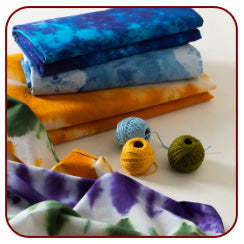
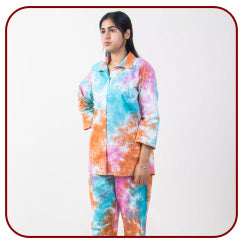
- Modern Classics: For those who want something cleaner, our Solid Fabric and Tie Dye Fabric offer a minimal, contemporary look.
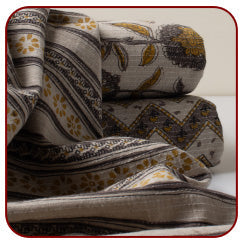
- Intricate Artistry: The tiny, painstaking stitches of Kantha Print Fabric and the detailed layers of Discharge Hand Block Print Fabric are a direct tribute to human focus and skill.
We use Muslin for its historical weightlessness—a cloth so fine it was once likened to "woven air"—and Cambric and Voile for their smooth, refined finish. Our home collections feature the honest, raw texture of Canvas or the unique character of Slub Cotton. When you choose dmaasa eco-friendly fabrics, you are choosing a brand that believes luxury should never cost the earth. Every piece of sustainable festive wear by dmaasa is designed to be lived in, washed, and cherished across seasons.
How Eco-Friendly Clothing Enhances Makar Sankranti Celebrations
Luxury, to me, is the ability to be completely comfortable in your own skin. Are eco-friendly fabrics suitable for winter festivals like Makar Sankranti? The answer is a resounding yes. High-quality cotton is a natural insulator. It keeps you warm during the chilly morning puja and lets your skin breathe when the afternoon sun beats down on the terrace.
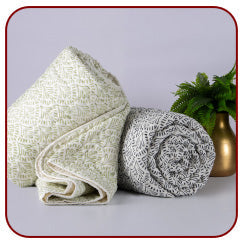
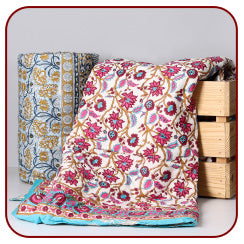
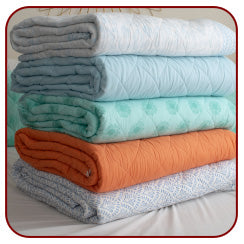
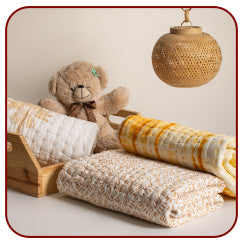
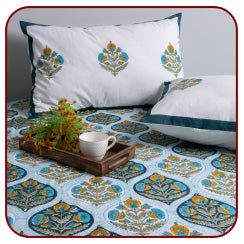
Imagine the start of the holiday: you wake up wrapped in a cosy dmaasa bedsheet set, maybe layered with a Kantha quilt or a traditional Jaipuri Razai. The ultimate Indian layer for this season, a Dohar blanket, is pulled over your shoulders as you go outside to greet the first light.
Your house becomes the focal point of the celebration as the day goes on:
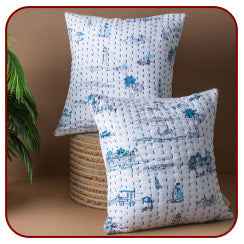
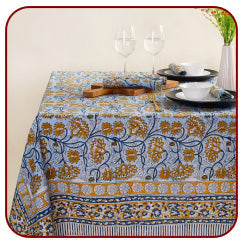
- Living Space: Friends and family can relax against Cushions covered in the intricate patterns of Ajrakh or Dabu.
- Atmosphere: Ethereal Voile Curtains catch the winter sun, scattering soft, dancing light throughout the room.
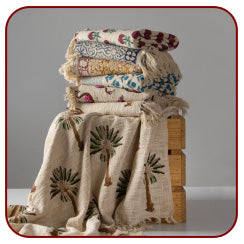
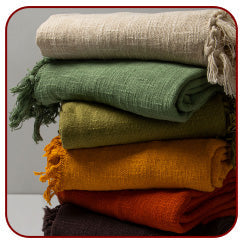
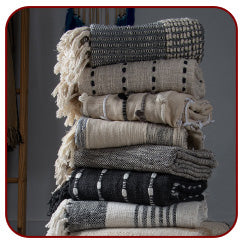
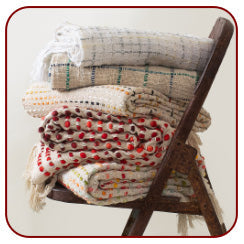
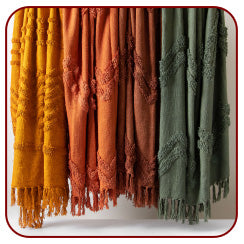
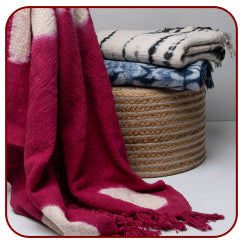
- Evening Chill: As the party winds down and the sky fades, you can curl up under a heavy Gauze Throw or Woven Throw, staying cozy until the very last kite is gone.
By choosing natural fibers for your clothes and home linens, you aren't just following a trend; you're building a lifestyle centered on beauty and well-being.
Makar Sankranti Fabrics FAQ
Why should I choose eco-friendly fabrics for Makar Sankranti?
Eco-friendly fabrics like Indian cotton are kinder to your skin, support the livelihoods of local weavers, and are entirely biodegradable. They ensure that your festive joy doesn't leave a negative footprint on the planet.
Why Makar Sankranti is celebrated every year?
This festival marks the sun's entry into the Makara (Capricorn) zodiac, signifying the end of the winter solstice and the dawn of longer, sun-soaked days. It is a holy time for showing gratitude for the harvest and honoring the life-giving power of the sun.
What is the importance of Makar Sankranti in today’s world?
In an era of screens and artificial living, this festival tethers us back to the earth's natural rhythms. It pushes us to live with more awareness—respecting our environment, our community, and the food that nourishes us.
Are eco-friendly fabrics suitable for winter festivals like Makar Sankranti?
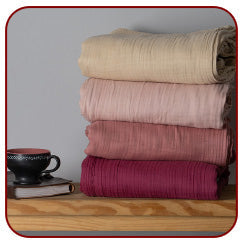
Yes. Natural materials like Satin Cotton, Poplin, and Drill are excellent at regulating temperature. Essentials like Dohars, Jaipuri Razais, and layered Malmal wraps are perfect for the shifting, "warm-cold" air of January.
How does dmaasa support sustainable festive fashion?
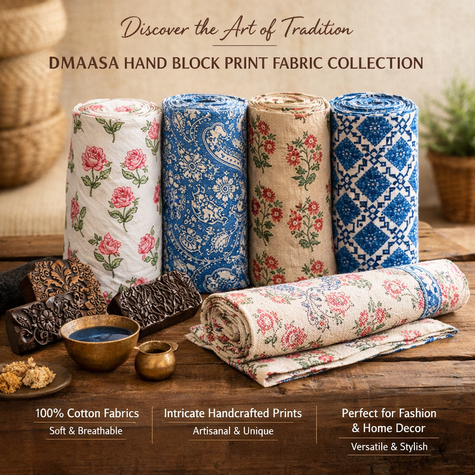
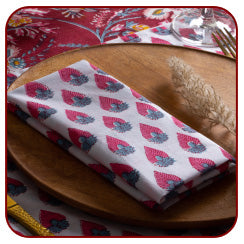
Dmaasa partners with artisans to create premium, hand-blocked textiles using methods like Ajrakh, Dabu, and Sanganeri printing. We put ethical labor and natural fibers at the heart of everything we do, so your festive wear is as kind to the planet as it is beautiful.
What makes Indian cotton better for festivals?
Synthetic fabrics simply cannot match the natural breathability and drape of Indian cottons like Malmal, Muslin, and Voile. They are true heirloom pieces because they retain richly coloured natural dyes and become softer with repeated washings.
Final Thoughts
As the kites dive and soar over the horizon of Makar Sankranti 2026, let’s choose to be as clear and purposeful as the wind. Luxury isn't about being flashy; it's about the "whisper" of a Muslin scarf, the "strength" of a Canvas tote, and the "warmth" of a Jaipuri Razai.
When you choose eco-friendly fabrics for Makar Sankranti, you are making a promise to the future. You are deciding that our traditions should be protected in a way that respects the world for the next generation. This year, let your home and your wardrobe reflect the sun’s purity. Beyond the aesthetics, there is a profound sense of peace that comes from knowing exactly where your clothes come from. When you wear a piece of Sanganeri print or Indigo fabric from dmaasa, you are carrying the legacy of generations of Indian artisans who have perfected their craft through centuries. This connection transforms a simple outfit into a powerful symbol of cultural preservation and ethical responsibility, making your celebration feel more grounded and authentic. In the end, Makar Sankranti is really about rebirth and the return of light. You are literally bringing that light into your own life by switching to eco-friendly apparel and home textiles. During this time of sharing, you are selecting materials that breathe, age gracefully, and treat the environment with the same compassion that you show your loved ones. Let this festival serve as your pledge to live a life as colourful and long-lasting as your hand-block clothing.
Happy Makar Sankranti!
Relevant Blogs: | Trendy Throw Blanket | Apron Dress for Women | Hand Block Print on Fabric | Duvet vs Comforter |