


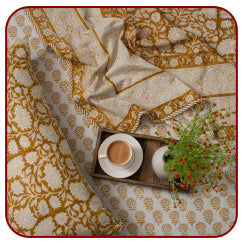



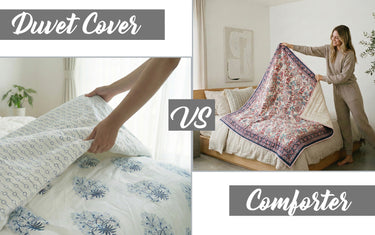
Imagine walking into a luxury hotel room. The first thing that catches your eye, apart from the stunning decor, is the bed. A cloud-like, meticulously layered masterpiece that promises the most restful sleep. At the heart of this perfect setup lies a quintessential piece of bedding. But is it a duvet or a comforter?
For many, these terms are used interchangeably, yet they represent two distinct philosophies of comfort and style. As a connoisseur of fine home linens, you understand that the choice between a duvet and a comforter is more than just semantics; it's about crafting an experience. At dmaasa, where we celebrate the timeless elegance of Indian craftsmanship and the breathability of pure cotton, this choice becomes a canvas for your personal expression. Let’s unravel the subtle yet significant differences and help you decide which one is your perfect match.
Unpacking the Basics: What Defines a Comforter?
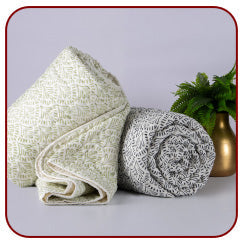
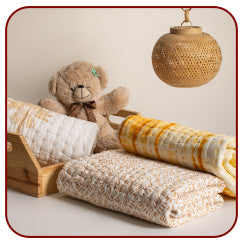
A comforter, at its core, is a pre-filled, quilted bedding piece. It's a singular item, a plush blanket filled with natural or synthetic fibers like cotton, wool, silk, or down. The filling is evenly distributed and held in place by a series of stitches or a quilted pattern, like the diamond pattern on our Hand Block Grey Floral Printed Soft Cotton Quilt Comforter. This design ensures the filling doesn't shift, providing consistent warmth and loft across the entire surface.
Consider the comforter to be a standalone work of art, a bold statement on its own. It’s ready to use right out of the box, often featuring its own design and color. This makes it a great choice for those who prefer simplicity and a finished look without the extra step of a cover. A comforter's quilted construction makes it a less fluffy, more streamlined option, perfect for a neatly made bed.

Key Features of a Comforter:
- Single Piece: It's an all-in-one unit, with the outer fabric and filling stitched together.
- Quilted Construction: The filling is secured in place by stitching, preventing bunching.
- Variety of Fills: Can be filled with cotton, polyester, down, or blends, catering to different warmth preferences.
- Ready-to-Use: No need for an additional cover. It's a complete bedding piece.
Decoding the Duvet: A Two-Part System
A duvet, in contrast, is a two-part system. It consists of the duvet insert, a plain, typically white, bag of fluff filled with down, feathers, or synthetic alternatives, and the duvet cover, a removable, washable outer shell. The insert is designed to be lightweight and supremely fluffy, while the cover provides the aesthetic and protective layer.
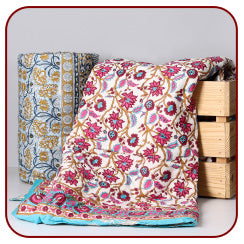
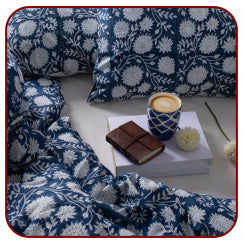
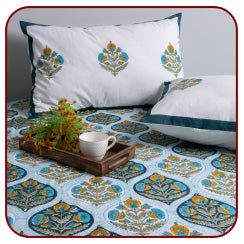
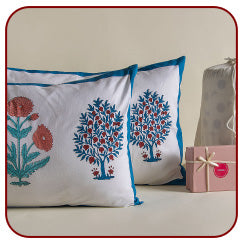
This unique separation is the very secret behind the duvet's widespread appeal. It offers unparalleled versatility. You can change your duvet cover with the seasons, your mood, or your evolving decor, all without replacing the insert. This makes it a highly practical and hygienic choice, as you only need to wash the cover, not the entire insert. Our exquisite range of Hand Block Printed Cotton Bed Duvet Covers with Shams, with their vibrant patterns, perfectly showcases this versatility.
Key Features of a Duvet:
- Two-Part System: An insert and a removable cover.
- Versatility: The cover can be changed easily for a fresh look.
- Easy Maintenance: Only the cover needs to be washed regularly, simplifying laundry.
- Unrivaled Fluffiness: Duvet inserts, especially those with down, are known for their exceptional loft and cloud-like feel.
Duvet vs. Comforter: The Head-to-Head
Now that we understand the fundamental differences, let's pit them against each other in a series of key considerations.
Maintenance: The Ultimate Tiebreaker
This is perhaps the most significant difference. A comforter can be a beast to wash. Its quilted, bulky nature often requires a large-capacity washing machine and can be difficult to dry completely. Many high-quality comforters are even dry-clean only. This makes them a less convenient choice for those who value easy upkeep.
A duvet, on the other hand, offers a truly dreamy experience. You simply unbutton or unzip the cover, toss it in the wash, and put it back on the insert. The insert itself only needs cleaning a few times a year. This makes a duvet a perfect choice for households with children, pets, or anyone who values a quick and easy laundry routine.
Styling: A Canvas for Creativity
With a comforter, you're buying a pre-styled piece. While it looks neat and finished, your styling options are limited to the design you choose. You can layer it with a dohar blanket or a throw, but the main visual element is fixed.
A duvet, however, is your artistic canvas. Your duvet cover is the anchor of your bed's style, defining the entire look. You can have a collection of covers to reflect different seasons and moods. Want to feel cosy? Go for a luxurious velvet or knit cover. Craving a fresh, summery vibe? The answer is a light and breezy organic cotton duvet cover with a cheerful print. You can even mix and match a plain white duvet cover with a vibrant hand-block-print bedsheet and contrasting cushion covers for a layered, designer look.
Warmth and Climate: Catering to Every Season
For a cold climate, a high-quality down or wool-filled duvet insert offers superior warmth with minimal weight. Its fluffiness traps air, providing excellent insulation. You can also vary the fill power of the insert to match the temperature, opting for a lower fill for hot sleepers or a warmer insert for winter.
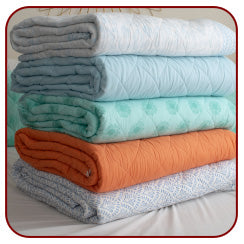
Comforters are available in a spectrum of weights and fills, from airy and light to luxuriously heavy. A lightweight cotton comforter is a great choice for the summer or for a moderate climate, offering a breathable, comfortable layer. For winter, a heavier comforter with a high-density fill would be required. The quilted nature of a comforter makes it a great choice for those who want a blanket that feels secure and doesn't shift much during the night.
Cost: An Investment in Comfort
Initially, a high-quality comforter might seem more affordable than a duvet insert and cover sold separately. However, when you factor in the long-term, the duvet system often proves to be more economical. You can refresh your bedroom's look for a fraction of the cost by simply purchasing a new duvet cover instead of an entire comforter. This makes it a smart, sustainable choice for the conscious consumer.
The Final Verdict: Which One Should You Choose?
Deciding between a duvet and a comforter ultimately comes down to your personal style and sleeping habits.
Choose a comforter if you:
- Prefer a simple, all-in-one bedding solution.
- Love a clean and uncluttered look on your bed.
- Are drawn to a specific design and don't plan on changing your bedroom's aesthetic often.
- Want something that's ready to use right out of the packaging?
Choose a duvet if you:
- Enjoy changing your bedroom's look with the seasons or your mood.
- Value easy maintenance and a simple laundry routine.
- You want to make a one-time investment in a high-quality insert that will stand the test of time.
- Crave that fluffy, cloud-like feel that only a duvet can provide.
Ultimately, both options offer a promise of comfort and luxury. At dmaasa.in, we believe in a restful night's sleep steeped in the heritage of Indian craftsmanship. Whether you opt for a plush comforter or a versatile duvet set, you're choosing more than just bedding; you're choosing a lifestyle of refined comfort.
Frequently Asked Questions (FAQ)
What is a duvet cover?
Consider the duvet cover to be your bedding's refresh button. It's a removable shell for your duvet insert that shields it from dirt and wear, making it effortless to wash and change your bed's style in an instant. It's the ultimate bedding accessory, designed to keep your insert clean while giving you the freedom to completely change your bed’s look with a simple swap.
How do you put on a duvet cover?
There are a few popular methods, but the 'burrito' or 'sausage' method is the easiest. Lay the cover inside-out on your bed. Lay the duvet insert on top. Roll both layers together from the bottom to the top. Once rolled, pull the end of the cover over the roll and unroll it.
How do you fold a duvet cover?
To fold a duvet cover, first, turn it right side out. Lay it flat, then fold it in half lengthwise. Smooth out any wrinkles. Fold it in half again lengthwise, and then fold it into thirds or quarters until it's a manageable size.
What's the best way to make a bed with a duvet cover?
After putting the cover on the insert, lay the entire duvet on your bed. You can fold it in half at the foot of the bed for a layered look or spread it out to cover the entire mattress. The pillow shams that often come with a duvet set are placed over your pillows to complete the look.
How do you secure a duvet cover?
To solve the common problem of a shifting, bunched-up duvet, many covers now feature discreet ties or loops in each corner to anchor the insert securely. You can tie these to the corresponding loops on the duvet insert to prevent it from shifting inside the cover.
How to wash a duvet cover?
To keep your duvet cover looking its best, always take a moment to check the care label before washing. To preserve the feel and color of your cotton and linen duvet covers, the best method is a cold machine wash on a delicate cycle using a mild, gentle detergent. To prevent shrinkage and maintain the fabric's quality, either tumble dry on a low setting or line dry.
Where to buy duvet covers online?
For a curated collection of exquisite, handcrafted cotton duvet covers and more, you can explore dmaasa.in. We offer a wide range of beautiful designs and high-quality fabrics, from king-size duvet covers to single bed duvet cover options.
Relevant Blogs: New Jaipuri Razai | Handcrafted Hand Block Printed Fabrics | Fabrics for Men’s Daily Wear | Newly Block Printed Fabrics |