


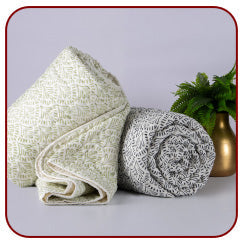
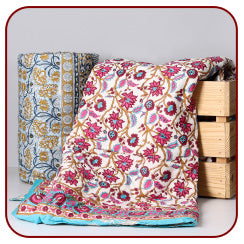
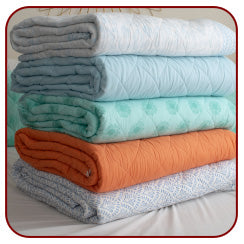
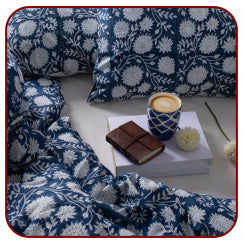
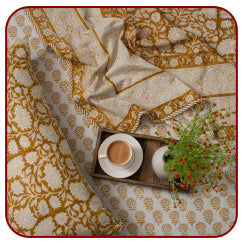
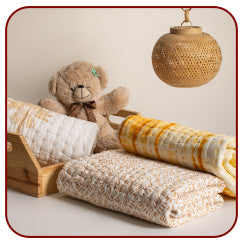
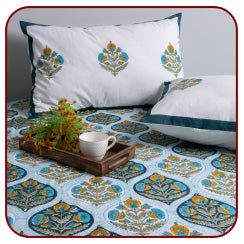
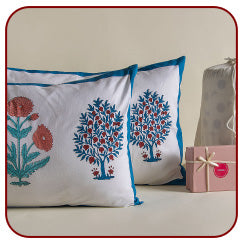
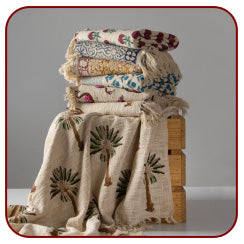
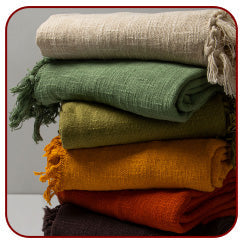
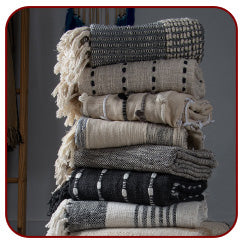
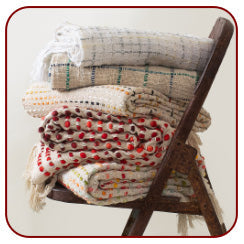
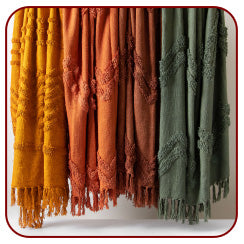

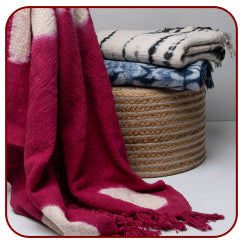
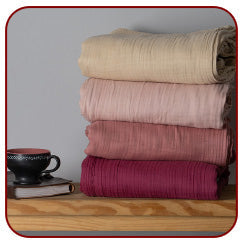
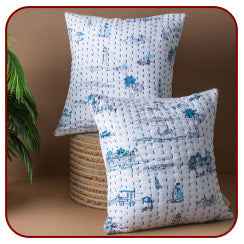
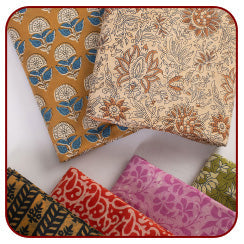
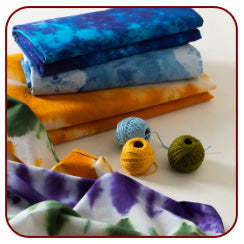
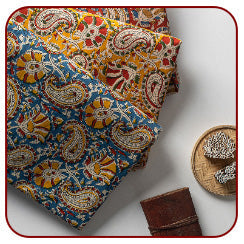
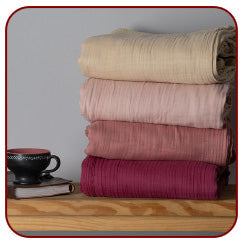
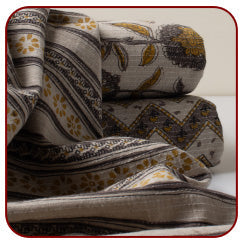
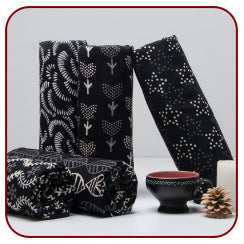
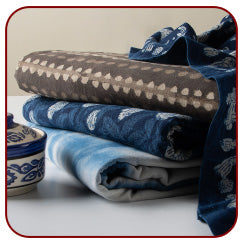
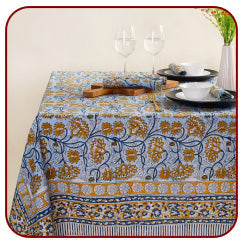
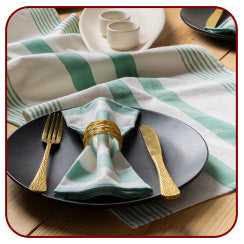
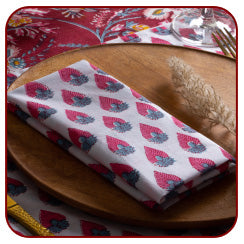
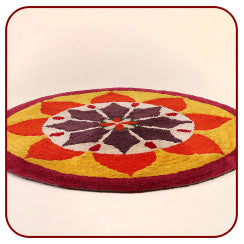
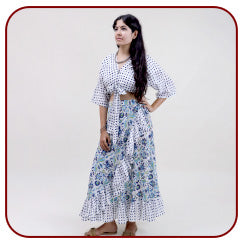
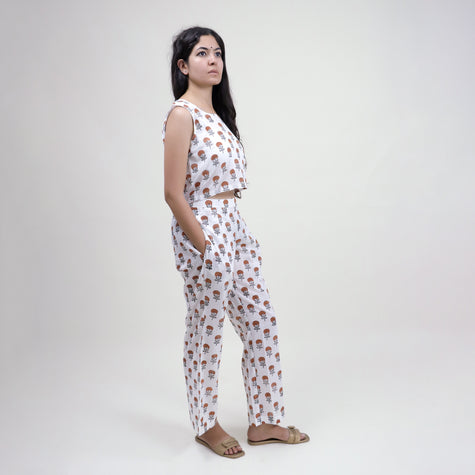
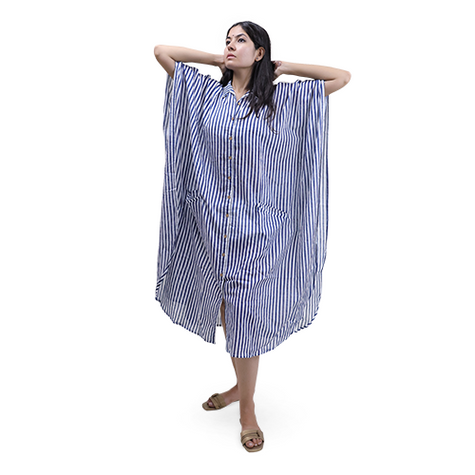
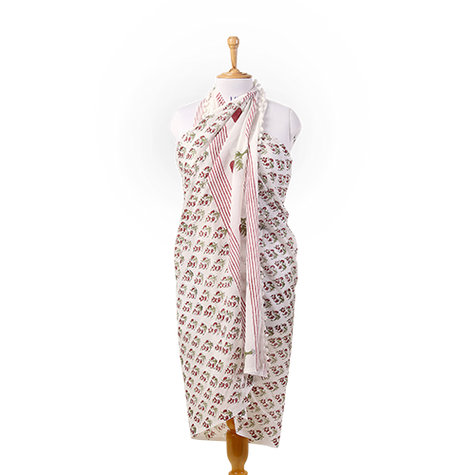
In an age of instant gratification, there exists an art form that champions patience, precision, and the soulful touch of human hands. We’re talking about hand block printing, a venerable craft that transforms simple cotton into a canvas of living history. At Dmaasa, we celebrate this quiet luxury, believing that the subtle imperfections of a handmade piece are its most profound qualities.
Our collection is a tribute to the skilled Indian artisans who, with each deliberate stamp, imbue our bedsheets, duvet covers, and cushion covers with unparalleled character. If you’ve ever admired a hand block print fabric and wondered about the magic behind it, this guide is your key. We invite you to step into the world of this traditional Indian art.
What Is Hand Block Printing?
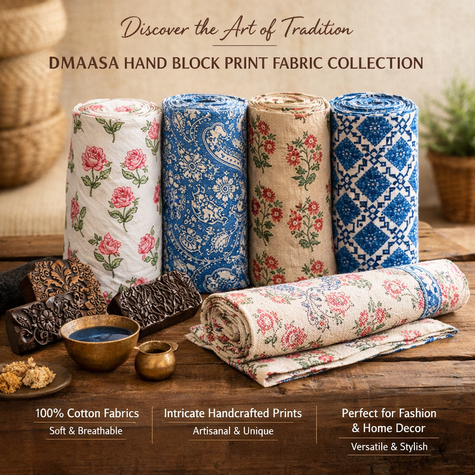
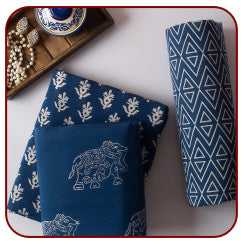
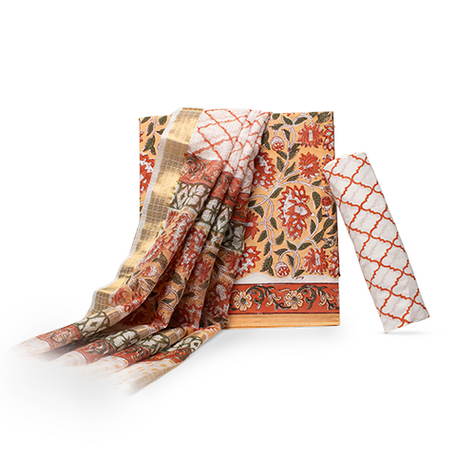
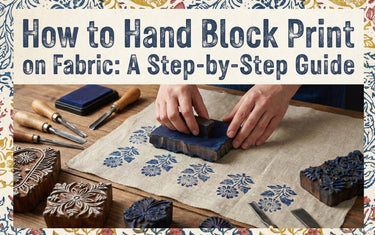
At its heart, hand block printing is an ancient manual textile printing technique that uses intricately carved wooden blocks to stamp patterns onto fabric. Originating in India centuries ago, it flourished as a celebrated art form, particularly in regions like Rajasthan. The process is a meditation in motion: an artisan dips a carved block into natural dye and presses it firmly onto the fabric, creating a repetitive and often breathtaking pattern.
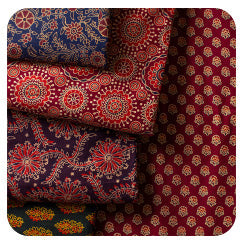
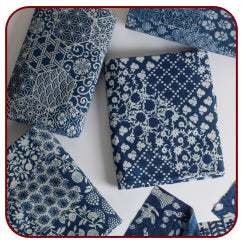
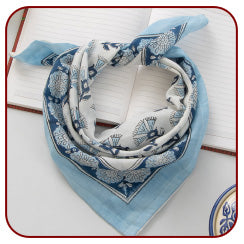
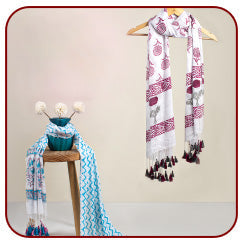
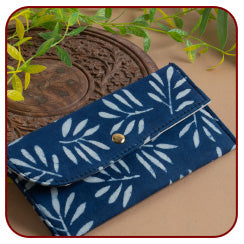
Unlike flawless, machine-made prints, hand block printing embraces the uniqueness of each impression. Each motif is placed by hand, one by one. The patterns tell stories of nature, geometry, and culture—from the delicate floral designs of Jaipuri block printing to the bold motifs of Bagru and the resist-dyed splendour of Dabu print fabric. This rich legacy is what makes our textiles more than just products; they are unique pieces of handmade fabric.

Materials You’ll Need for Hand Block Printing
The beauty of this craft lies in its elegant simplicity. You just need a few key components and a dash of creativity.
- Fabric: The foundation of your project. For authentic results, stick to natural fibers. At Dmaasa, we champion 100% cotton and other natural fabrics like linen and canvas. Their porous nature allows them to absorb dye beautifully, ensuring a vibrant and lasting print.
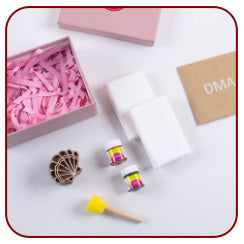
- Wooden Blocks: These are the soul of the print. Traditionally carved from sustainable woods, they are works of art in their own right. You can choose from a vast array of pre-carved blocks offering every design imaginable, from classic hand block prints to contemporary motifs.
- Dye or Fabric Paint: This is the lifeblood of your pattern. For a truly organic experience, traditional artisans use natural vegetable dyes. For a home-based project, high-quality, permanent fabric paints are an excellent choice.
- Tools: You'll need a dye tray with a sponge to create an even layer of paint, a firm, flat surface for your workspace, and pins or tape to secure the fabric. A small mallet or spoon is also helpful for applying even pressure.
Preparing the Fabric for Printing
A masterwork begins with a perfect canvas. This step is non-negotiable for a successful, long-lasting print.
Wash and dry the fabric
Always pre-wash your fabric to remove any sizing or factory finishes that could prevent the dye from adhering properly. Wash with a mild detergent and let it air dry completely before proceeding.
How to Carve and Prepare Wooden Blocks
If you're feeling adventurous, carving your own block can be a deeply personal and satisfying extension of this craft.
- Sketch the Design: Draw your pattern onto a piece of paper, then transfer it onto a smooth, flat piece of wood. Remember that the final print will be a mirror image of your carving.
- Carve the Block: Use wood carving tools to meticulously remove the wood from the areas you want to remain unprinted, leaving your design raised.
- Sand and Finish: Lightly sand the raised surface of the block to ensure a clean stamp. A little linseed oil can be used to protect the wood from moisture.
Step-by-Step Hand Block Printing Process
This is where the magic truly unfolds. Follow these steps for a perfect print every time.
Prepare your dye or fabric paint
Pour a small amount of your fabric paint into the tray and use a sponge to spread it into a thin, even layer.
Dip and test the wooden block
Gently dab the raised surface of your block onto the ink pad. Do a test stamp on a scrap piece of fabric to check the color and pressure.
Start stamping with precision
With your fabric securely laid out, place the block firmly on your fabric, starting from a corner. Apply even pressure with your hand or a mallet, and hold it steady for a few seconds. Lift the block straight up to avoid smudging.
Repeat and align
Carefully align the block for the next impression, using the corners or edges of the previous stamp as a guide. This is the most meditative part of the process, and consistency is key.
Dry and fix the print
Once your fabric is fully printed, let it air dry for at least 24 hours. Once completely dry, it's time to set the print. Most permanent fabric paints require heat-setting by ironing the fabric on a medium-high setting, without steam. This step is vital to ensure your colors are locked in and won't wash out.

Common Mistakes to Avoid in Hand Block Printing
- Over-inking the block: Too much dye will cause the print to bleed, obscuring the fine details.
- Applying uneven pressure: This leads to a patchy, inconsistent print. Practice to find the right amount of force.
- Not securing the fabric: If the fabric shifts, your pattern will be distorted. Pin it down firmly.
How to Care for Hand Block Printed Fabrics
The luxurious feel of handmade block-printed fabric comes with a responsibility to care for it properly.
- Wash with cold water: Always wash your items in cold water with a mild, gentle detergent.
- For cleaning, bypass harsh chemicals and avoid using bleach or powerful stain removers.
- Line dry in the shade: To prevent colors from fading over time, air dry your items away from direct sunlight.
Creative Ideas to Use Hand Block Printed Fabric
The beauty of a hand-block-printed textile is its versatility. At Dmaasa, our products are designed to bring this timeless elegance into every corner of your life.
- Elevate your bedroom: Start with a Dmaasa cotton bedsheet featuring a beautiful hand block print design. Layer it with a matching duvet cover and coordinating pillow covers for a cohesive and serene look. For a cozy finish, drape one of our dohar blankets at the foot of the bed.
- Refine your living space: A single block print cushion cover can transform a sofa, adding a pop of artisanal color and texture. For a larger statement, a hand block print throw adds an effortless touch of bohemian chic.
- Craft your own story: For the true creative, our extensive collection of fabrics—from the classic hand block print fabric to specialised textiles like Dabu print fabric and Indigo fabric—allows you to create your own unique pieces. Design a bespoke kurta, a stunning tablecloth, or a set of decorative napkins.
We invite you to experience this timeless craft, whether you create it yourself or bring a piece of it home from our curated collection.
Hand Block Print Fabric FAQ
What type of fabric is best for hand block printing?
Natural, porous fabrics like cotton, linen, and canvas are ideal because they absorb and hold the dye beautifully, resulting in a long-lasting print.
Can I do hand block printing at home?
Absolutely. With the right materials and a little patience, it is a rewarding and accessible craft you can enjoy at home.
What kind of dyes or paints are used in block printing?
Traditionally, natural vegetable dyes are used, but modern crafters often use high-quality fabric paints that are easy to use and set.
How do I make sure the print lasts after washing?
Use a heat-setting process, like ironing, to fix the print. Always follow the manufacturer’s instructions for your specific dye or paint.
Is hand block printing eco-friendly?
Yes, especially when using natural fabrics and vegetable dyes. It is a manual, low-energy process that produces beautiful, sustainable textiles.
How long does it take to hand block print a piece of fabric?
The time varies greatly depending on the size and intricacy of the design. The process is slow and meticulous, a testament to the artistry involved.
Do I need special tools for hand block printing?
You will need a carved wooden block, fabric, and dye or paint. While special carving tools are needed to make a block, you can easily purchase pre-carved blocks to get started.
Relevant Blogs : Duvet vs Comforter | Explore Jaipuri Razai | Authentic Hand Block Printed Fabrics | Fabrics for Men’s Daily Wear |