


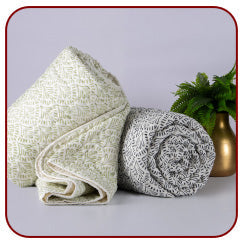
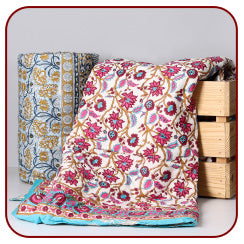
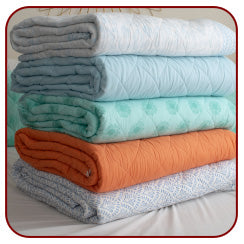
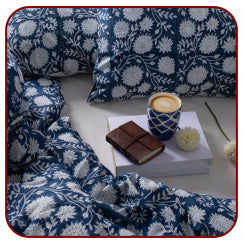
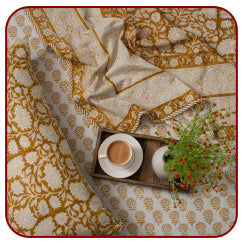
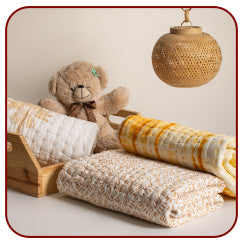
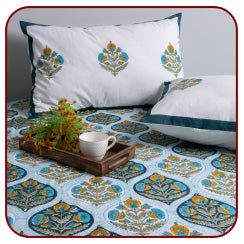
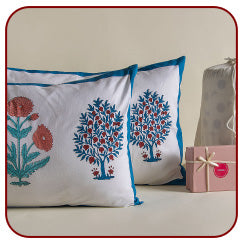
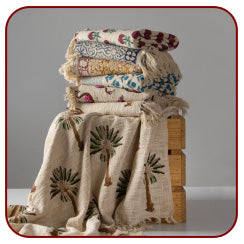
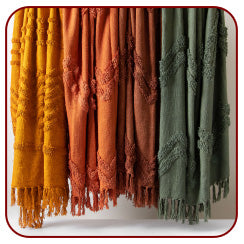

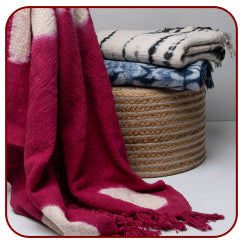
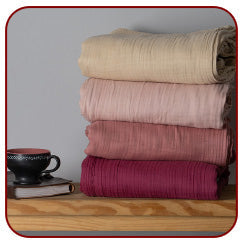
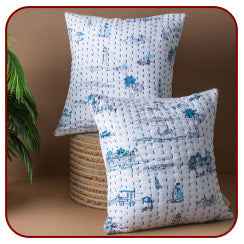
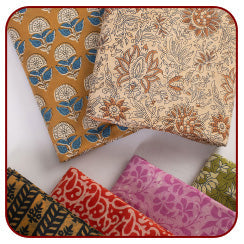
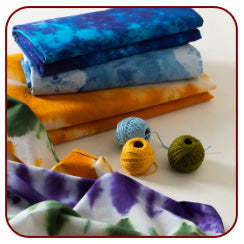
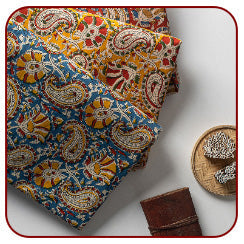
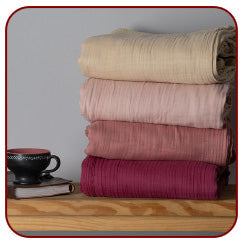
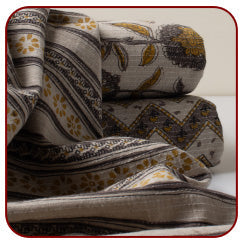
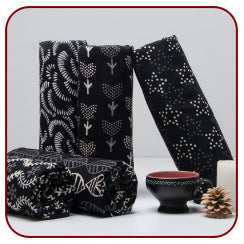
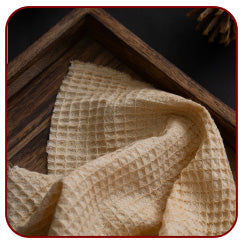
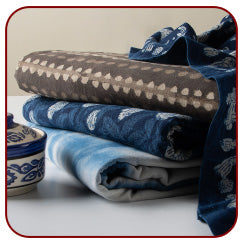
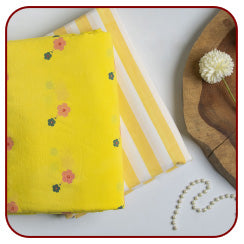
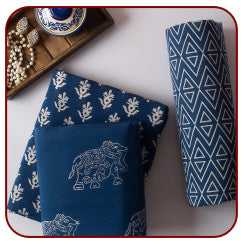


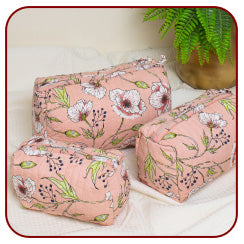
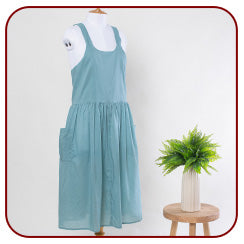
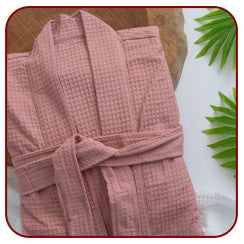
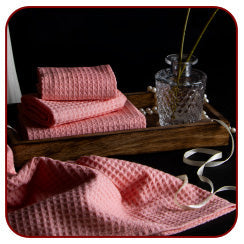

In a life increasingly run by algorithms and the fleeting gleam of a screen, what we truly crave is the substantial. The enduring. The luxurious pleasure of something that carries the signature of effort and skill. That feeling—the warmth of a textile handled by a master—is the essence of woodblock printing. This magnificent traditional art form isn't simply a manufacturing process; it's a profound, beautiful transfer of energy. It’s the meeting point of the artist's eye, the carver's discipline, and the printer's rhythmic touch. This ancient method has shaped world history through images and texts, and today, it finds its most luxurious expression in the breathable, soft embrace of Indian pure cotton—the very heritage we celebrate at dmaasa.
What Is Woodblock Printing?
Let's distill the process. Woodblock printing is a relief printing technique where the design is made prominent by a striking subtraction. An artist renders a motif, and the craftsman then meticulously carves away all the negative space, leaving the intended pattern standing proud. That raised surface is then kissed with ink or dye and pressed onto our cotton; the design emerges as a mirror image. It’s a multi-stage affair, demanding an almost unbelievable amount of patience, especially since every single shade requires its own dedicated, intricately carved block. What you receive is never merely a product; it’s an artifact, rich with texture and carrying those delightful, minute variations—proof of the human hand—that elevate it to genuine handmade printmaking art.
The Ancient Origins of Woodblock Printing

To discuss the history of woodblock printing is to open the world’s most fascinating library. The foundational idea—using a prepared surface to stamp an image—is one of our most fundamental ancient printing methods.
Early Woodblock Printing in China and Buddhist Texts
The cradle of this sophistication lies with the Chinese. While evidence of woodblock printing on textiles stretches back to antiquity, it was its application to paper that marked a turning point for civilization. By the 7th century AD, under the Tang Dynasty, the technique was robust. Imagine the tireless dedication: the world’s oldest known, complete printed book, the Diamond Sutra from 868 AD, still exists. The early and fervent push came from the Buddhist faith; disseminating sacred wisdom was considered an act of high merit, which rapidly entrenched woodblock printing history as an essential tool for knowledge sharing.
The Rise of Japanese Ukiyo-e Prints
While China gave the world the technique for scholarship, Japan, during its Edo period, gifted us the art. The Japanese woodblock printing art known as Ukiyo-e woodblock prints—"pictures of the floating world"—captured the era's ephemeral glamour. This wasn't merely reproduction; it was poetry in print. The innovation that truly dazzled was nishiki-e, or full-colour printing. This feat required the flawless registration—the precise alignment—of up to twenty individual blocks for one image. This stunning accomplishment transformed printmaking techniques into an international art sensation.
How Woodblock Printing Spread Across Cultures

The journey of woodblock printing history is a map of global trade and cultural exchange. In India, the traditional woodblock printing techniques evolved into their own glorious universe. Techniques like Sanganeri and Bagru, perfected in Rajasthan, transformed humble cotton into textiles of complex, flowing design. The resulting aesthetic vocabulary is entirely unique, eloquently showing how woodblock printing evolved over time. From Asia, via trade routes and travellers' trunks, this sophisticated technique influenced global art and design, proving its universal power.
Traditional Woodblock Printing Techniques Explained
The sheer gorgeousness of a block print is born from this slow, deliberate sequence of printmaking steps. It's a conversation between human skill and natural material.
Step 1 – Designing the Print: From Sketch to Outline
The process begins with an idea. The artist sketches the motif, and if it's a multi-coloured print, they must meticulously separate the design into layers for the different shades. For our textiles, the finished drawing is transferred to the wood by the tarkash (block maker), ready for transformation.
Step 2 – Carving the Woodblock: Tools and Skills
This is the forge of the craft. The carving techniques are learned over decades. Using specialized chisels and gouges, the carver carefully removes the non-printing areas. The resulting block is a work of sculpture in reverse—the design is left in bold relief. For a typical print, a set of these blocks is carved, one for each tone, each needing flawless alignment to the others.
Step 3 – Inking and Printing: Bringing the Artwork to Life
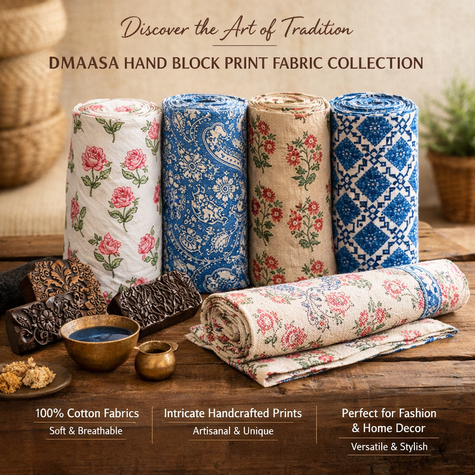
The final act belongs to the chhipa (printer). In Indian block printing, the craftsman applies the dye from a tray (saj), then, with a controlled, firm pressure, stamps the block onto the stretched fabric. The movement is rhythmic, almost hypnotic, repeated hundreds of times across a length of cloth, colour by colour and block by block. This slow layering, in stark contrast to high-speed automation, beautifully highlights traditional vs modern printmaking techniques.
Famous Artists Who Defined the Art of Woodblock Printing
The legacy of this art form rests on the shoulders of giants whose work is recognised the world over.
Katsushika Hokusai – The Wave That Shaped Art History
The conversation inevitably turns to Katsushika Hokusai (1760-1849). His name is synonymous with the dramatic dynamism of the natural world. His masterpiece, The Great Wave off Kanagawa, from the Thirty-six Views of Mount Fuji series, is a cultural icon. Hokusai art demonstrated a masterful blend of traditional graphic sensibility with a newly discovered Western perspective.
Ando Hiroshige – Master of Landscape and Atmosphere
Hokusai’s peer, Ando Hiroshige (1797–1858), focused on atmosphere and emotion. His The Fifty-three Stations of the Tōkaido perfectly captured the poetic beauty of the traveler's life, the feel of mist, and the changing seasons. The brilliance of both Hokusai and Hiroshige prints would eventually spark the Japonisme movement, fundamentally shifting European art.
Contemporary Woodblock Artists Keeping the Tradition Alive
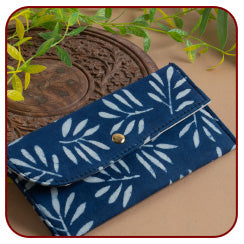
The tradition endures through the hands of the master artisan families, particularly in India. Their skill ensures that the ancient methods continue to produce sophisticated pieces today. Their dedication to printing on our quality pure cotton, voile cotton, muslin cotton, and slub cotton is a vibrant continuation of this legacy.
The Modern Revival of Woodblock Printing

In a digital age where speed rules, the value of the patient, handmade item has never been higher. The woodblock printing revival is driven by a desire for authenticity.
How Digital Artists Are Reimagining Woodblock Aesthetics
It’s telling that even digital design takes cues from this craft. Contemporary printmaking designers often seek to replicate the texture—the subtle, visible grain of the wood, the slightly imperfect edge of the ink—in their digital illustrations. This intentional aesthetic choice, blending the strong graphic lines of Ukiyo-e with digital fluidity, proves the design's timeless power.
Eco-Friendly and Sustainable Printing Practices in 2026
The contemporary focus on conscious consumption finds a perfect partner in block printing. This inherently slower, artisan-centric process is generally kinder than industrial equivalents. Our commitment to fine cotton from bedsheets to dohar blankets aligns with this demand for natural, breathable luxury. It's a method that prioritizes skill and local resourcefulness, making it a leading example of sustainable art trends.
Why Young Artists Are Returning to Handmade Printmaking
There's a strong pull away from the ephemeral nature of the screen. Young artists are seeking tangible, tactile fulfilment. Woodblock printing offers a direct, grounded experience: the heft of the wood, the quiet concentration of the carving, the rewarding reveal of the print. This movement toward handmade printmaking art is a global phenomenon—a vote for the unique, the lasting, and the truly luxurious over the mass-produced.
Why Woodblock Printing Still Matters Today
Woodblock printing is not a mere relic; it's a vital, living language. It transforms textiles into expressions of culture, driving the ongoing traditional art revival.
Styling Woodblock Printed Cotton from Dmaasa.
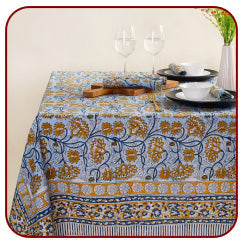
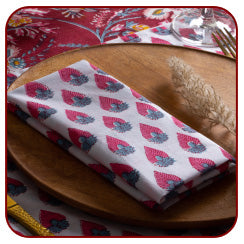
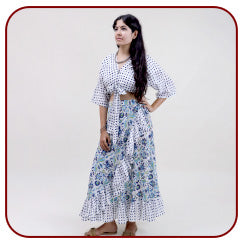
The intrinsic artistic merit of a block print provides an effortlessly sophisticated anchor for any space or wardrobe. Our curated pieces, made from exquisite cotton, voile cotton, slub cotton, and muslin cotton, offer a wealth of styling opportunities:
For the Home: A Layered Sanctuary
Bedsheets & Duvet Covers (Single, Queen, King): Start with a focal point—a dramatic block print duvet cover—and soften it with a solid bedsheet. Layering is the secret to luxury: contrast patterns on cushion covers and pillow covers for a curated, collected feel.
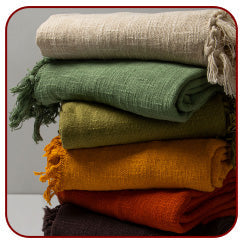
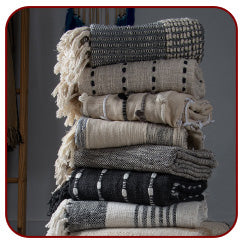
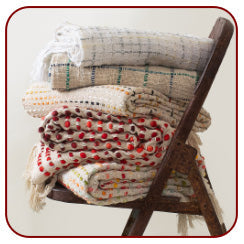
Dohar Blankets: Our exceptionally soft dohar blankets are ideal draped as a textural accent. Choose a subtle paisley or a bold geometric design to instantly elevate your decor.
Cushion & Pillow Covers: Mix the patterns in scale and colour for visual interest. A sophisticated blend of prints tells a story of global taste.
For the Wardrobe: Effortless, Artistic Flair
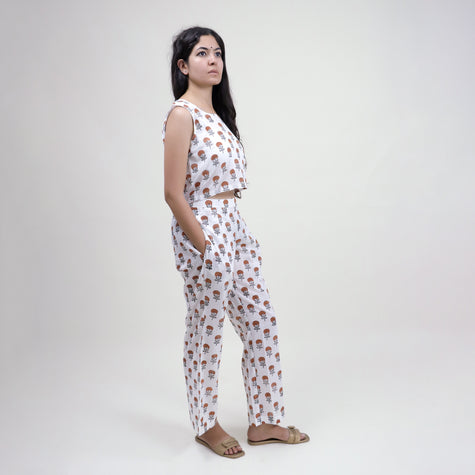
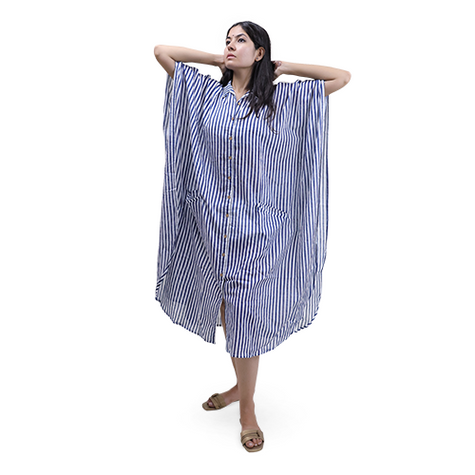
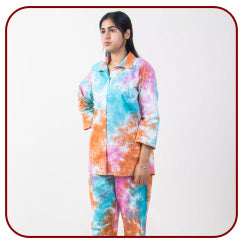
Co-ord Sets & Pant Top Sets: The fluid lines of our cotton separates, adorned with timeless prints, require minimal effort for maximum impact. Wear a printed coord set or pant top set and let the artistry of the modern woodblock printing be your primary accessory.
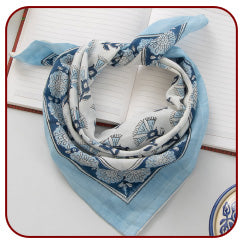
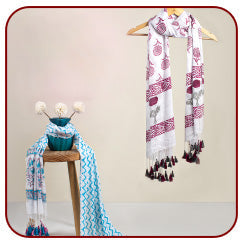
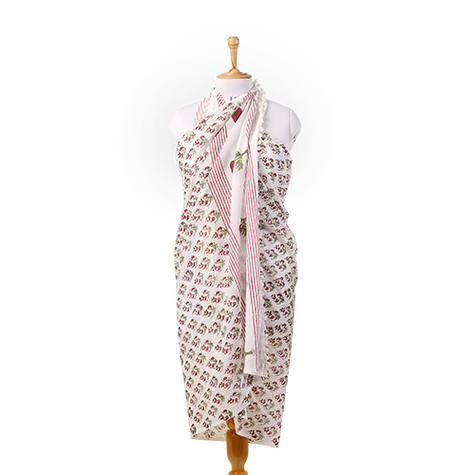
Scarves, Stoles, and Bandanas: These small pieces are perfect for introducing bold pattern. Drape a printed stole over a neutral suit or wear a patterned bandana to add an unexpected, global twist.
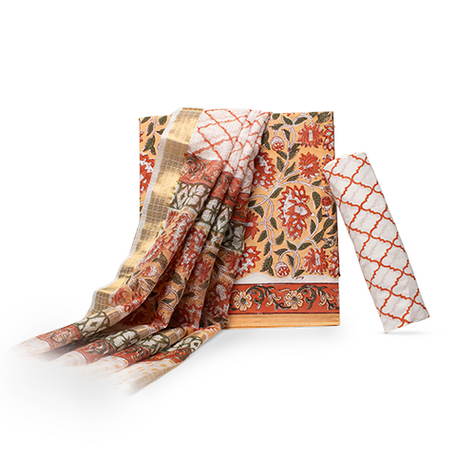
Suit Material: For truly individual style, use our suit material for a bespoke item—a tailored kurta or a contemporary jacket—where the soft, hand-printed cotton speaks volumes about your refined taste.
The tiny, delightful imperfections you find in the print are not flaws; they are the inimitable signature of the artisan, the proof of its creation by a human hand, defining its bespoke, high-end appeal.
How to Get Started with Woodblock Printing at Home
If you're inspired to try this noble craft, beginner woodblock printing is an accessible passion.
Essentials for DIY Printmaking:
Block Material: Linoleum blocks are often recommended as an easier start than wood.
Carving Tools: A simple set of lino or wood carving gouges.
Ink: Water-soluble ink is the easiest for cleanup.
Paper/Fabric: Start with smooth paper or basic cotton muslin.
Baren/Spoon: Used to apply the necessary pressure.
Start simply. Carve slowly, letting the process become meditative. That first print, pulled from the block and carrying the authentic mark of your hand, is a powerful moment of printmaking inspiration.
Final Thoughts: Preserving the Soul of Woodblock Art in a Digital Age
Woodblock printing is a magnificent thread in the tapestry of human history. From ancient spiritual texts to the gorgeous cotton products we enjoy today, the story of the history and techniques of woodblock printing is one of enduring, sophisticated craft. When you choose a hand-block-printed piece, you are not merely making a purchase; you are becoming a custodian of a living art. You are honouring the generations of skill behind the wood, the colour, and the tradition. Let us continue to celebrate and protect this beautiful, soul-enriching art form.
Frequently Asked Questions (FAQs)
What is woodblock printing?
Woodblock printing is a sophisticated relief printing technique where a design is carved into a wooden block, inked, and then pressed onto paper or fabric. It is a foundational printmaking technique.
When and where did woodblock printing begin?
It originated in China. Woodblock printing history stretches back to antiquity, with its widespread use on paper beginning by the 7th century AD.
What are the key techniques used in traditional woodblock printing?
The key techniques involve: 1. Careful design. 2. Skilled carving techniques to create the relief. 3. Registration, the precise alignment of multiple colour blocks.
Who are the most famous woodblock printing artists?
The most famous are the Japanese Ukiyo-e masters, particularly Katsushika Hokusai and Ando Hiroshige.
Can beginners learn woodblock printing easily?
The basic process is very accessible, making it an excellent activity for art education. While true mastery takes years, the initial joy of creating your own print is immediate.
Why is woodblock printing still important today?
It is important as a sustainable, handmade art form that preserves cultural heritage. Its unique, human-crafted aesthetic is highly valued in the contemporary luxury market as a true traditional craft.
Also Read: Why Sanganeri Print Fabrics Are Ideal for Comfortable, Everyday Wear | 10 Traditional Indian Prints That Never Go Out of Style | How to Choose the Right Fabric for Your Clothing Brand in 2026 | Indian Print Fabrics: From Runways to Everyday Wear |