


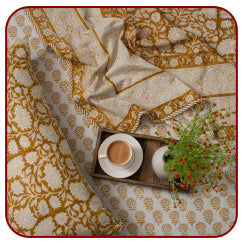
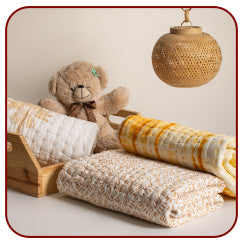
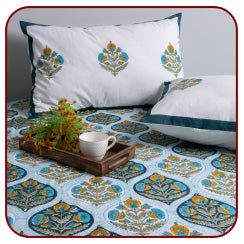
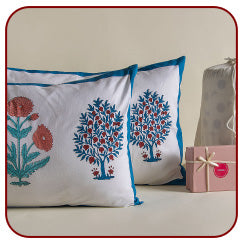
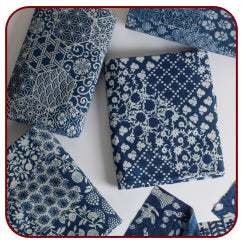
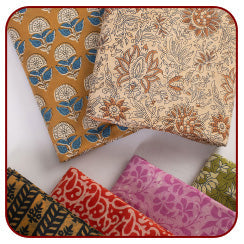
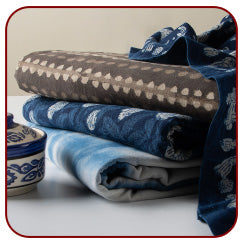
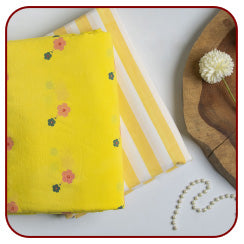
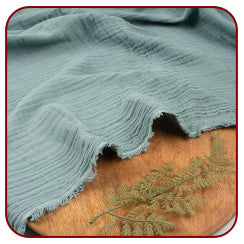
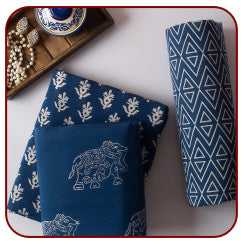
The air in my Jaipur workshop today is thick. It smells of wet mud and the sharp, metallic tang of indigo vats drying under a white-hot sun. It’s a sensory overload that most designers missing from their air-conditioned offices in Mumbai or Delhi never quite grasp. I’ve seen countless young entrepreneurs walk through these arched doorways, their tablets full of mood boards, yet they’ve forgotten the most basic thing: the skin. In 2026, we’ve moved past the "throwaway" era. People aren't just buying a silhouette; they are buying a feeling. If your cloth doesn't breathe with the wearer, you aren't selling fashion, you're just selling landfill.
Why Fabric Choice Matters in 2026

It’s simple, really. Rarely is the choice so clear: you either lean into the "tactile revolution" or your brand dies in a clearance bin. By 2026, the global consumer has developed a sixth sense for plastic. They can feel the presence of polyester from across a room.
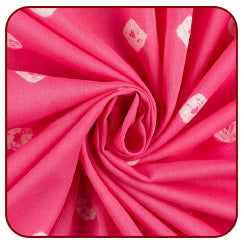
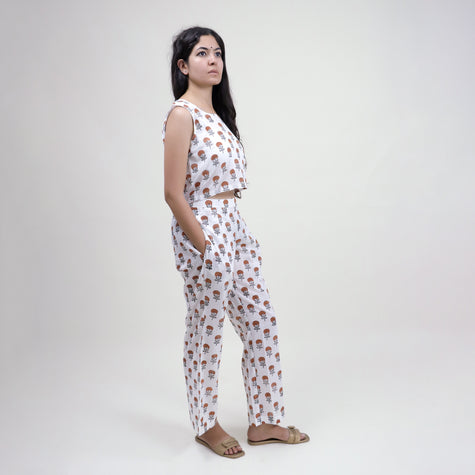
I firmly believe that a brand’s reputation lives in the "hand-feel" of its textiles. When someone touches a Dmaasa coord set, that initial cool, slightly textured contact with high-grade cotton does more work than any marketing campaign ever could. Fabric isn't just a medium for your print; it’s the physical integrity of your business. If the cloth fails after two washes, your brand is a ghost.
Key Factors to Consider When Choosing Fabric
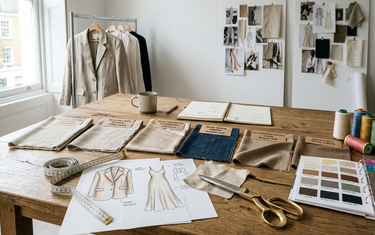
Don't look at a price sheet first. Look at the weave. Here is what actually matters when you're standing in a warehouse full of swatches:
The Breathability Quotient: In 2026, comfort is the ultimate luxury. We look for fabrics that allow heat to escape. If you can’t see a pinprick of light through the weave when held up to the Jaipur sun, it’s probably going to be a swamp for the wearer.
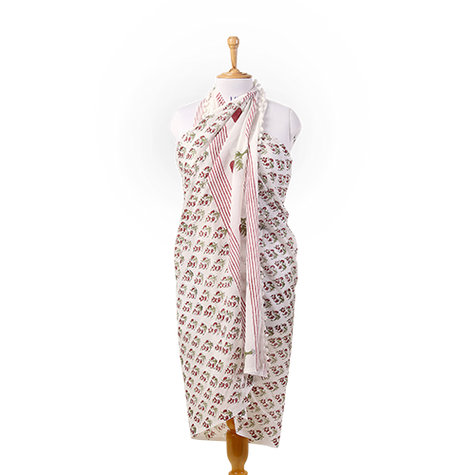
The GSM Balance: A dohar blanket needs that specific, weighted hug, while a scarf or stole should feel like it might just float away if you let go. Grams per square metre (GSM) isn't just a number; it’s the "gravity" of your garment.
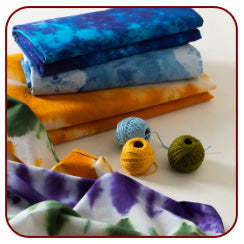
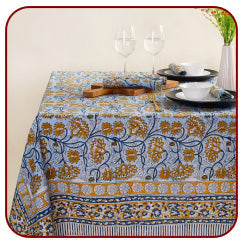
Living Dyes: I’ve always found natural dyes to be more honest. They have a depth that chemical pigments can’t touch. They age. They evolve. They tell a story on the cloth that feels human.
Fiber Resilience: We prioritise long-staple cotton for a reason. It doesn't "pill" or get those annoying little bobbles. A bedsheet should get softer every time it hits the water, not thinner.
Comparison Table
|
Material |
The Temperament |
Ideal For |
The Sensation |
|
Cambric Cotton |
Crisp, sturdy |
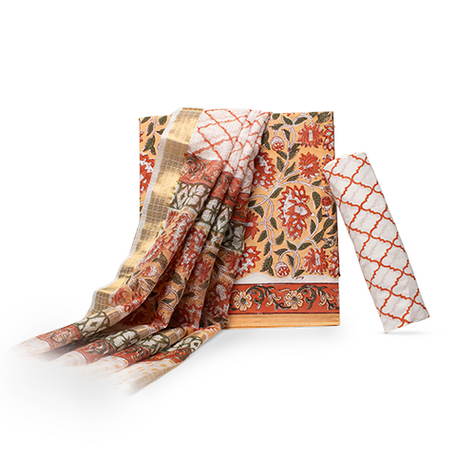
Coord sets, Suit material |
Like fresh, cold water |
|
Hand-loomed Mulmul |
Ethereal, light |
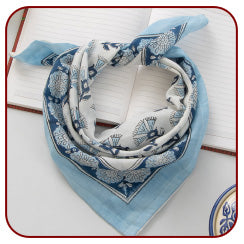
Scarves, Stoles, Bandanas |
A soft cloud against the neck |
|
Heavy-weight Sheeting |
Deep, reliable |
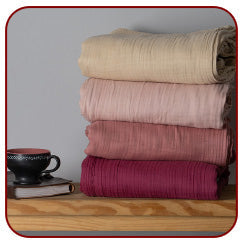
Bedsheets, Duvet covers |
A safe, grounded embrace |
|
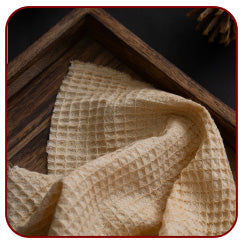
Triple-layered Gauze |
Textured, warm |
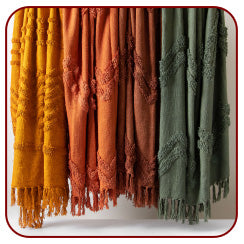
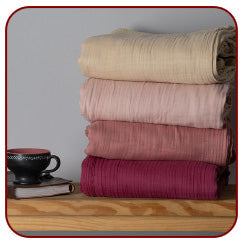
Dohar blankets, Throws |
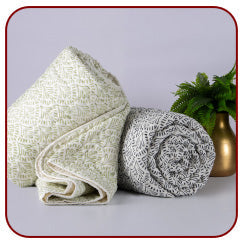
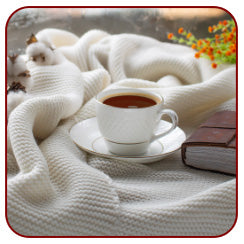
A gentle, breathable hug |
Best Fabrics for Different Clothing Categories

When building a collection, you have to think about the ritual of use.
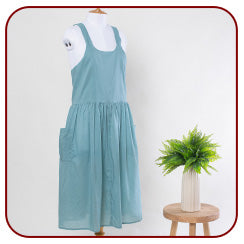
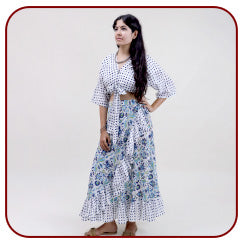
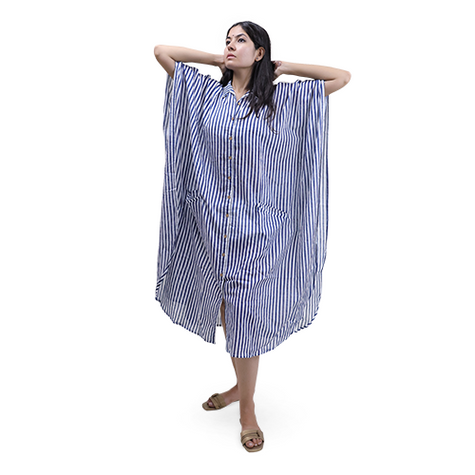
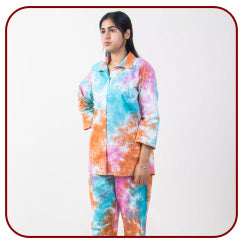
For Apparel, the 2026 trend is "Refined Ease". Our coord sets and pant top sets are designed for people who move. You need a fabric that can handle a 10-hour day without looking like a crumpled napkin. We use mid-weight cottons that have enough "body" to look sharp but enough "give" to remain comfortable.
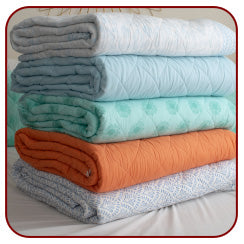
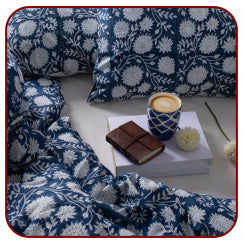
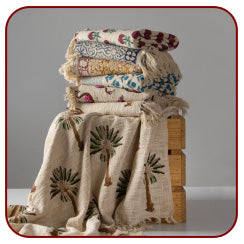
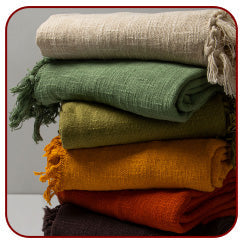
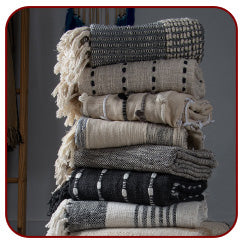
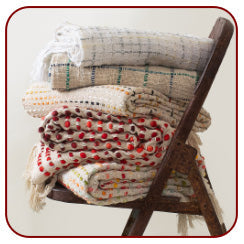
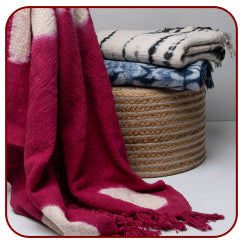
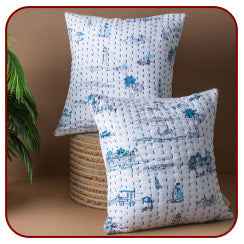
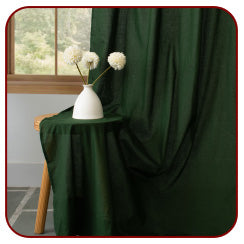
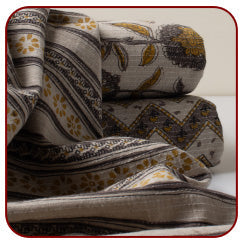
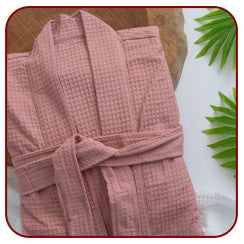
In the Home space, the fabric is your sanctuary. A bedsheet or pillow cover is an intimate choice. We use high-thread-count cotton because it stays cool against the skin. For cushion covers and throws, we often go for more rugged, hand-woven textures that give a room a sense of "place".
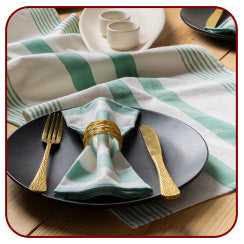
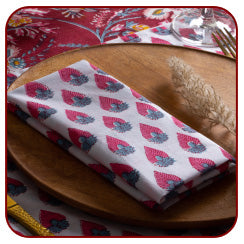
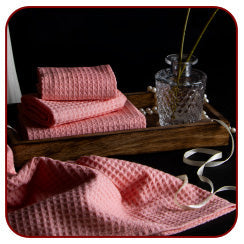
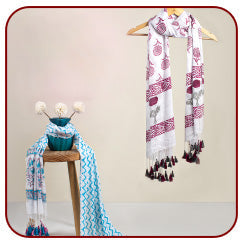
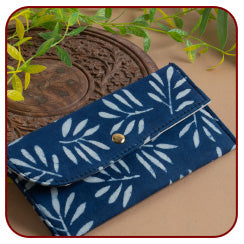
Accessories, your bandanas and napkins, are the "spice" of your brand. They are small, but they carry the weight of your quality. A scratchy stole can ruin a customer's trust in seconds.
Why Choose DMAASA for Your Fabric Sourcing
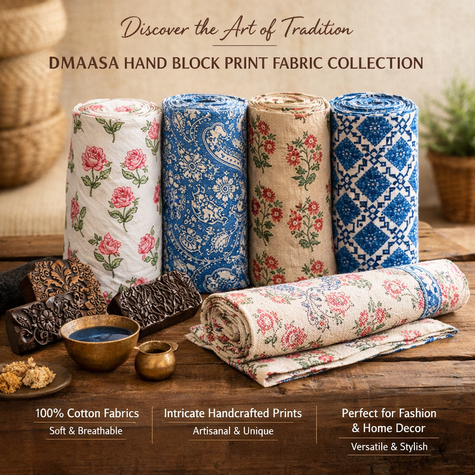
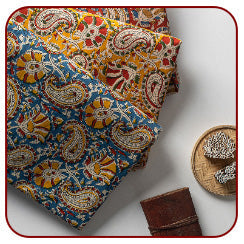
We don't do "mass production". That's a soul-crushing term. At Dmaasa, we do curation. My team and I are keepers of a very old, very slow rhythm. We wait for the sun to dry the prints. We let the river water set the dyes.
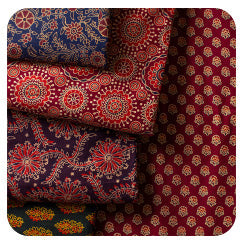
Whether you need bulk fabrics for a new startup or finished apparel that carries the thumbprint of an artisan, we provide the "un-digital" perfection that 2026 craves. Our suit material and textiles aren't just products; they are pieces of Jaipur’s heritage, cut and sewn for a modern world.
Final Thoughts
In the end, choosing fabric is an act of kindness toward your customer. In a world of synthetic noise, be the brand that offers the quiet, cool relief of natural fibre. The brands that will be around in 2030 are the ones making these hard, tactile choices today. Make it natural. Make it honest.
FAQ
How do I choose the right fabric for my clothing brand?
Stop looking and start feeling. Order swatches. Wash them five times. See how they shrink. If a fabric doesn't make you want to wrap yourself in it immediately, don't put your label on it.
What is the best fabric for summer clothing brands?
Linen and open-weave cottons are non-negotiable. For a luxury touch, our fine mulmul is unrivalled for summer; it’s essentially wearable air.
Why is sustainable fabric important in 2026?
The "green-washing" of the 2020s is over. Customers now demand proof of ethical labour and low-impact dyes. Sustainable fabric is no longer a marketing angle; it's a survival requirement.
Is cotton better than linen?
Cotton is your "everyday" hero – reliable and easy. Linen is your "statement" piece – prestigious and cool, but high-maintenance. For coord sets, a blend of the two often provides the perfect balance.
Why choose DMAASA for fabric sourcing?
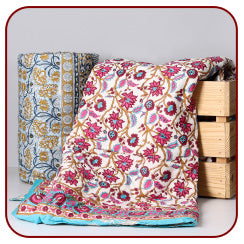
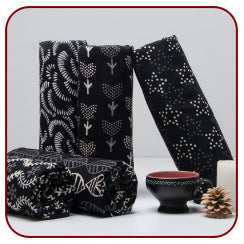
We offer a bridge. We take the raw, ancient craft of block printing and refine it for the global stage. You get the soul of a hand-made product with the quality control of a premium brand.
Can fabric choice impact brand success?
It is the only thing that creates repeat customers. You can trick someone with a good photo once, but you can’t trick their skin twice. Fabric is your most powerful retention tool.