



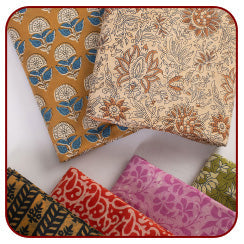
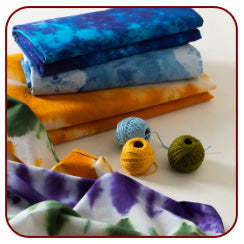
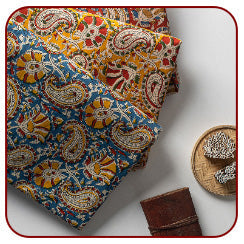
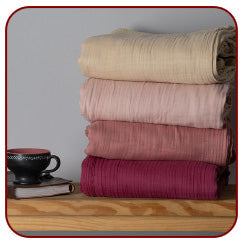
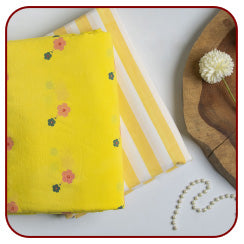
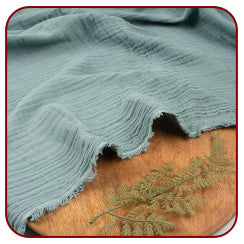
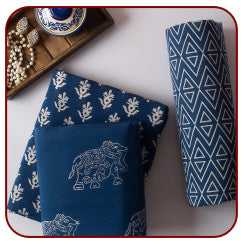
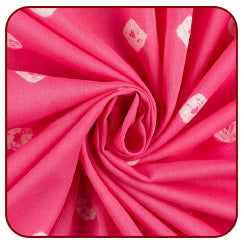

The story of Indian fabrics is not just about threads and patterns; it's a living tale of heritage, artistry, and a quiet sartorial revolution. What were once the exclusive domain of village artisans and royal courts is now having a global moment, commanding attention on high fashion runways and transforming modern living spaces. From the delicate, intricate florals of Sanganer to the bold geometry of Ajrakh, these prints aren't just patterns; they're a legacy of style, meticulously crafted by hand and heart.
A Heritage of Style: The History of Indian Print Fabrics

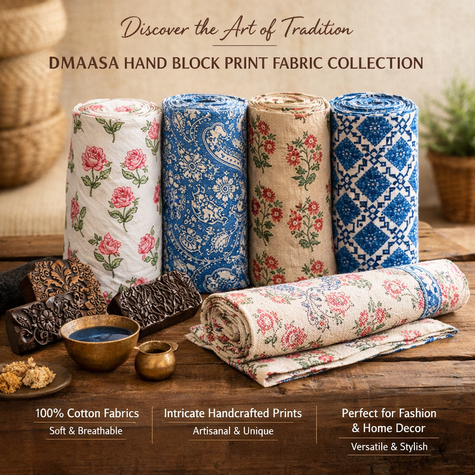
To truly appreciate the allure of Indian prints, one must understand their roots. This isn’t fast fashion; it's a slow, deliberate art form passed down through generations. A prime example is hand block printing, a technique that, according to archaeological evidence, dates back to at least 2500 BCE. Skilled artisans meticulously carve intricate designs onto wooden blocks, then dip them in pigment to press them onto fabric, creating a rhythmic symphony of colour and pattern. Every piece is a testament to the human touch—no two are ever identical, each with its own beautiful imperfections and character.
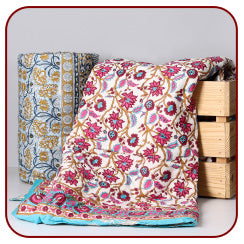
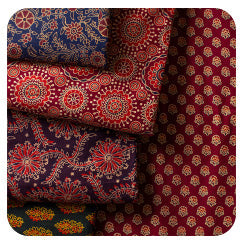
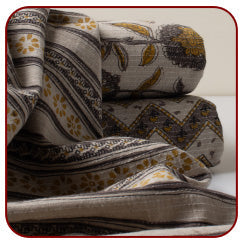
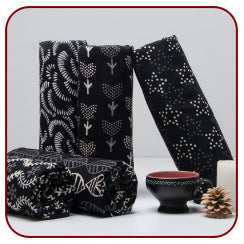
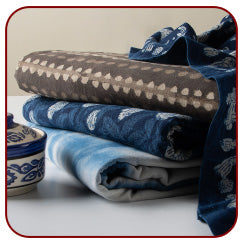
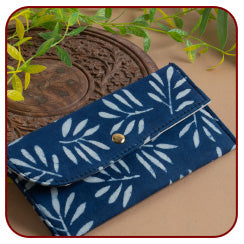
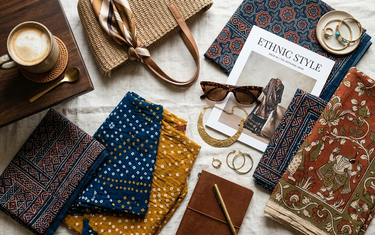
The journey of these prints tells a fascinating story of regional identity. Take the Bagru print, with its deep reds and blacks, which hails from a village near Jaipur, Rajasthan. The distinct shade is created using a complex mud-resist process, a technique that has been perfected over centuries. A mere stone's throw away, the vibrant town of Sanganer gives us Sanganeri print, famous for its delicate floral motifs and fine lines, often featuring intricate borders. Then there's Dabu print, another form of mud resist printing from Rajasthan, which involves a multi-stage process of printing, dyeing, and washing, resulting in a uniquely textured and layered look. The list goes on, from the geometric precision of Ajrakh from Gujarat to the tie-dye brilliance of Bandhani from Rajasthan and Gujarat. Each print carries the identity of its region, a vibrant tapestry of India's diverse culture.
Indian Print Fabrics on the Global Runway
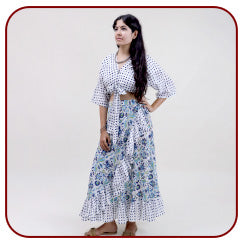
For years, Indian prints were a well-kept secret, but the fashion world has finally caught on. Today, designers from Paris to New York are drawing inspiration from these ancient techniques, marrying them with modern sensibilities. We see hand block prints transforming into flowing maxi dresses, structured blazers, and chic separates. This global embrace is a powerful fusion of Eastern craftsmanship and Western silhouettes, adding an element of handcrafted elegance that stands in stark contrast to mass-produced textiles. The result is a look that is sophisticated, unique, and deeply authentic.
Everyday Fashion with Indian Prints

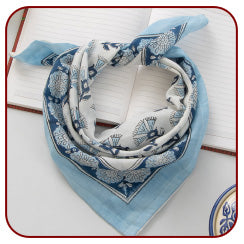
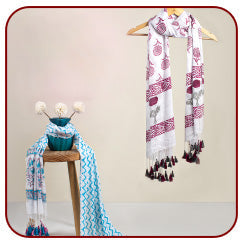
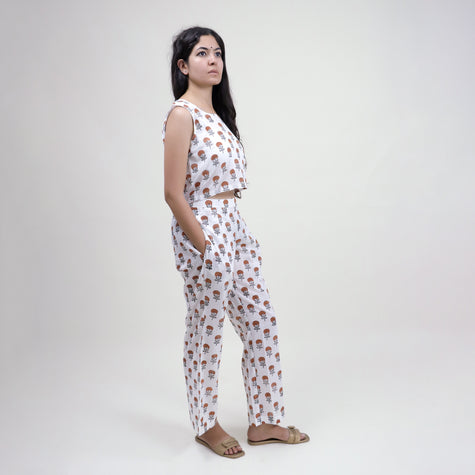
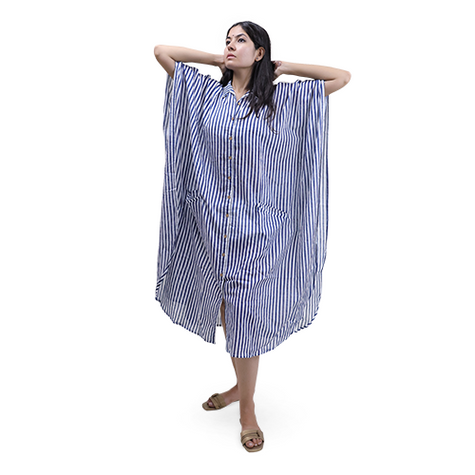
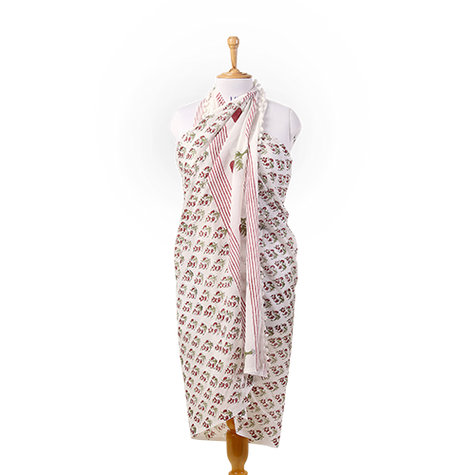
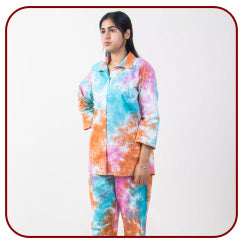
While they might command attention on the runway, the true magic of Indian prints lies in their versatility for everyday wear. They are a way to infuse your wardrobe with personality and a rich story. For a simple yet sophisticated look, a hand block-printed scarf or stole can elevate a basic jeans and top combination. A breezy Bandhani or Dabu print tunic paired with crisp white trousers is perfect for a relaxed yet refined day out. For a more coordinated look, a pant-top set in a vibrant Bagru or Sanganeri print offers effortless chic.
The key to styling is in the mix. A classic Bandhani stole can add a pop of colour to an all-black ensemble, while a floral Jaipur block print skirt can be dressed down with a simple t-shirt. The beauty of these prints is that they work as well for a casual brunch as they do for a special occasion, transitioning seamlessly from day to night.
Indian Print Fabrics in Western Outfits
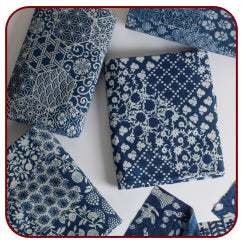
Who says Indian prints are only for traditional wear? The modern fashionista knows they are the secret ingredient to a truly standout Western outfit. Imagine a sleek pair of wide-leg trousers in a subtle Indigo print paired with a solid-coloured top, or a tailored jacket in a bold Ajrakh pattern worn over a simple slip dress. A breezy cotton shirt in a Sanganeri floral print can be worn tucked into high-waisted denim for a playful yet polished look. The result is an outfit that feels curated and unique—a true reflection of personal style that is both global and grounded in tradition.
Sustainable Style: Why Indian Block Prints Are Eco-Friendly
In a world increasingly concerned with sustainability, Indian textiles offer a breath of fresh air. While not all processes are the same, many traditional practices are inherently low-impact. The very nature of hand block printing is slow and mindful, a stark contrast to the high-speed, high-waste machinery of industrial production. Cotton, a breathable and durable natural fibre, is the canvas for these prints, making the final products comfortable and long-lasting. By choosing these textiles, you are not only supporting artisan communities but also making a conscious choice for a more sustainable and ethical wardrobe. It's a style statement that feels good in every sense.
Indian Print Fabrics in Home Decor
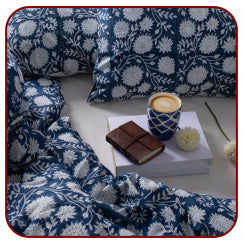
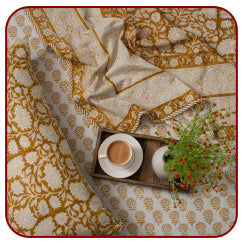
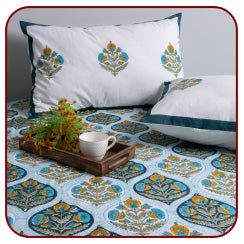
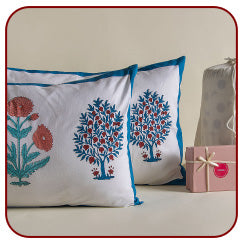
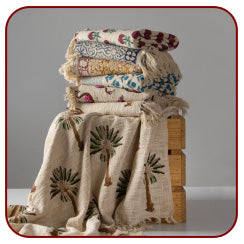
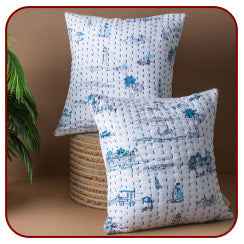
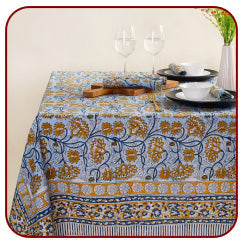
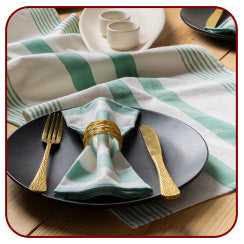
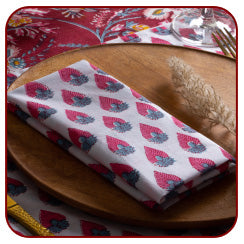
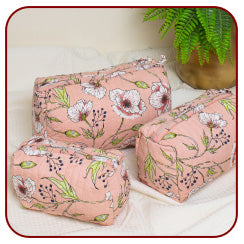
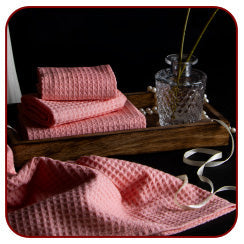
The allure of Indian prints isn't confined to your wardrobe; it's an invitation to bring art into your home. A single hand block printed duvet cover can transform a bedroom into a serene sanctuary. A set of Sanganeri print pillow covers can add a touch of romance and softness to your living room. For a more dramatic statement, a tablecloth or table runner in a bold Bagru or Indigo print can elevate a simple dinner into a memorable experience.
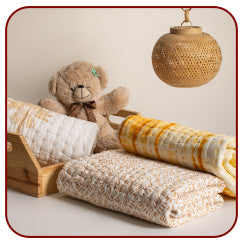
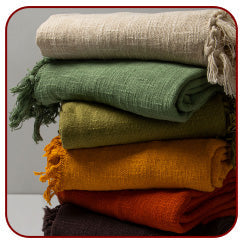
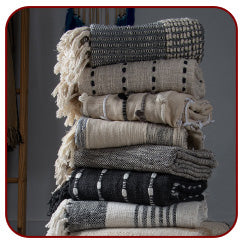
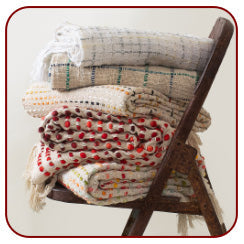
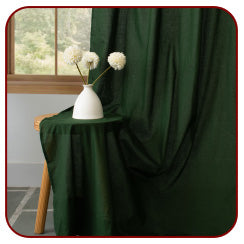
And let's not forget the smaller details. A cozy cotton dohar blanket on your sofa offers both warmth and a splash of visual interest, while cushion covers can be mixed and matched to create a layered, bohemian feel. From bedsheets to curtains, the possibilities are endless, allowing you to curate a space that is both stylish and soulful.
Why Brands Like Dmaasa Are Reviving Indian Prints
Today, brands like Dmaasa are playing a crucial role in bringing these heritage crafts to a global audience. By working directly with artisans, they help preserve skills that might otherwise be lost and ensure a fair exchange. By focusing on pure cotton products and authentic techniques, they bridge the gap between tradition and modernity. They take the timeless elegance of hand block prints and give them a contemporary spin, creating pieces that are not only beautiful but also relevant for the modern world. It's more than just selling a product; it's about sharing a story and celebrating a legacy, one beautiful print at a time.
Conclusion: From Runways to Your Wardrobe
The journey of Indian prints from an ancient craft to a global fashion phenomenon is a testament to their enduring appeal. They offer a luxurious yet accessible way to express your personal style, whether through a statement-making dress or a simple scarf. By choosing these fabrics, you're not just buying a piece of clothing or decor; you're investing in a piece of history, a work of art, and a more conscious way of living. It’s a style statement that's as rich in story as it is in beauty.
FAQ
What are Indian print fabrics?
Indian print fabrics are textiles adorned with intricate patterns, often created using traditional manual techniques like hand block printing, tie-dye, and resist printing. They include iconic styles such as Bagru print, Sanganeri print, Dabu print, and Ajrakh.
Why are Indian print fabrics popular in fashion today?
They are popular because they offer a unique, handcrafted alternative to mass-produced textiles. Their rich history, intricate designs, and vibrant colours appeal to a growing global desire for authentic, sustainable, and artistic fashion that tells a story.
Which Indian prints are most famous worldwide?
Bagru print fabric, Sanganeri print fabric, and Indigo prints are among the most famous. Their distinctive motifs and colours have made them a favourite among international designers and consumers alike.
Where can I buy authentic Indian print fabrics online?
You can find a curated collection of authentic, high-quality Indian prints online at websites like dmaasa.in, which specialises in pure cotton and hand block print fabric.
Are Indian print fabrics sustainable?
Many traditional Indian printing techniques are inherently eco-friendly due to their manual, low-waste processes. When combined with natural fibers like cotton, they offer a more sustainable and ethical choice than synthetic, mass-produced textiles.
How can I style Indian print fabrics in daily wear?
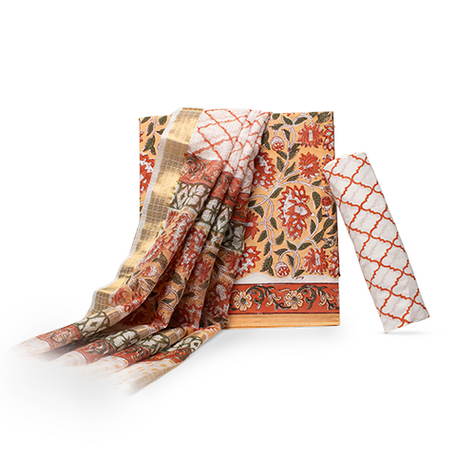
You can style them in countless ways. For a casual look, pair a hand block printed kurta with jeans or leggings. For a more sophisticated outfit, wear a printed suit material tailored to your preference, or simply add a printed scarf or stole to a Western outfit for a pop of colour and elegance.
Also Read: Top 5 Sanganeri Print Fabrics to Gift This Festive Season | Top 10 Hand Block Print Fabrics to Buy Online in India: Discover the Best Choices for Fashion Home Decor | Top 7 Hand Block Print Fabrics You Should Have in Your Wardrobe |