



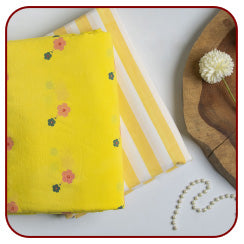
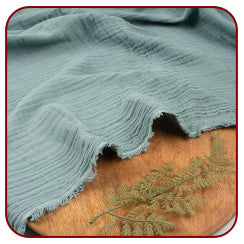
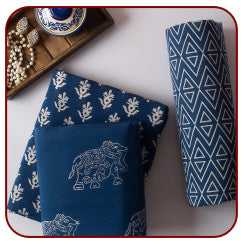
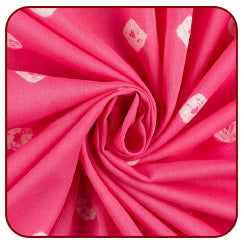


The sun in Jaipur doesn't just shine; it occupies the room. It has a weight to it. When the mercury hits 45°C, you don't just feel the heat, you wear it. I’ve spent years navigating the dust-choked markets of Sanganer and the quiet courtyards of heritage havelis, and I’ve learned one absolute truth: if your clothes don't let the air move, you aren't really living; you're just enduring.
At DMAASA, we’ve always felt that summer shouldn’t be a season of endurance. It should be a season of flow. That is why we obsess over the "breath" of a fabric.
The Science of Staying Cool

Why do we make such a fuss about the DMAASA summer collection fabrics? It’s quite simple, really. Most modern, mass-produced clothes are basically woven plastic. Polyester and nylon act like a greenhouse, trapping your body heat and the salt from your sweat against your skin. It’s a recipe for a bad mood.
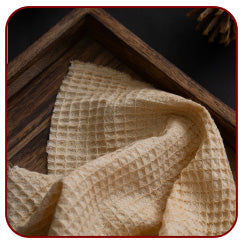
In contrast, our natural fabrics for summer fashion, the cottons and linens we swear by are full of tiny, invisible pathways. Think of them as the fabric’s own set of lungs. When you pull on one of our skin-friendly summer fabrics, you aren't sealing yourself off. You're staying connected to the breeze. This is why breathable fabrics are important in summer; they facilitate a constant exchange, letting your skin radiate heat away rather than marinating in it.
The Craft Behind the Comfort

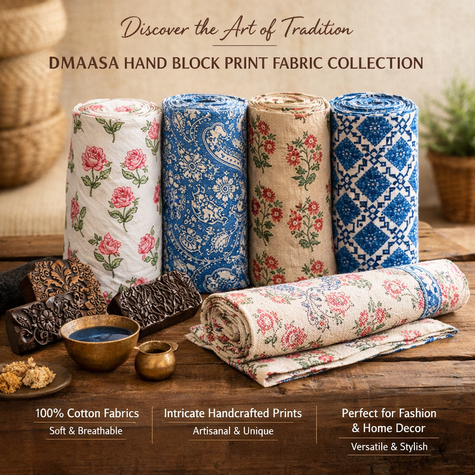
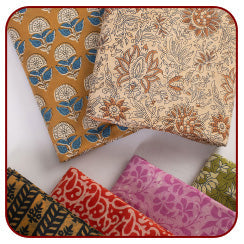
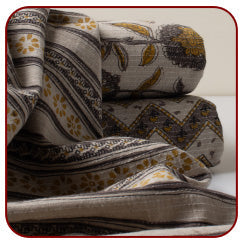
The secret to DMAASA clothing summer materials isn't just the fiber; it’s the heritage of the weave. We lean into the "Malmal" legacy, a cotton so fine it was once described as "woven wind."
- Long-Staple Cotton: We choose fibers that are naturally longer. This isn't just a technicality. Longer fibers mean the yarn is smoother with fewer prickly ends. It’s the difference between a fabric that scratches and one that feels like a cool palm against your cheek.
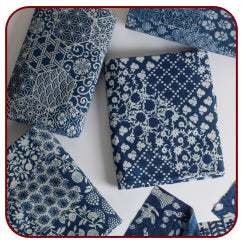
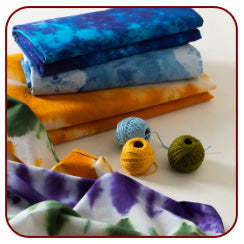
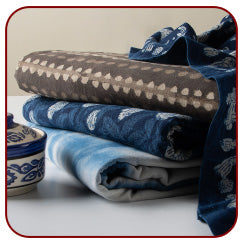
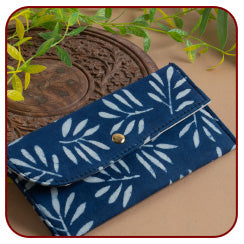
- The Power of Indigo: Many of our breathable clothing materials are dyed with natural indigo. I’ve always found it fascinating that indigo actually feels cooler to the touch. It’s a grounding, earthy pigment that resists the harshness of the glare.
- The Softening: Every yard of our fabric is beaten and washed in local waters until the industrial stiffness vanishes. We want it to feel like it’s been yours for a decade the moment you first touch it.
Living in Cotton: Smart Ways to Use These Fabrics

I believe the "cool touch" should follow you from your morning coffee to your midnight sleep. It isn't just about what you wear to the office; it's about how you surround yourself. The DMAASA summer fashion collection is designed to be a total ecosystem for a hot climate.
Here is how we integrate these comfortable summer fashion fabrics into a functional lifestyle:
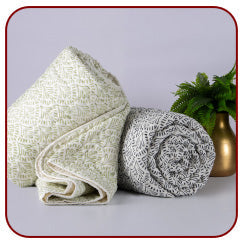
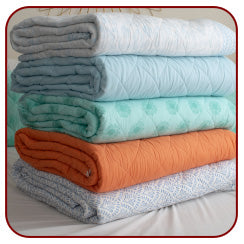
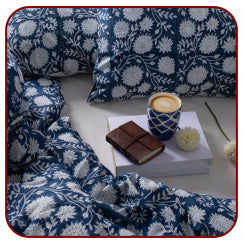
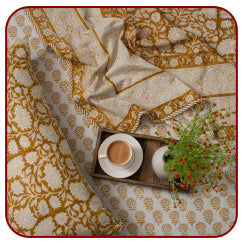
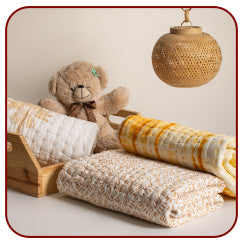
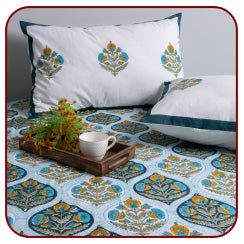
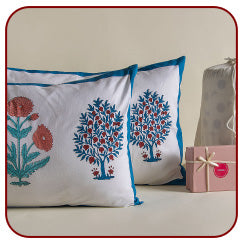
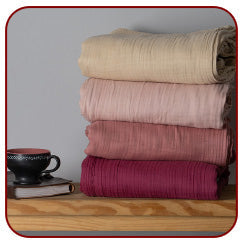
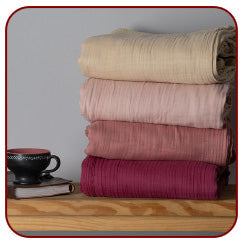
- The Sleep Sanctuary: If the air is heavy, sleeping under a synthetic sheet is a nightmare. We use our highest-grade cotton for bedsheets, duvet covers, and pillow covers. I personally believe a dohar blanket—that classic triple-layered gauze—is the only way to survive a humid July night. It’s light enough to forget, yet substantial enough to comfort.
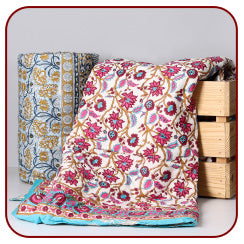
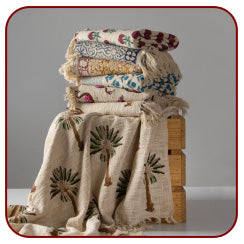
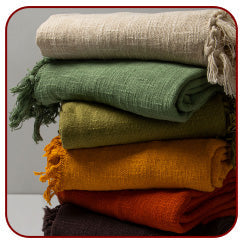
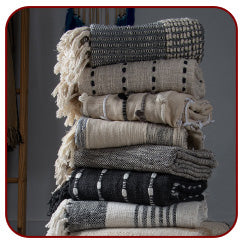
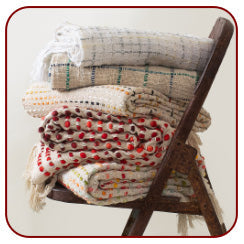
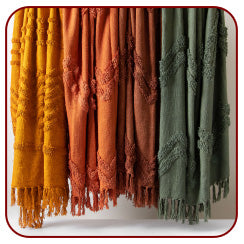
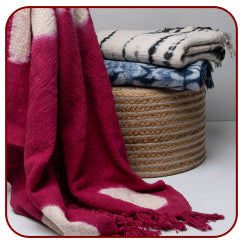
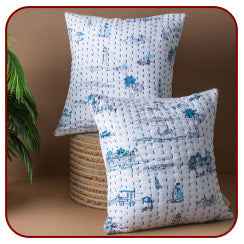
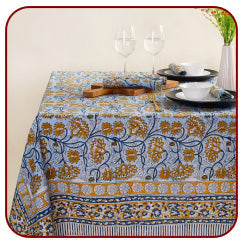
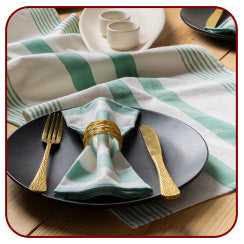
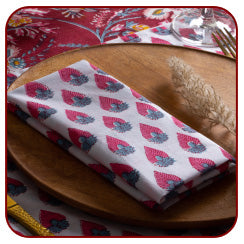
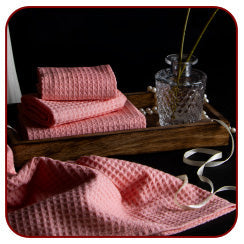
- The Breathable Home: In the living room, we use the same logic for cushion covers and throws. No one wants to peel themselves off a sofa in the heat. Even a linen napkin in the dining area serves a purpose—absorbing condensation from a cold glass instantly, thanks to the moisture-wicking fabrics for summer we prioritise.
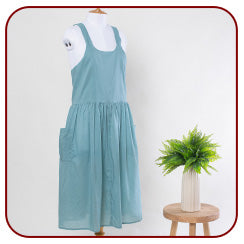
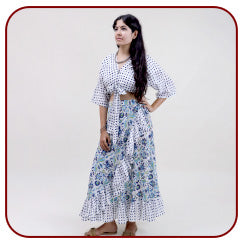
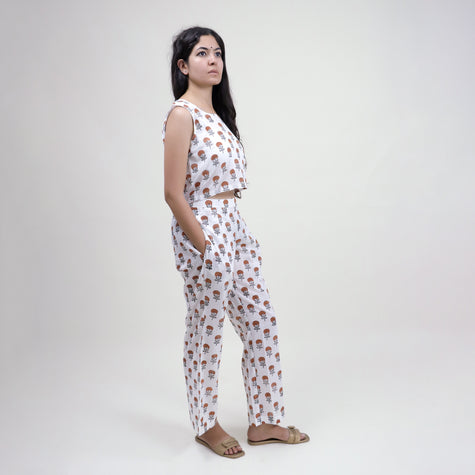
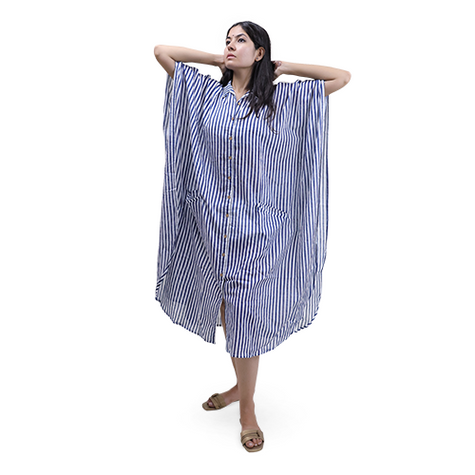
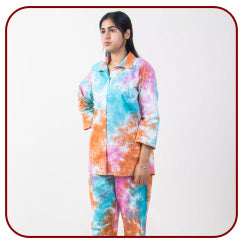
- The Fluid Wardrobe: Our apparel focuses on the architecture of air. Co-ord sets and pant-top sets are tailored to stay away from the body, creating a micro-climate between you and the textile.
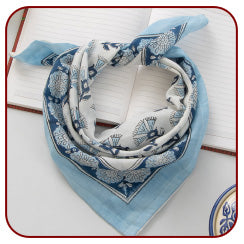
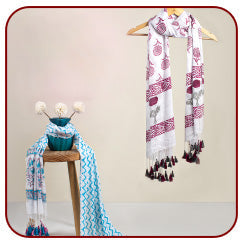
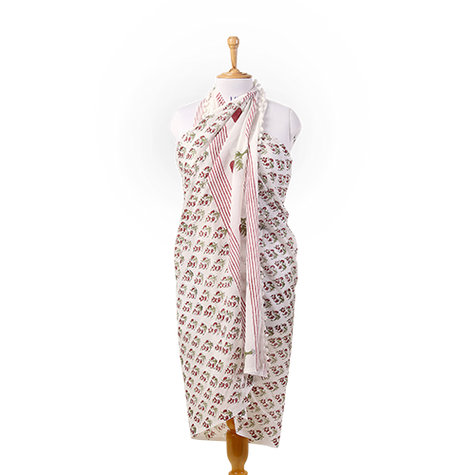
- Tactile Protection: Don’t underestimate the utility of the "small" pieces. A scarf, stole, or bandana isn't just an accessory; it's a shield. Tying a damp cotton bandana around your pulse points or draping a stole over your shoulders can drop your perceived temperature by several degrees.
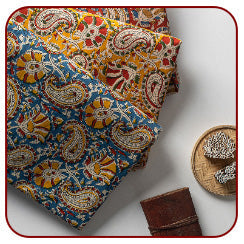
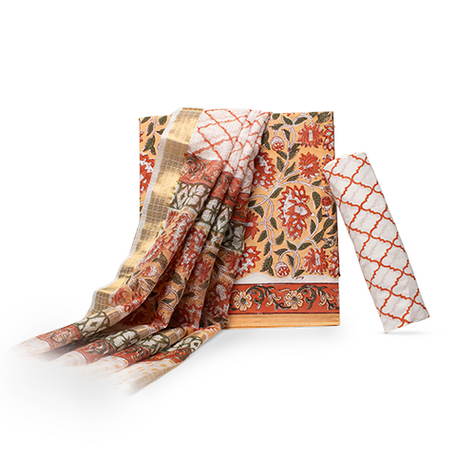
- The Tailor’s Choice: For those who enjoy the ritual of a custom fit, our suit material and fabrics remain our heart and soul. They give you the raw ingredients to build a summer wardrobe that is uniquely yours.
How to Style for the Heat
Wearing DMAASA lightweight summer outfits is an art of layering without the bulk. I always tell people to look for the "shimmer" of the fabric in the wind.
- The Floating Layer: Throw a sheer stole over a basic pant top set. That layer of air between the two pieces acts as a natural insulator.
- Wide Silhouettes: Our co-ord sets often feature wider legs. This isn't just a trend; it’s a pump. As you walk, the fabric pushes air up and around your legs.
- The Indigo Accent: Pair a dark indigo bandana with lighter whites. It’s a visual and physical relief.
Cotton vs. Synthetics: The Reality
|
Feature |
DMAASA Natural Cotton |
Polyester/Synthetics |
|
Airflow |
High (It breathes with you) |
Minimal (Like wearing a bag) |
|
Sweat Management |
Wicks and dries quickly |
Pools on the skin |
|
Longevity |
Gets softer with age |
Gets slick or pills quickly |
|
Sun Protection |
Natural fibers deflect heat |
Absorbs and holds heat |
My Final Thought
True luxury isn't a gold thread or a fancy label. In the middle of a desert summer, luxury is a fabric that doesn't demand your attention. What fabrics keep you cool in hot weather is a question that leads straight back to the earth. When you choose DMAASA breathable fabric clothing, you’re choosing a bit of sanity.
The sun is going to be brutal. Your clothes should be your relief.
FAQ
Why does DMAASA use breathable fabrics for summer collections?
Honestly, it’s about survival. We live in a place where the heat can be stifling, and synthetic clothes feel like wearing plastic wrap. We use breathable fabrics because they let the skin vent, making the difference between being miserable and being at ease.
What fabrics are commonly used in DMAASA summer collections?
We stick to the classics that have worked for centuries. You’ll find a lot of high-grade cotton, the legendary Mulmul (very light and airy), and linens. These are all plant-based fibers that don't fight against your body’s natural cooling.
Why are breathable fabrics important in summer fashion?
If a fabric doesn't breathe, it traps moisture. That leads to that sticky, "clingy" feeling we all hate. Breathable fabrics allow your sweat to evaporate and the breeze to reach your skin, which is the only way your body can actually cool itself down.
Are natural fabrics better for summer clothing?
Every single time. Natural fibers are porous by nature. Synthetics are engineered from chemicals and plastics, so they don’t have those tiny gaps for air. If you want to stay cool, there really is no substitute for cotton or linen.
How do breathable fabrics improve comfort in hot weather?
They keep you dry and keep the air moving. Instead of heat building up between your skin and your shirt, it escapes. It’s that simple feeling of a "cool touch" rather than feeling like you're carrying a personal sauna around.
Also Read: The Best Summer Fabrics You’ll Find in DMAASA Collections | Top Summer Fabrics That Feel Soft and Comfortable on Skin | How to Choose the Best Fabric for Summer Clothing | 2026 Summer Fabric Trends in Fashion | Top 5 Lightweight Fabrics Perfect for Indian Summers | Best Summer Fabrics for Kurta and Dresses in India |