


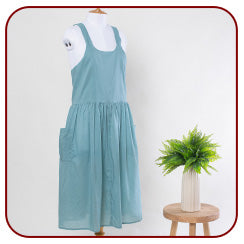
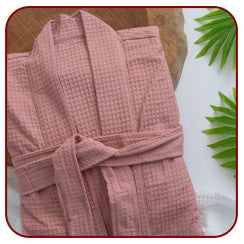
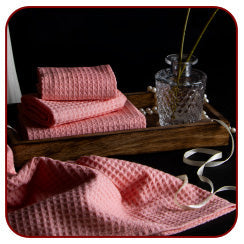
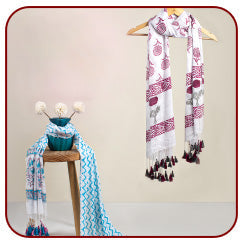
The Jaipur sun doesn’t just shine; it sits on you. It’s a heavy, golden weight that turns the city’s pink walls into heat-radiating kilns by noon. On afternoons like these, I’ve spent years people-watching from my studio window. You can always spot the person wearing polyester—they have that frantic, slightly panicked tug at their collar. Then, you see someone in high-grade Mulmul. They move differently. There’s a grace to it.
I’ve spent my life running my fingers over looms and raw bolts of cloth. I’m a firm believer that summer dressing is a quiet, desperate dialogue between your skin and the breeze. If the fabric doesn’t speak the language of airflow, you’ve lost the battle before you’ve even stepped outside. In my experience, the most refined wardrobes aren't built on what’s "in" they’re built on the tactile reality of how a fibre handles sweat and light.
Why the Wrong Fabric Feels Like a Trap

Rarely is the choice of textile so high-stakes as it is in July. When the humidity climbs, your skin needs to breathe, yet most modern clothes act like literal plastic wrap. Synthetic fibers, the ones clogging up every fast-fashion rack - trap heat against your limbs. They prickle. They cause that deep, subcutaneous summer itch that no amount of scratching fixes.
For those of us with sensitive skin, the "heaviness" of the sun is made worse by the friction of cheap materials. We lean toward natural fibers at Dmaasa because they possess a microscopic honesty. Cotton, linen, and silk are porous. They pull moisture away from the body and cast it into the air. This process is just simple physics, but when the pavement is sizzling, it feels like a miracle.
The Softest Contenders: How They Are Crafted
Not all cotton is created equal. I’ve seen "100% cotton" shirts that felt like cardboard. The magic happens in the weave and the staple length of the fibre.
1. The Whisper of Mulmul (Fine Muslin)
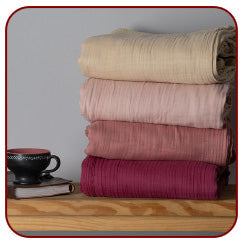
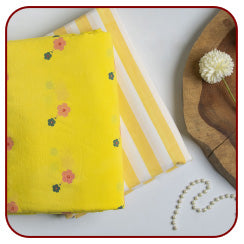
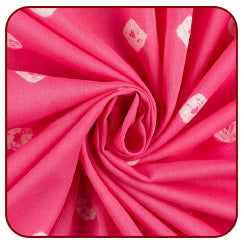
There is a reason Indian royalty favoured Mulmul for centuries. It is, hands down, the softest fabric for summer. It’s woven so thinly it feels like a second skin – or maybe a cloud you caught and tailored. It doesn't rub; it flows.
2. The Resilience of Linen
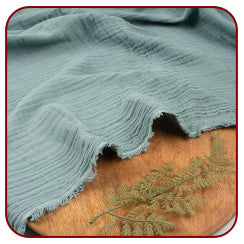
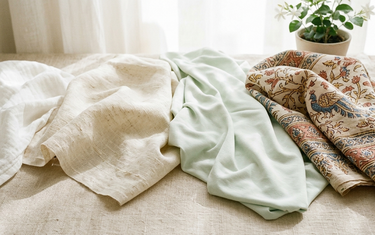
Linen gets a bad rap for being stiff. That’s a mistake. High-quality linen softens with every single wash, turning buttery over time. It has a structural "coolness" because the fibers are thick enough to keep the cloth from clinging to your damp skin. It creates its own private, shaded microclimate.
3. Hand-Block Printed Cotton
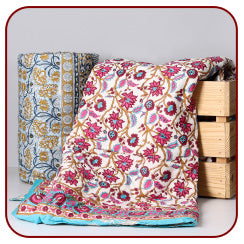
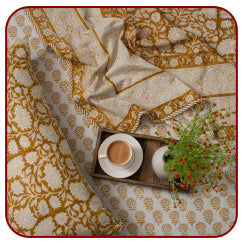
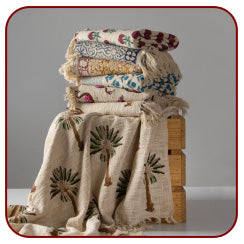
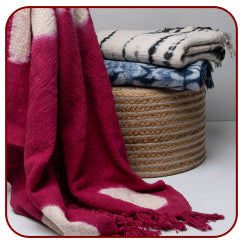
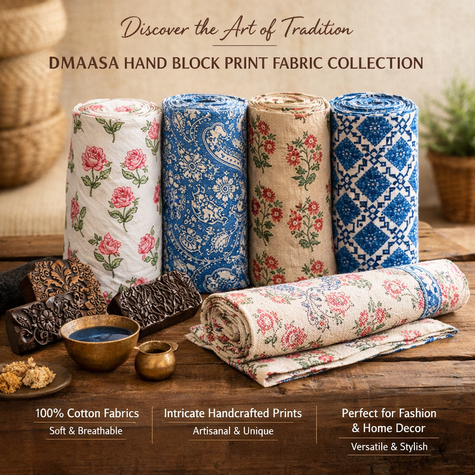
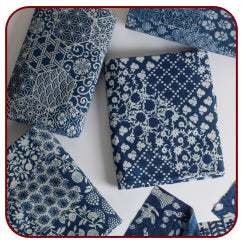
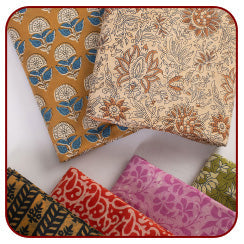
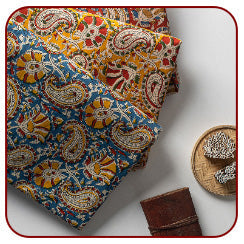
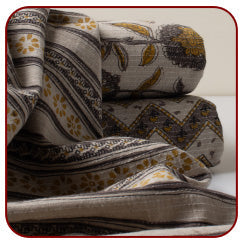
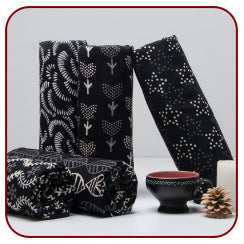
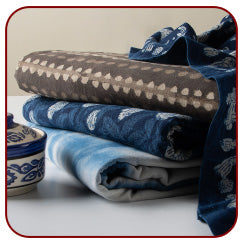
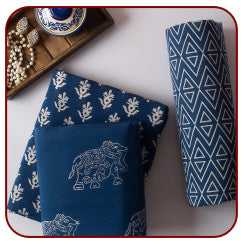
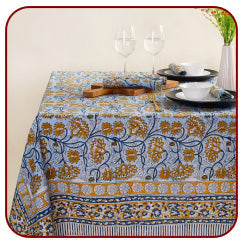
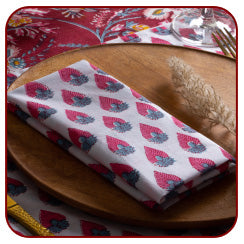
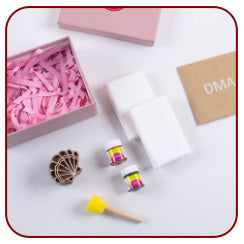
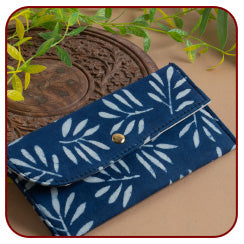
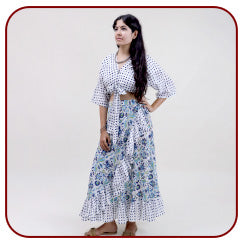
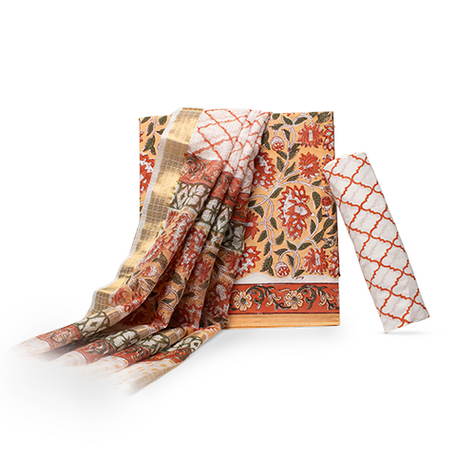
This is the soul of Jaipur. When we apply natural dyes using hand-carved wooden blocks, the fabric actually changes. Indigo or madder dyes don’t just sit on top like a plastic sticker; they become part of the organic structure. This keeps the material soft and breathable, unlike screen prints that "seal" the fabric and make you sweat.
Bringing the Coolness Home: Usage and Integration

Your skin doesn't stop being sensitive the moment you walk through your front door. If anything, the bedroom is where the "cool touch" matters most. If you’re sleeping on synthetic sheets, you’re basically simmering in your own heat for eight hours.
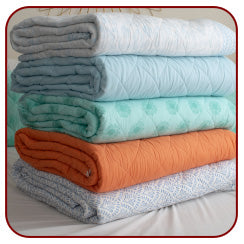
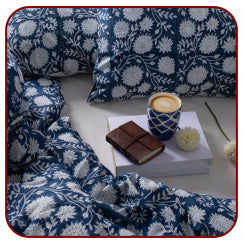
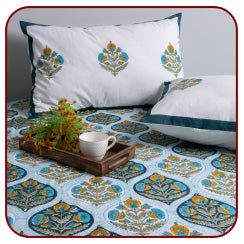
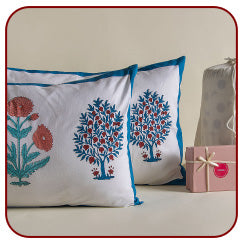
- The Bed: 100% cotton bedsheets and duvet covers are non-negotiable. The feeling of a fresh pillow cover against your face shouldn't be underestimated.
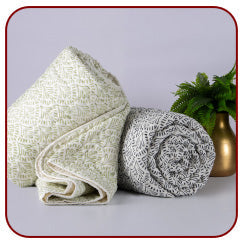
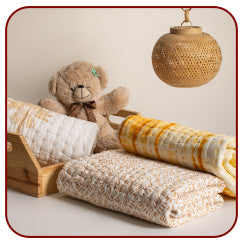
- The Layering Trick: Even in a heatwave, we want a layer. A dohar blanket – three layers of fine Mulmul stitched together is the quintessential Indian answer to the AC. It’s light enough to breathe but substantial enough to feel tucked in.
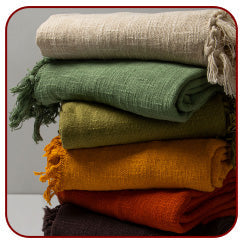
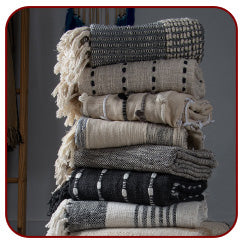
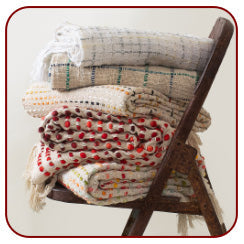
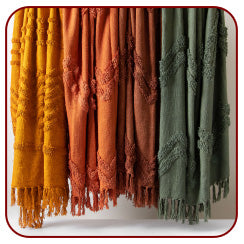
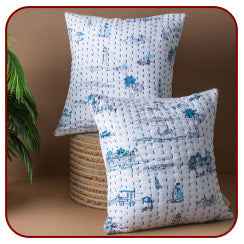
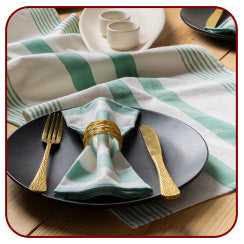
- Daily Details: Little things like cotton napkins, a linen throw on the sofa, or even just high-quality cushion covers prevent that sticky, "stuck to the chair" feeling.
Styling Your Summer Wardrobe

Moving from the bedroom to the street requires a shift in form, but never a shift in fiber.
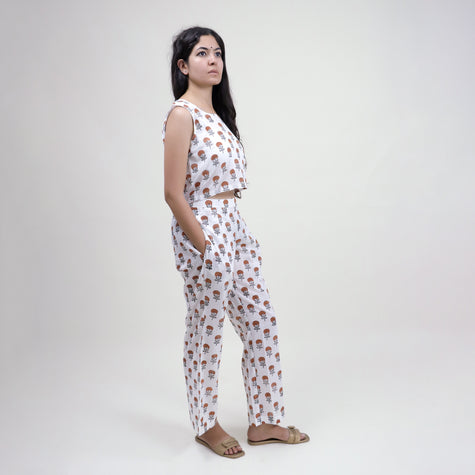
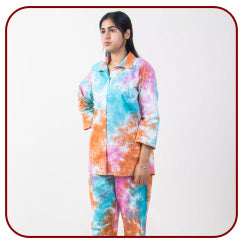
- The Effortless Uniform: Co-ord sets and pant top sets in light Cambric cotton allow air to circulate around the legs and torso at the same time.
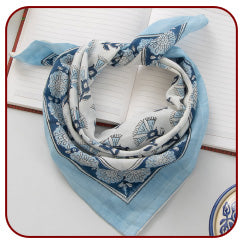
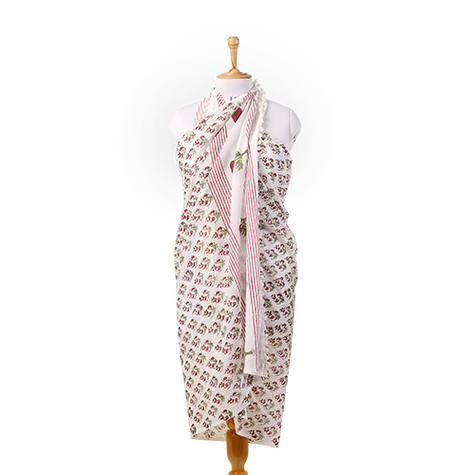
- Small Mercies: A Mulmul scarf, stole, or even a bandana wrapped around the neck can soak up perspiration while shielding your nape from the sun.
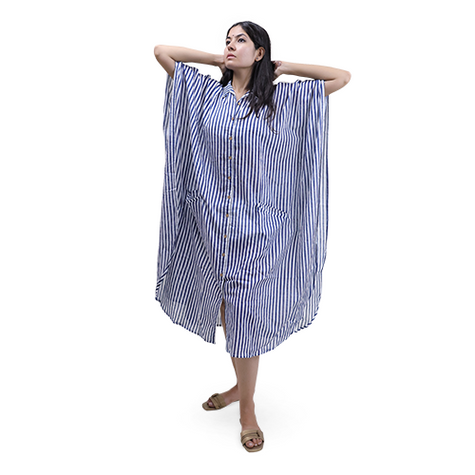
- Bespoke Comfort: For the perfectionists, buying raw suit material or fabrics is the way to go. A wide-cut kurta in a skin-friendly fabric is a masterpiece of functional design.
The Summer Giants: A Quick Look
|
Fabric |
The "Vibe" |
Best For |
Breathability |
|
Mulmul |
Cloud-like, ethereal |
Sensitive skin, sleep |
Maximum |
|
Linen |
Crisp, then buttery |
High humidity, travel |
High |
|
Cambric |
Smooth, sturdy |
Office, coord sets |
Medium-High |
|
Kota Doria |
Weightless, textured |
Occasions, stoles |
Very high |
A Final Thought from the Loom
I often tell my clients: stop looking at the price tag and start looking at the weave. A cheap polyester dress is an expensive mistake when it leaves you exhausted and overheated. True luxury in a desert climate is the feeling of a breeze passing right through your clothes. Whether it’s the hand-block printed fabric you choose for a custom suit or the dohar you wrap yourself in at night, the goal is the same - to feel human again.
Common Questions (The Stuff People Actually Ask)
Is bamboo really better than cotton?
Honestly? Usually no. Most "bamboo" is actually rayon, which involves a ton of chemicals. If you want real, honest-to-god comfort, stick to the classics: cotton and linen.
What’s the absolute softest thing I can wear?
Mulmul. Period. It’s been the gold standard for centuries for a reason.
Why does my linen feel scratchy?
It’s likely a low-grade blend or has too much sizing (starch) from the factory. Wash it. Then wash it again. Good linen is a long-term investment in softness.
What fabrics should I throw away right now?
Polyester, nylon, and heavy acrylics. They’re basically made of oil. Unless you’re going for a "greenhouse" aesthetic, they have no business in a summer wardrobe.
Is modal okay for the heat?
It’s soft, but it can be "heavy" and clingy. It’s fine for a t-shirt, but for a full day in the sun, it won't beat the airiness of a cotton voile.
Also Read: How to Choose the Best Fabric for Summer Clothing | 2026 Summer Fabric Trends in Fashion | Best Summer Fabrics for Kurta and Dresses in India (Complete 2026 Guide) | Top 7 Best Fabrics for Summer to Beat the Heat in Style | Hand Block Print Fabric in Men’s Fashion: Kurtas, Shirts & More 2026 |