


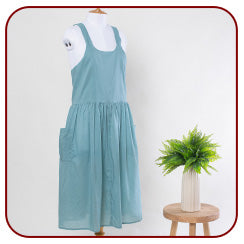
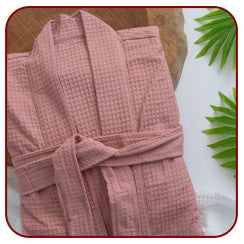
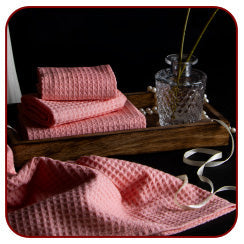
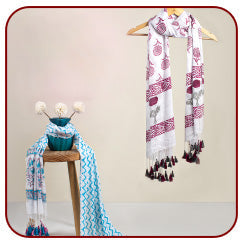
The Indian summer is not merely a season; it is a sensory siege. It is the relentless gold of the Jaipur sun, the heavy humidity of a Mumbai afternoon, and that sudden, desperate longing for a breeze that never quite arrives. In this climate, what you wear ceases to be a mere fashion choice and becomes your primary line of defense. I have always believed that luxury in the tropics isn't about the price tag—it is about the breathability of the fibers resting against your skin.
When the mercury climbs, your wardrobe must act as a sanctuary. We often spend so much time obsessing over silhouettes that we forget the science of the weave. Choosing the best fabric for summer clothing is an art of subtraction—removing the weight, the heat, and the synthetic "suffocation" that modern fast fashion so often imposes.
How the Right Fabric Matters in Summer
Rarely do we consider that our skin is actually breathing. When you drape yourself in polyester or thick, synthetic blends, you are essentially gift-wrapping your body in plastic. The heat has nowhere to go. It traps moisture, heightens body temperature, and turns a simple walk to the car into a grueling endurance test.
True comfort—the kind found in the artisanal collections at dmaasa —comes from understanding thermal conductivity. Natural fabrics allow air to circulate, acting as a natural heat-exchanger. When we opt for high-quality, sustainable materials, we aren't just looking better; we are literally cooling our core. It’s the difference between a restless, sweaty night and waking up refreshed under a crisp, block-printed dohar.

Top 3 Best Fabrics for Summer
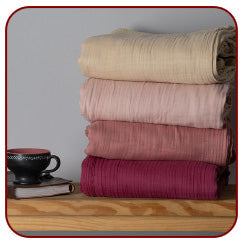
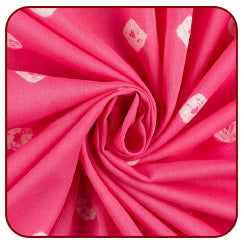
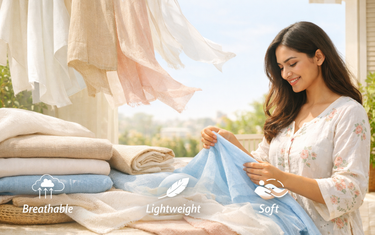
- The Sovereignty of Cotton: There is a reason the Indian subcontinent pioneered cotton thousands of years ago. It is the undisputed king of breathable fabrics for hot weather. Whether it's a lightweight mulmul or a structured cambric, cotton’s ability to absorb moisture and release it into the air is unparalleled.
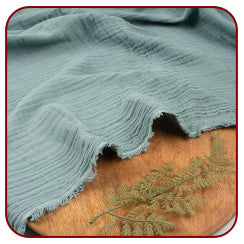
- The Versatility of Voile: Often overlooked, cotton voile is a featherweight champion. It is a plain-weave, sheer fabric that feels almost like a second skin. If you are looking for suit material or a bandana that provides protection without any bulk, voile is the "whisper of the desert" you need.
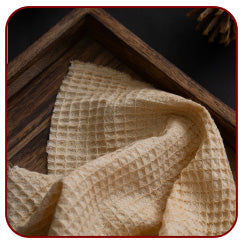
- The Elegance of Linen: If cotton is the king, linen is the refined aristocrat. Derived from the flax plant, linen features a larger weave that allows for massive airflow. It is arguably the best fabric for hot and humid weather because it never clings.
How to Choose the Best Fabric for Summer

Choosing is a tactile experience. When you're browsing for suit materials or co-ord sets, don't just look at the print. Feel the weight. You want a "low-thread-count" feel that isn’t flimsy, but rather airy.
- The Light Test: Hold the fabric up to the light. If you can see the tiny, irregular gaps between the threads, air can pass through it.
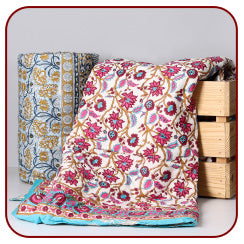
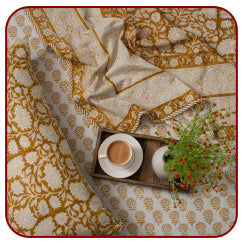
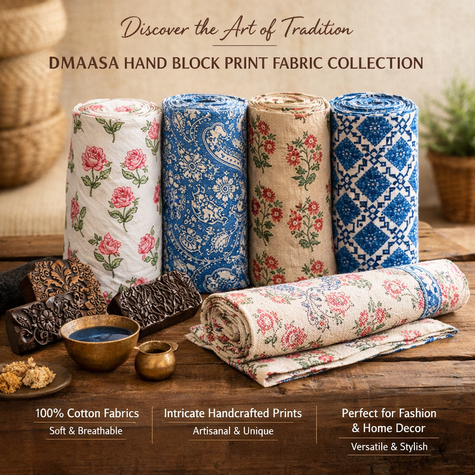
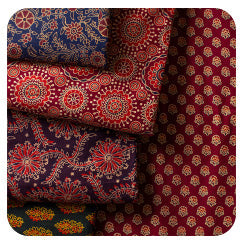
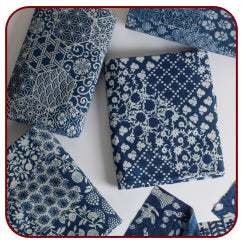
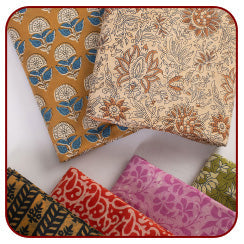
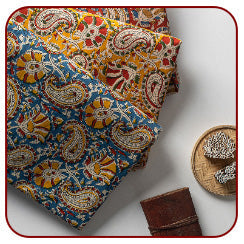
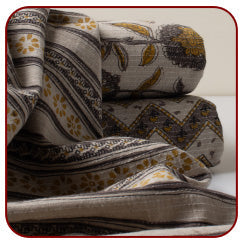
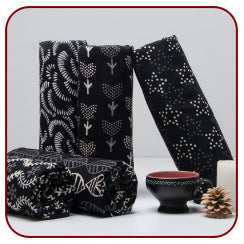
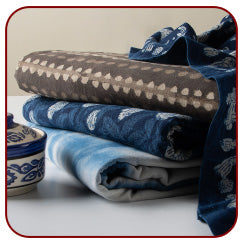
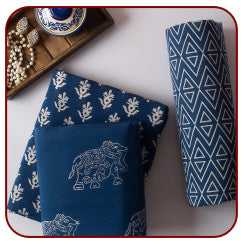
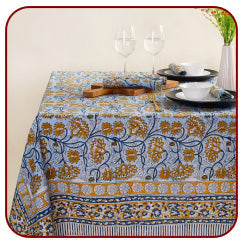
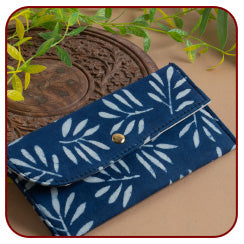
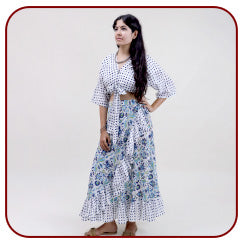
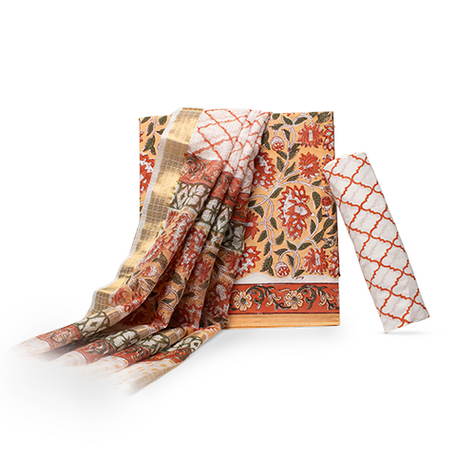
- The Texture of Tradition: Look for techniques like Dabu or Ajrakh. These aren't just patterns; they are often applied to high-quality soft cotton or pure cotton dyed bases that have been treated to maintain their integrity while staying porous.
- Color Matters: Pale blues, indigos, and natural dyes aren't just aesthetic choices. Darker synthetic dyes can sometimes "clog" a weave, whereas natural indigo and vegetable dyes allow the cotton to remain at its most breathable.
Tips for Staying Cool: A Comparison
|
Fabric Type |
Breathability |
Moisture Wicking |
Best Use Case |
|
Cotton |
High |
Excellent |
Daily wear, stoles, and bedsheets. |
|
Linen |
Highest |
Moderate |
Formal summer events, trousers. |
|
Rayon |
Medium |
Low |
Drapey dresses (but prone to trapping heat). |
|
Polyester |
Very Low |
None |
Avoid at all costs in the heat. |
Why Go with Natural Fabrics?
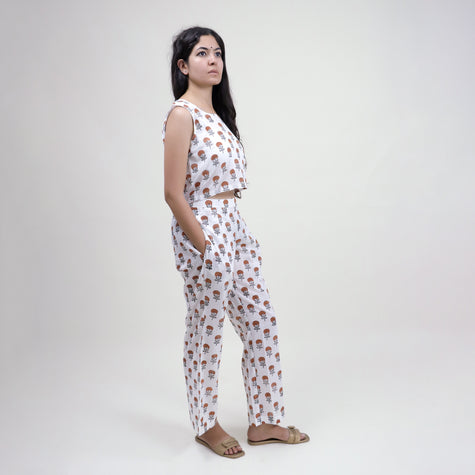
The shift toward sustainability isn't just a trend; it’s a return to sanity. Natural fabrics for hot weather, like the organic cotton used in dmaasa pant top sets, are biodegradable and free from the harsh chemicals that can irritate sweat-sensitized skin.
There is a quiet revolution happening in our homes, too. We spend a third of our lives in bed; why should our summer comfort end at the wardrobe?
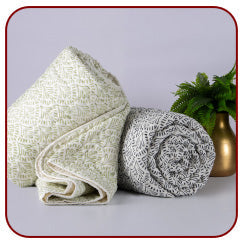
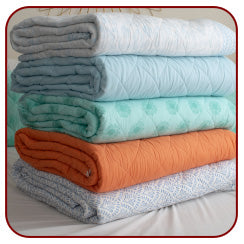
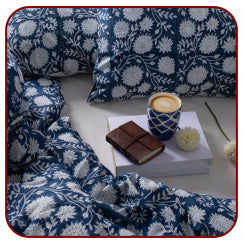
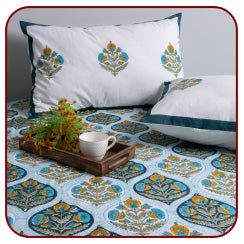
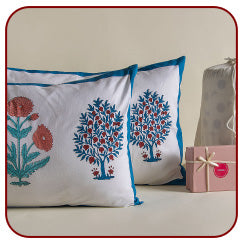
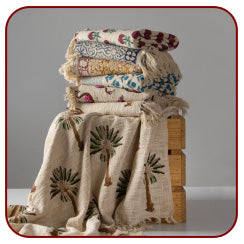
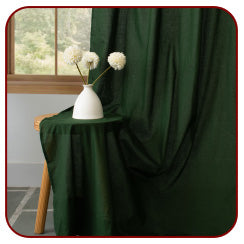
- Bedroom Bliss: Replacing synthetic linens with pure cotton bedsheets, duvet covers, and pillow covers transforms your bedroom into a cool oasis.
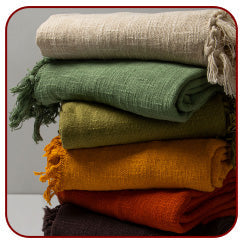
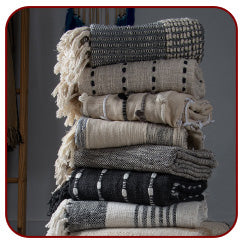
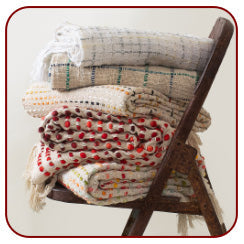
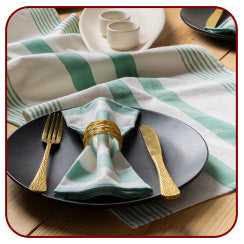
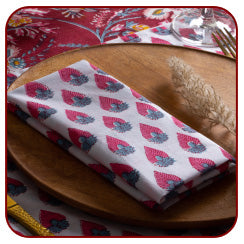
- Functional Decor: The moisture-wicking properties of a cotton throw or a soft napkin at the dinner table add a layer of refined comfort.
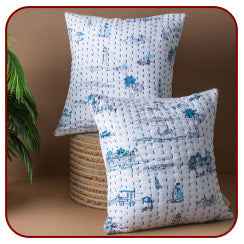
- Living Details: Even smaller items like cushion covers in hand-block prints can make a living room feel physically cooler by reducing the heat-retention common in velvet or polyester blends.
Future Trends in Summer Fabrics

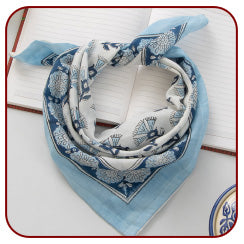
The future is ancient. We are seeing a massive resurgence in block printing and hand-dyed textiles. People are moving away from "fast fashion" and toward pieces with soul—bandanas that double as hair accessories, scarves that protect from the sun without adding heat, and stoles that add a layer of sophistication to a simple coord set.
We are also seeing a fusion of traditional techniques with modern silhouettes. Think sustainable pant top sets that you can wear from a brunch to a casual work meeting, looking polished but feeling like you're wearing nothing at all. The trend is moving toward "slow clothing"—pieces like the Dabu print or Indigo cotton fabrics that only get softer and more breathable with every wash.
Conclusion
In the end, summer is about movement and light. It’s about the grace of a cotton stole catching the wind and the peace of mind that comes from knowing your clothing was made ethically. By choosing natural, breathable clothing materials, you aren't just surviving the heat—you're mastering it.
FAQ: Everything You Need to Know About Summer Textiles
What fabric is best for summer clothing?
Undoubtedly, organic cotton and linen. They offer the highest breathability and are the gold standard for Indian summers.
Why is cotton good for summer?
Cotton is a natural fiber that allows air to flow freely. It absorbs perspiration, keeping you dry, and its heat-conducting properties help dissipate body warmth.
Is linen better than cotton for hot weather?
It’s a close call! Linen is more breathable due to its larger fibers and looser weave, making it excellent for humidity. However, cotton is often softer and more versatile for daily suit materials.
Which fabric keeps you coolest in summer?
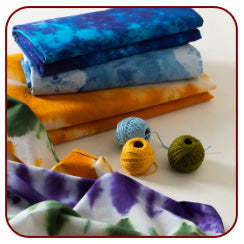
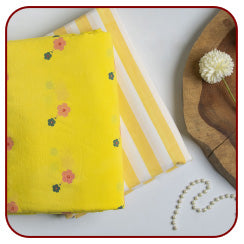
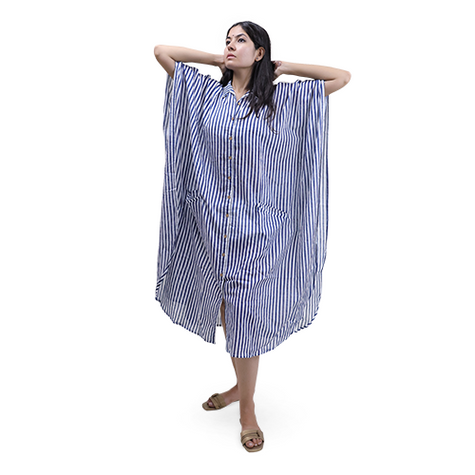
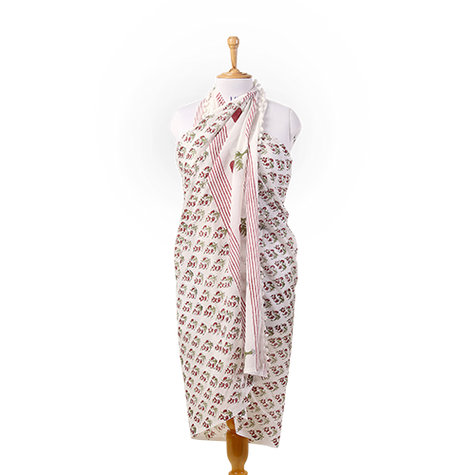
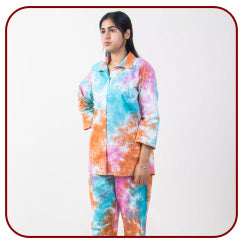
Lightweight, light-colored cotton (like the Sky Blue Tie Dye or Hand Block Stripes found at dmaasa.in) is generally considered the coolest because it reflects heat and promotes maximum airflow.
What fabrics should be avoided in summer?
Avoid polyester, nylon, and acrylic. These are essentially plastics that trap heat and sweat against your skin, leading to discomfort and skin irritation.
Is bamboo fabric good for summer?
While bamboo is breathable, it lacks the heritage and structural integrity of Jaipur Hand Block prints and Dabu cotton, which are specifically engineered by generations of artisans for the Indian climate.
Also Read: 2026 Summer Fabric Trends in Fashion | Top 5 Lightweight Fabrics Perfect for Indian Summers | Best Summer Fabrics for Kurta and Dresses in India | Eid Home Decor Ideas: Add Handmade Cotton Fabric to Your Space | Which Fabric Keeps You Cool in Summer India? | Top 10 Summer Fabrics to Stay Cool in India |