


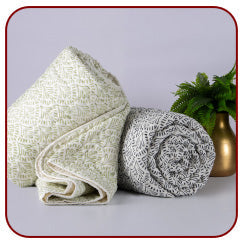
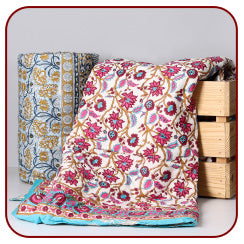
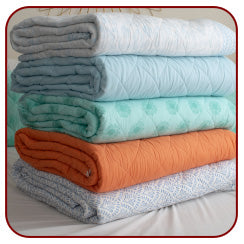
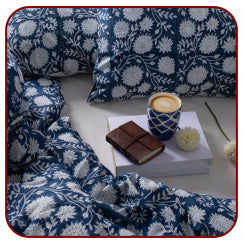

Heading - Introduction: Why Block Print Cloth Deserves a Place in Your Wardrobe & Home

I've always believed that the most beautiful luxury is the one that comes with a history. Forget fleeting trends; the truly refined choice is always the one rooted in craft. When I look at a piece of Indian block printed cloth, I don't just see fabric; I see a legacy—a silent, vibrant conversation between the artisan’s hand and the receptive cotton. This isn't just about buying; it’s about collecting.
In a world drowning in digital prints, the rhythmic imperfection of a hand-pressed wooden block is a defiant act of artistry. For us in India, this textile tradition is personal. It's the cool caress of a Malmal dupatta against your skin in the height of summer or the comforting weight of a cotton dohar blanket on a winter night. This is not a purchase you make lightly. It is a slow, considered investment in authenticity, and if you’re committed to quality, you need to know the anatomy of the perfect print. This is your essential guide to navigating the deep, textured world of dmaasa.
What Is Block Print Cloth?

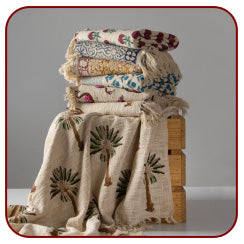
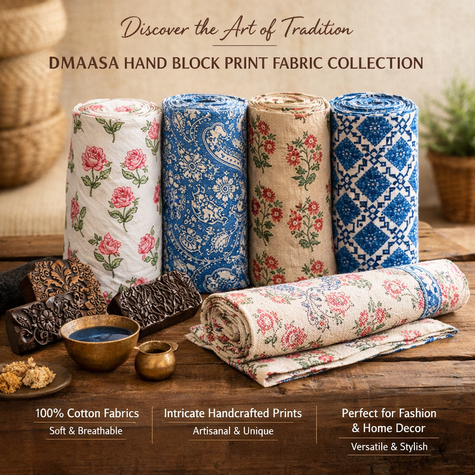
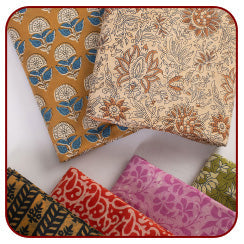
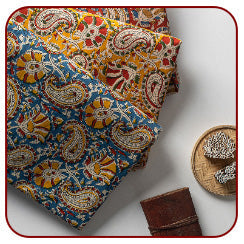
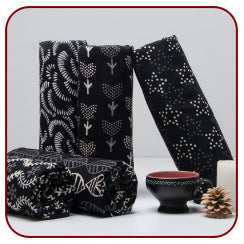
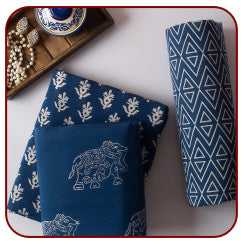
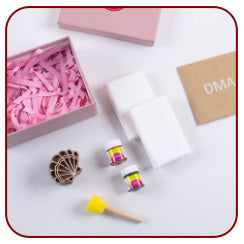
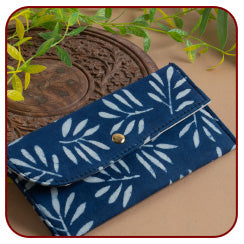
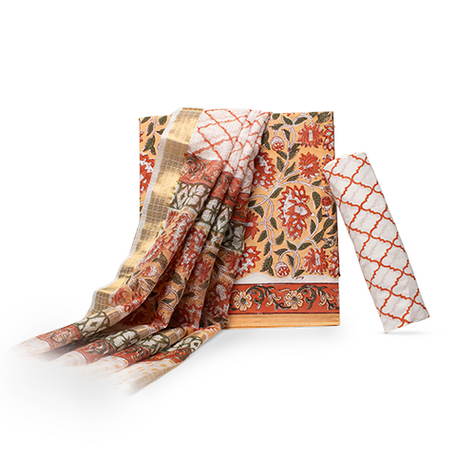
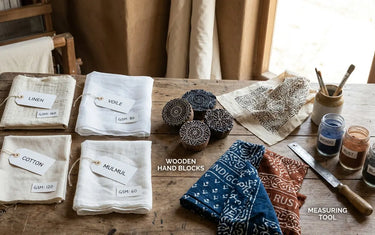
Ask yourself: what is the essence of a truly beautiful print? It’s soul, not synthesis. Block print cloth is born from a meticulous, time-honoured process where a carved sāgwan (teak) block becomes the artist's brush. It is pressed, often repeatedly, across meters of textile. This is the only acceptable method.
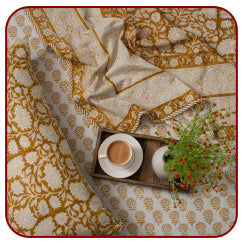
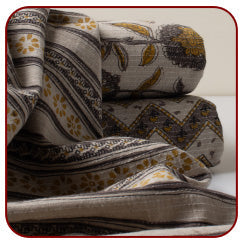
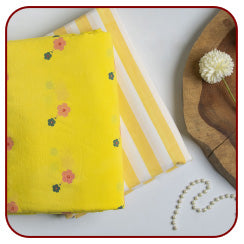
When you hold a piece of authentic hand block print fabric, you must search for the minute, exquisite evidence of the human touch—the slight jhal (tremor) of the line, the fractional overlap where one press met the next. That is your certification of originality. That is how you identify real block print cloth. If it looks sterile, flawless, and flat, set it aside. The genuine article is a celebration of beautiful inconsistency. It’s what separates a true Jaipur original from a mass-market imitation.
Best Fabric Types for Block Print Cloth
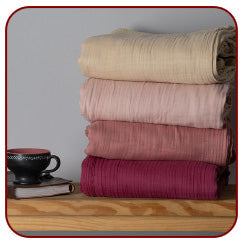
The print is the poetry, but the cotton is the stage. And what a wealth of pure Indian cotton fabrics we have! The foundation of a good textile is non-negotiable—it must breathe, drape, and hold the dye with integrity.
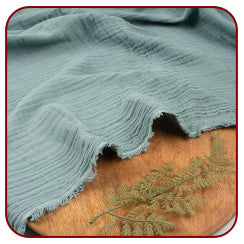
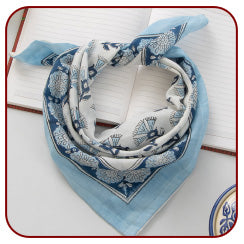
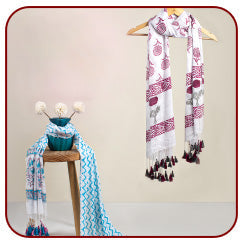
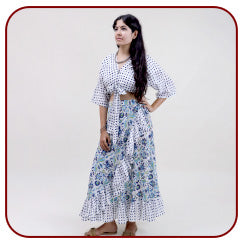
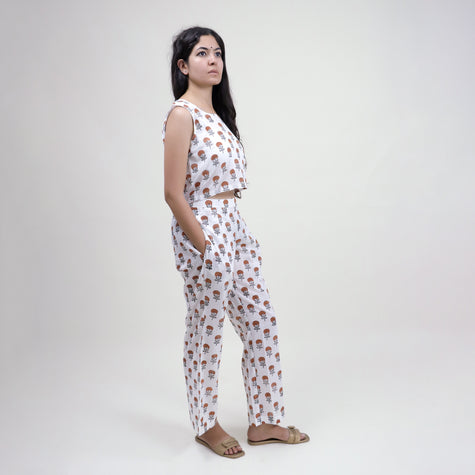
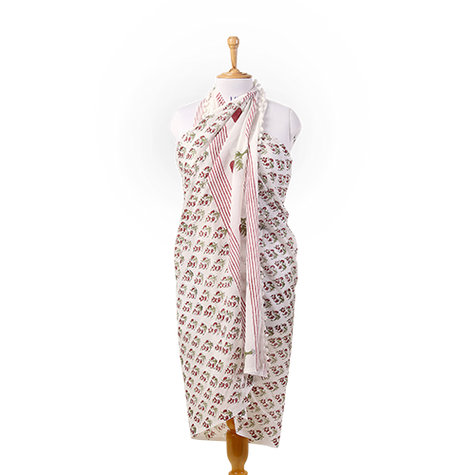
For everyday elegance, especially for our stunning co-ord sets or a chic pant top set, I gravitate toward Cambric. It’s a crisp, smooth weave that takes a block impression beautifully, yielding a sharp, clear design. If you seek pure, weightless indulgence, particularly for an ethereal scarf or delicate pillow covers, the whisper-light Voile and the aforementioned Malmal are your allies.
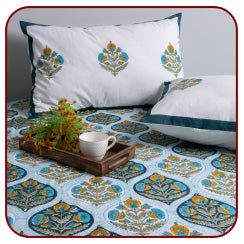
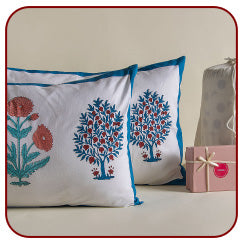
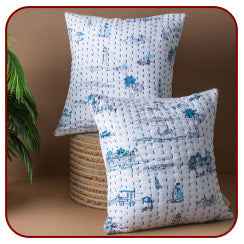
For the home—for durable bedsheets and sumptuous duvet covers—we need substance. Here, Poplin or perhaps Satin Cotton (for a subtle, rich sheen) steps up, offering a tighter, more resilient weave. And for the heavy-duty artistry of a patterned cushion cover or a structured suit material, nothing anchors the print like a hearty Slub Cotton or sturdy Drill. If someone asks what is the best fabric for block printing, I say the one that best serves its final purpose—be it the casual luxury of a Canvas tote or the flowing grace of Muslin.
Natural Dye vs. Pigment Dye Block Printing

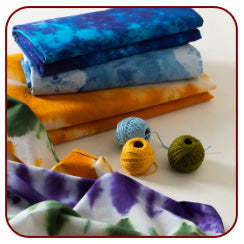
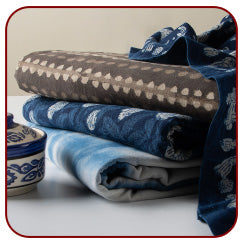
This distinction is the quiet secret of true textile lovers. The colors on a genuinely beautiful textile must feel alive. They must possess the depth that comes only from earth, plants, and minerals. This is the domain of vegetable dye block print fabric. Think of the muted, complex blues of natural indigo or the rich, earthy reds of madder.
I find that fabric dyed with these methods possesses an incomparable softness—a color that fades gracefully, not harshly. By choosing textiles crafted with natural dyed block print fabric India, you are confirming that is block printed cloth eco-friendly. You are supporting a low-impact cycle that respects the natural world.
Artisan Story: In a small workshop near Bagru, I watched a dyer prepare the turmeric bath. He told me, "We don't steal the colour, didi. We borrow it from the earth, and we must give it back clean." This deep respect for the resource is the core of sustainable textile practice, making these truly sustainable block-printed textiles.
Understanding GSM for Block Print Cloth

Let’s talk weight. GSM (Grams per Square Meter) is not just a number; it’s the density that dictates utility and comfort. This GSM guide for block printed textiles will help you shop with authority.
- Low GSM (Under 150): The khushboo of softness. This is your fine stole, your light bandana, the breathable core of your dohar blankets. Pure comfort, no bulk.
- Mid GSM (150-250): The workhorse. This weight ensures the durability required for everyday wear and the resilience needed for high-quality bedsheets. It drapes without clinging.
- High GSM (Above 250): Maximum structure. Use this for robust items—the ones that need to hold their shape, like tailored cushion covers or heavy suit material.
Care Instructions for Block Print Cloth
Your new piece is an heirloom in the making; treat it as such. These block print cloth care instructions are not suggestions, they are commands for longevity.
- The Initiation: Crucial. For the first two washes, soak the textile in cold water with coarse rock salt. This helps set the natural colors.
- The Routine: Always cold water, always a mild, non-abrasive detergent. Hand wash is the gold standard, but if you must use a machine, the gentle cycle is mandatory.
- The Sun: The sun is your enemy. Never dry authentic block print fabric directly in sunlight; line drying in the shade preserves the depth of the natural dyes.
The Finish: Iron on the reverse side. This keeps the print vibrant and crisp.
Where to Buy Authentic Block Print Cloth
If you've followed this far, you are ready to buy block print fabric not just as a consumer, but as a curator. When you choose an ethical platform like dmaasa. you know that every scarf, every pant top set, and every luxurious bedsheet is a direct link to the artisan. We prioritize genuine Jaipur block print cloth and true Bagru dyeing techniques. This commitment to origin is the only way to ensure you are investing in genuine, ethical Indian artistry.
Frequently Asked Questions (FAQs)
We often encounter these crucial questions from discerning buyers. Here are the authoritative answers to guide your next purchase:
How can I identify real block print cloth?
Look for the beautiful, subtle imperfections. Real block print cloth will show minor overlaps, slight color variations, or a faint jhal (tremor) in the line where the artisan pressed the wooden block. Machine prints are sterile and too flawless.
Is block printed cloth eco-friendly?
Yes, authentic, naturally dyed block-printed cloth is highly eco-friendly. When artisans use vegetable dye block print fabric (derived from natural sources like indigo, turmeric, and madder), they significantly reduce water waste and chemical usage associated with synthetic industrial dyeing processes. This supports truly sustainable block printed textiles.
What is the best fabric for block printing?
The best fabric is pure Indian cotton, but the specific type depends on the end product. For crisp, sharp prints and apparel, Cambric is exceptional. For the lightest drape (scarves, airy duvets), Malmal or Voile is ideal. For durable items like structured cushion covers, a heavier Drill or Slub Cotton works best.
Begin building your own textile legacy today with Dmaasa.
Also Read: Famous Hand Block Printing Regions of India: Jaipur, Bagru, Sanganer & More | Best Fabric for Summer Clothing: Why Organic Cotton & Voile Are Perfect for Heat | Summer Fabric Tips: Choose the Right Fabric in India | DMAASA | The Best Summer Fabrics You’ll Find in DMAASA Collections | How to Choose the Best Fabric for Summer Clothing | Best Summer Fabrics for Kurta and Dresses in India |