


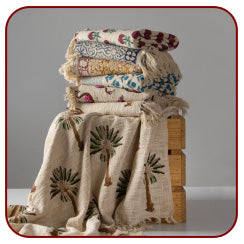
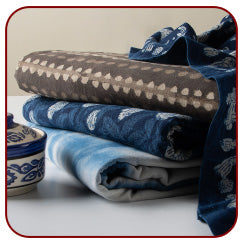
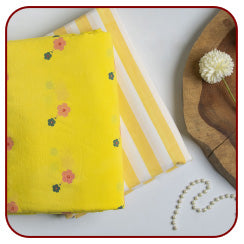
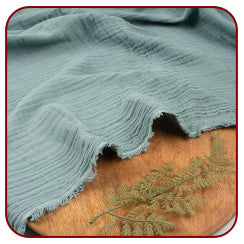
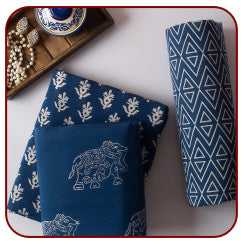

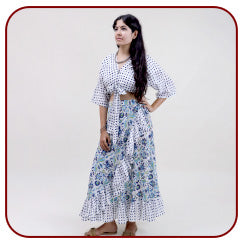
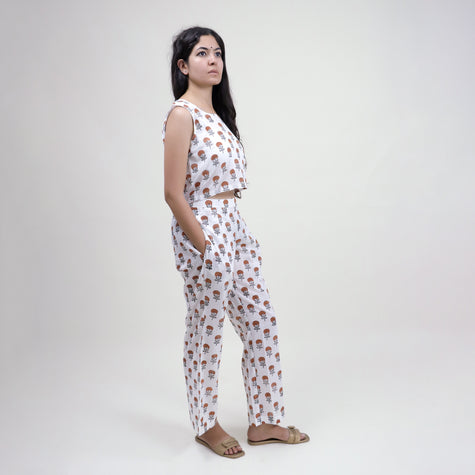
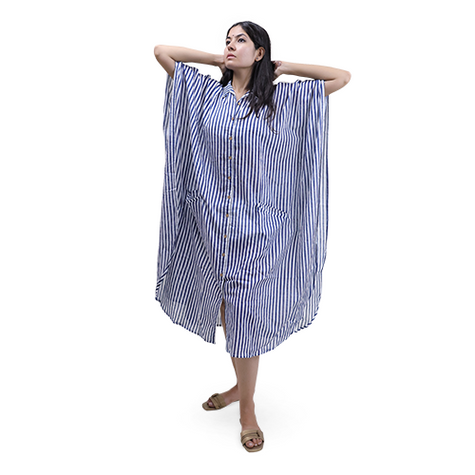
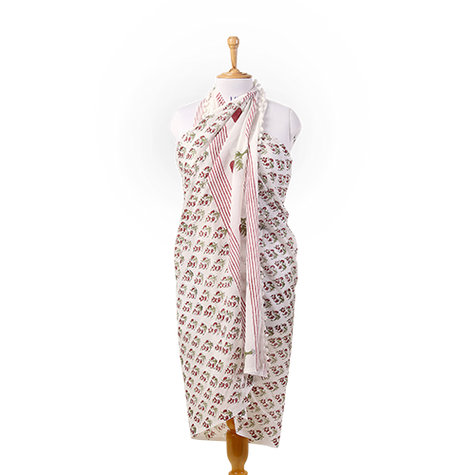
The Legacy of Indian Hand Block Printing
Honestly, when I think about Indian textiles, I don't see just fabric. I see the living, breathing tapestries of our collective soul. What we often casually refer to as "cloth" is, in reality, a canvas for master artisans, a physical manifestation of our rich Indian textile heritage.
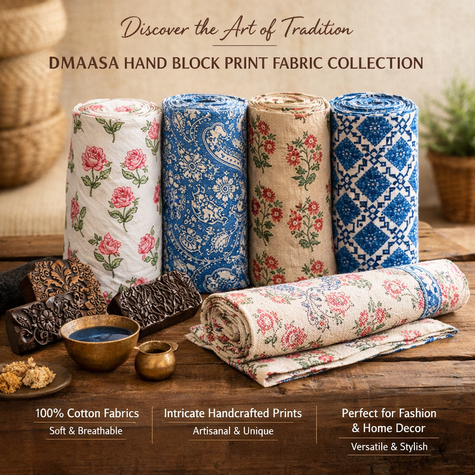
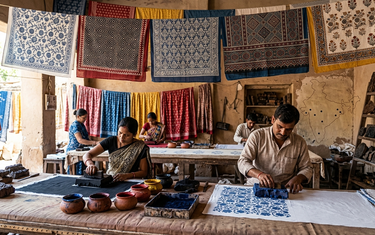
To hold a piece of fabric meticulously patterned by hand is to literally hold a fragment of time. This craft, spanning millennia, is far more than a technique; for the kaarigars, it’s a devotional practice. It’s a quiet revolution—a necessary one—against the cold uniformity of the machine age. And what, exactly, is this wonder we call hand block printing? It’s simply the process where a master craftsman, using intricately carved wooden blocks, meticulously stamps colour onto cloth, often requiring dozens of individual placements just to complete a single metre of design. Seldom is the choice of colour so critical; seldom is the precision so demanding. This, my friends, is the heart of traditional block printing techniques. This is where the magic begins, slow and steady.
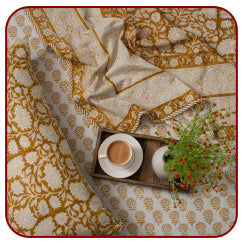
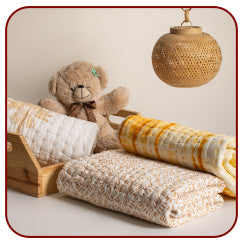
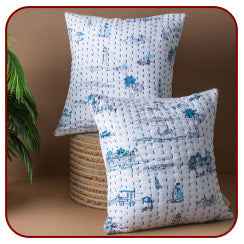
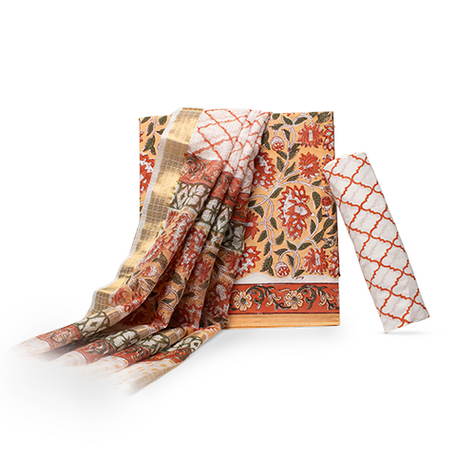
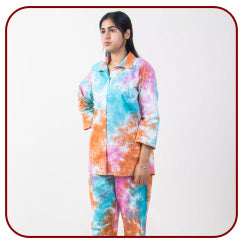
At Dmaasa, our mission is quite simple: we don’t just sell cotton products; we aim to be a custodian of this heritage, bringing the very best of handmade Indian textiles right into your homes. We deal exclusively in the purity of Indian cotton, a fibre that naturally celebrates this technique. Just consider the silken touch of muslin against your skin or the crisp, reliable structure of poplin when used in a beautifully tailored coord set—each a tribute to the land from which it sprang. The inherent strength of slub cotton allows for a dimensional, earthy print, while the weightless flow of malmal is perfectly suited for the whisper-soft texture of our dohar blankets. This deep connection to the source is precisely why, when you buy our bedsheets or a vibrant cushion cover, you realise you aren't just buying décor; you are investing in art. The traditional Indian printing methods we honour lend an incomparable depth to every product, whether it’s a simple bandana or a luxurious duvet cover.
Jaipur — The Royal Capital of Block Printing

My journey into the world of Indian prints always starts in Rajasthan, the land of kings, and specifically, in Jaipur. Why is Jaipur famous for hand block printing? You can trace the answer back to royalty and patronage. The craft simply flourished here under the Maharajas, who valued its exclusivity and artistry, making it synonymous with the city’s opulent aesthetic. The patronage transformed the skill from a necessary utility into a recognised fine art, which is why it achieved global recognition as Jaipur hand block printing.
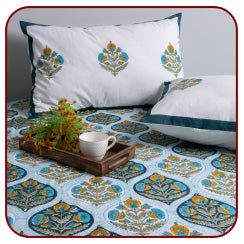
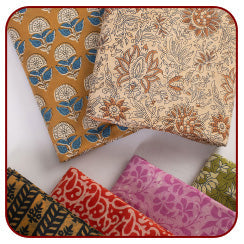
Jaipur's signature style is defined by its vibrant palette—think classic royal blues, intense reds, and sun-drenched yellows. The motifs are sophisticated, often drawing inspiration from Mughal architecture, detailed butas (floral sprays), and delicate trellises. We find a preference for the finer, smoother weaves of cotton in this area. A duvet cover crafted in the Jaipuri style on a soft Cambric cotton, for instance, is the epitome of luxurious comfort, its print always sharp and clearly defined. The fineness of the block carving required for these delicate patterns truly necessitates a smooth, even surface, which the high-thread-count Satin Cotton effortlessly provides for our premium pieces.
It is in Jaipur that the term "hand block printing" took on its global prestige. The precision, the incredibly fine lines, the often-complex layouts requiring multiple blocks—this is the unmistakable mark of the capital. When I select a pant top set for our apparel collection, I am always looking for this regal clarity. The prints tell a story of courtly gardens and grand palaces; they feel authoritative, they are refined, and they are, without question, utterly grand. For those seeking the gold standard of best places for block printing in Rajasthan, Jaipur sits unquestionably at the apex. We source prints on durable yet soft Voile here for our fine stoles, ensuring the drape is as luxurious as the pattern itself.
Bagru — The Rustic Beauty of Earthy Hues
Now, we must travel just a short distance from the bustling urban heart of Jaipur to the quiet, dusty lanes of Bagru. Here, the story changes dramatically, moving from the palace walls to the earth itself. What makes Bagru printing unique? It’s the complete, unwavering reliance on natural dye printing and a profound respect for the soil. The shift is palpable—from the sophisticated royal finery of Jaipur to the rugged, rustic heartland.
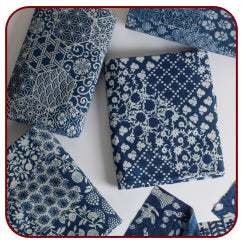
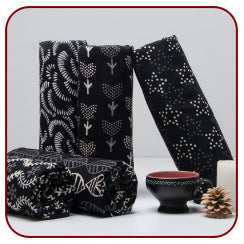
The hallmark of Bagru block printing is its earthy palette: deep indigos, earthy reds derived from madder root, and the unmistakable black derived from fermented iron scraps, or syahi. These aren't the bright, chemically-enhanced colours you see elsewhere. These are hues with character, colours that deepen and soften beautifully with time. The traditional block printing techniques in Bagru often involve a demanding dabu resist-printing process. This is where a thick, protective mixture of mud, gum, and lime is applied to the fabric before dyeing. This protective layer, once washed off, reveals breathtaking, unspoiled patterns beneath. It’s a genuine alchemy of water, mud, and dye—a true testament to the power of nature.
The motifs here are more geometric, bolder, and wonderfully rustic. They draw from local flora and fauna, often featuring strong, repeating patterns. A scarf or stole from Bagru on a durable Slub Cotton feels inherently grounded, like a wearable piece of the Rajasthani landscape. It's the absolutely perfect choice for a heavy cushion cover where the texture and depth of the natural dyes can truly enrich the space. Rarely does a printing tradition feel so honest, so intimately connected to its raw materials. The bold, large patterns of Bagru demand a substantial base, which is why we often utilize the structured texture of Drill cotton for these prints, lending weight and permanence to the finished product, whether it's a pant top set or a heavy bedsheet.
Sanganer — The Land of Fine Detailing and Florals
Our journey continues to Sanganer, located even closer to Jaipur, yet possessing a distinct aesthetic that immediately sets it apart. The difference is immediately apparent upon examining the print: How does Sanganer printing differ from Bagru?
While Bagru embraces the rustic and the earthy, Sanganer champions the fine detailing and delicate grace. Where Bagru uses bold, traditional motifs and natural dyes for depth, Sanganer is known for its exquisite floral patterns—delicate creepers, small buds, and fine paisleys—often executed with startling precision and a slightly brighter, more diverse range of colours (though, importantly, still traditionally vegetable-derived). The aesthetic is light, airy, and intensely charming, perfectly capturing a pastoral elegance.
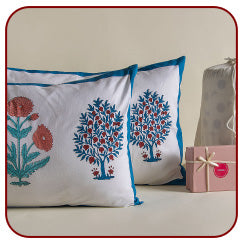
The Sanganer technique demands absolute mastery; it’s an unforgiving precision. The intricate bootis (small floral sprays) often cover the entire fabric, leaving very little negative space. The preferred canvas here is the weightless airiness of Malmal (a finely woven Muslin) or a crisp Satin Cotton for a truly premium finish. A set of Sanganeri-printed pillow covers can instantly elevate a bedroom with its light, detailed touch. For apparel, a delicate suit material or pant top set in a Sanganer floral on crisp Poplin or substantial Cambric offers structured elegance with playful, yet refined, detail. It’s this lightness, this intricate precision, that makes Sanganer a cornerstone of famous block printing regions. The contrast is clear: Bagru is strength and earth; Sanganer is grace and detail. This is the simple yet profound difference between Jaipur and Bagru block printing styles, a crucial realization that informs every collection we design.
Other Iconic Block Printing Regions in India
While Rajasthan’s golden triangle—Jaipur, Bagru, and Sanganer—rightly dominates the narrative of famous hand block printing regions of India, the tapestry of this craft stretches across the entire subcontinent, each region adding a unique and vital hue to our textile heritage. The collective mastery of these regions forms the backbone of our commitment to artisan-made fabrics.
Ajrakh — The Craft of Kutch, Gujarat

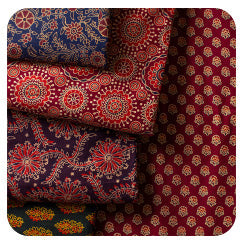
Travel west, across the Thar desert, and you encounter Ajrakh in Kutch, Gujarat. This printing style is truly more than a technique; it is a cultural identity, traditionally worn by the pastoral communities. Ajrakh is defined by a rigorous, often 14-to-16-step process involving intricate resist-printing, repeated dyeing, and an almost sacred connection to the cosmos reflected in its dark indigo and rich madder-red hues. Its geometric, interlocking patterns are immediately recognizable, demanding immense patience. The beauty of Ajrakh lies in its double-sided nature, where the print often penetrates completely through the fabric, making a bandana or scarf equally beautiful on either side. We use strong Canvas or durable Drill cotton to carry the weight and complexity of these indelible, time-intensive designs for our sturdier coord sets and suit material.
Kalamkari — Andhra Pradesh’s Painted Heritage
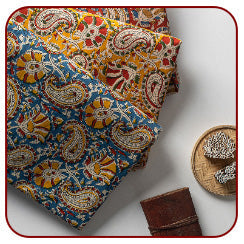
Moving south, in Andhra Pradesh, we find Kalamkari, a term that literally means 'pen-craft.' Uniquely, Kalamkari is a beautiful blend of block printing and freehand painting, with a kalam (pen) used to draw fine outlines and details. The themes are overwhelmingly narrative, depicting scenes from Hindu epics like the Ramayana and Mahabharata. The colours are subdued and natural, derived mainly from plant sources. While Dmaasa focuses primarily on the block-printed textile styles for our bedsheets and dohar blankets, the spirit of Kalamkari’s detailed storytelling, its deep spiritual roots, and its devotion to the craft is a powerful guiding star for all artisan-made fabrics we offer.
Bagh and Madhya Pradesh Prints
In Madhya Pradesh, particularly the Bagh region, a powerful and distinctive print emerges. Bagh prints are characterized by highly structured, often black and red, geometric designs that often combine with bold natural motifs, executed on a pre-treated cloth. Similar to Ajrakh, the process is intensive, rooted deeply in river water treatment and natural dye printing. The strong, commanding patterns are perfect for the structure of Poplin or the heavy texture of Canvas, lending a sense of history and gravitas to any piece of suit material or robust cushion cover. These prints, though perhaps less globally renowned than Jaipur’s, speak volumes about the diversity of our Indian textile heritage and the sheer wealth of famous block printing regions in the country.
How Dmaasa Keeps the Tradition Alive

The ultimate question remains: Does Dmaasa use traditional printing methods? This is an unequivocal yes. We are fiercely committed to partnering directly with the kaarigars (artisans) in these very regions, ensuring that the legacy of Dmaasa hand block print is one of authenticity, not mere imitation. We do not chase fast fashion trends; we champion timeless craft. Our focus is squarely on sourcing the finest materials to ensure the artisans’ work is showcased on the perfect canvas.
We understand that true luxury lies in the story, the human touch, and the comforting knowledge that no two prints are ever exactly alike. A slight dye bleed, an uneven stamp—these are not flaws; they are the genuine fingerprints of the artisan. Our collections—from our soft Malmal dohar blankets to our vibrant Cambric bedsheets—are a testament to the fact that traditional Indian printing methods are absolutely alive and thriving. Seldom is ethical sourcing so critical as it is when preserving these centuries-old skills.
We select only the finest Indian cotton—from the easy elegance of Voile in our scarves to the durable utility of Canvas for our heavier furnishings, and the sleek finish of Satin Cotton for premium duvet covers—because these natural fibres best absorb the natural dyes and allow the fine artistry of the block to truly sing. Whether you choose a detailed Sanganer pillow cover or a geometrically bold Bagru cushion cover, you are participating in a beautiful continuity. You are becoming a patron of the subtle difference between Jaipur and Bagru block printing and all the other nuances that make Indian textile heritage so rich.
We ensure that every piece of Dmaasa handmade block print fabrics is a piece of wearable or usable history, a celebration of the artisan, and a step towards preserving the best places for block printing in Rajasthan and beyond. This is why we are able to confidently offer textiles that speak volumes, textiles that are not just beautiful, but profoundly meaningful. We believe in textiles that tell a story, and yours is waiting to begin.
FAQs
What is hand block printing?
Hand block printing is an ancient process where master craftsmen use intricately carved wooden blocks to manually stamp colour onto cloth, often requiring dozens of precise placements to complete a single design.
Why is Jaipur famous for hand block printing?
Jaipur is famous because the craft flourished under royal patronage by the Maharajas, which elevated the technique to an art form characterized by sophisticated designs, vibrant colours, and global recognition.
Also Read: Best Fabric for Summer Clothing: Why Organic Cotton & Voile Are Perfect for Heat | Summer Fabric Tips: Choose the Right Fabric in India | DMAASA |