


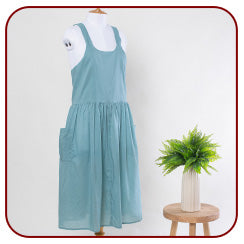
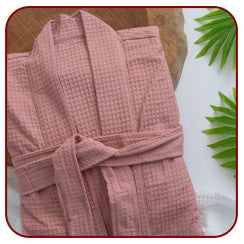
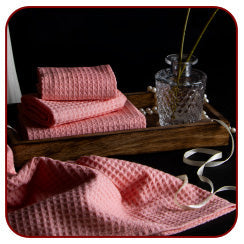
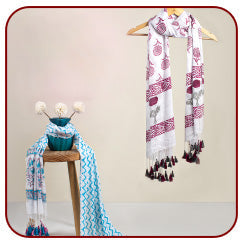
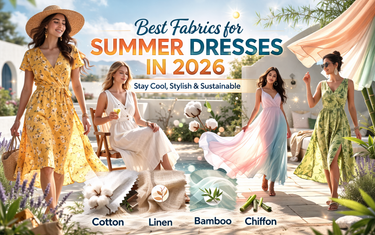
There is a specific kind of madness to an Indian summer. You know it, the kind where the air in Jaipur turns into a physical weight and the humidity in Mumbai feels like a wet blanket. In 2026, I’ve noticed a definitive shift in how we approach our wardrobes. We are finally done with fast fashion polyester that smells of chemicals the moment you break a sweat. We are returning, almost instinctively, to the textiles our grandmothers swore by. Luxury today isn't a gold logo; it’s the sheer, cooling relief of Malmal against the skin at 4 PM when the world feels like it’s melting.
It’s a quiet revolution. We’re choosing fabrics that don’t just look expensive but actually perform under the sun. We are realizing that to stay stylish in 2026, we have to look backward to the ancient looms and forward toward total sustainability.
Why Choosing the Right Summer Fabric Matters

Rarely is the choice so clear as it is during the peak of May. You wear a synthetic blend once, and you learn your lesson the hard way. Your skin is your largest organ; it needs to breathe. Natural fibers, specifically the Indian cotton varieties we specialize in at DMAASA, act like a secondary respiratory system. They pull moisture away from the body and let the air circulate.
I believe your summer elegance shouldn't be a struggle against your own clothes. When you choose a hand block print fabric, you aren't just picking a pretty pattern. You’re picking a centuries-old tradition of thermal management. It’s the difference between feeling wilted by noon and feeling like you’re carrying your own personal patch of shade. In 2026, breathability is the most expensive thing you can wear.
Organic Cotton – The Ultimate Summer Fabric
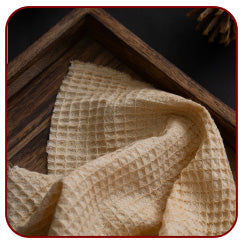
There is something deeply grounding about Organic cotton fabric for dresses. It feels... honest. Unlike conventional cotton, which is often beaten down by pesticides and heavy industrial processing, organic cotton retains its natural waxes. This makes it softer, more absorbent, and this is the clincher for eco-friendly fashion 2026 - completely biodegradable.
When you touch organic cotton, you can feel the integrity of the fiber. It hasn't been stripped of its soul. In 2026, we are seeing a massive demand for this because it simply lasts longer. It doesn't pill after three washes. It doesn't trap odors. It is the backbone of the DMAASA philosophy.
Why Organic Cotton Is Perfect for Summer:
- The Breathability Factor: The fibers are "hollower" and more open because they haven't been crushed by chemical harvesting.
- Skin Sanity: No chemical residues mean no heat rashes or summer skin flare-ups.
- The "Fall": Whether it’s a heavy drill for trousers or a light Poplin for a shirt-dress, organic cotton has a drape that synthetic fibers can only dream of mimicking.
Pure Cotton Hand Block Print Fabric

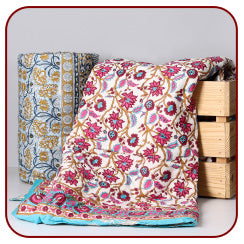
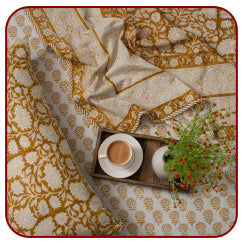
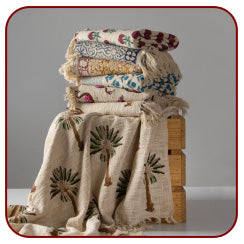
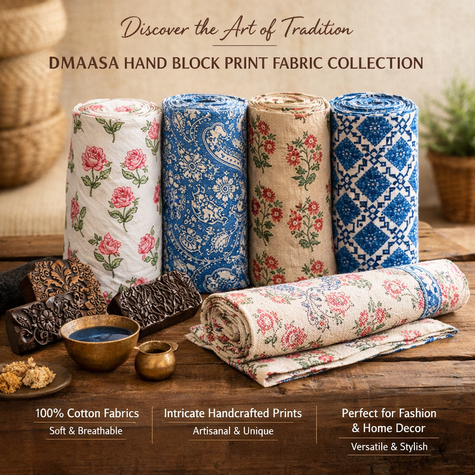
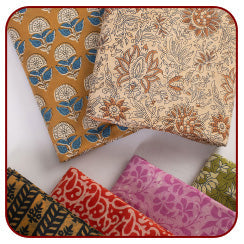
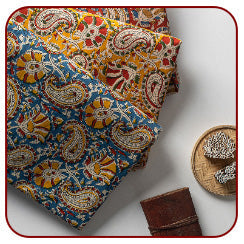
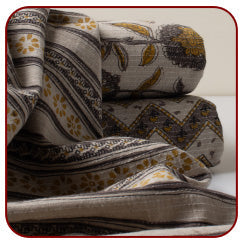
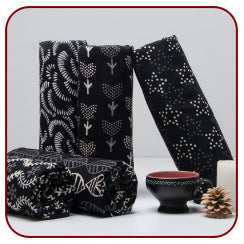
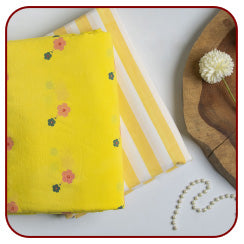
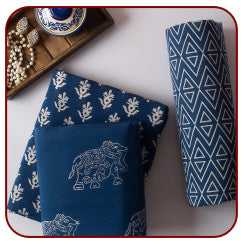
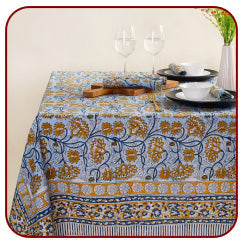
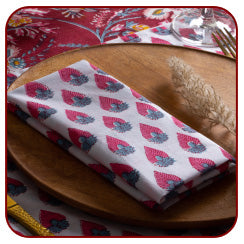
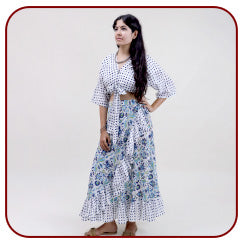
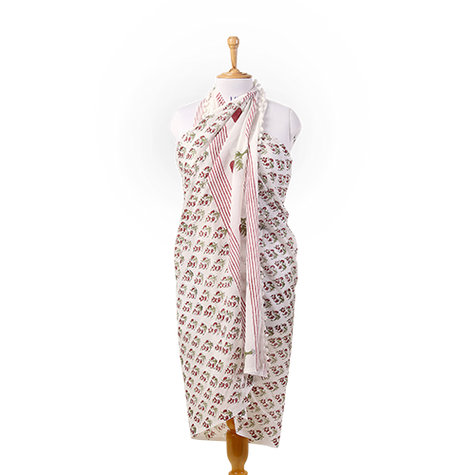
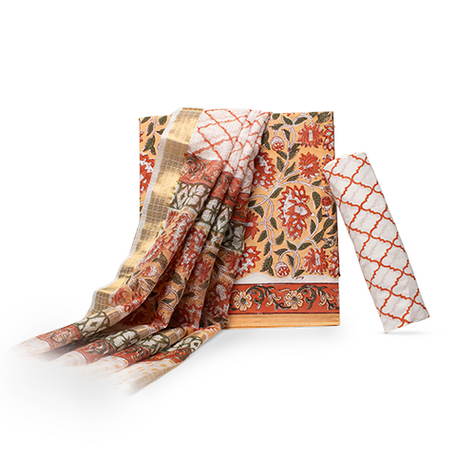
I’ve spent countless hours watching artisans in the dusty outskirts of Sanganer and Bagru. The rhythm of the wooden block hitting the fabric is hypnotic. When you see a Pure cotton hand block print fabric, you're seeing a human heartbeat translated into ink. In an age where everything is being generated by algorithms, these imperfect prints are the ultimate luxury.
No two meters are ever exactly the same. That slight smudge? That’s the artisan’s thumbprint. That’s the soul of the garment.
Popular Hand Block Print Styles:
- Sanganeri Prints: Known for those crisp, delicate floral motifs on white or off-white Cambric. It’s the quintessential look for a professional summer suit material.
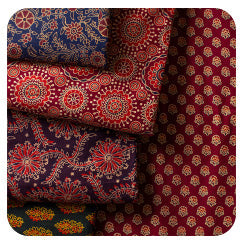
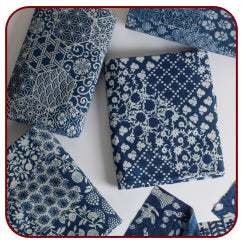
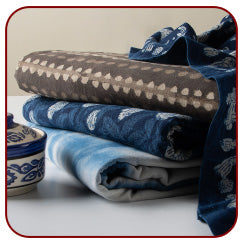
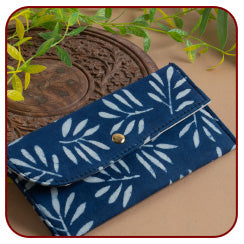
- Bagru & Dabu: These are earthy, deep, and indigo-heavy. These utilize natural dyed cotton fabrics that actually reflect UV rays better than bright, chemical synthetics.
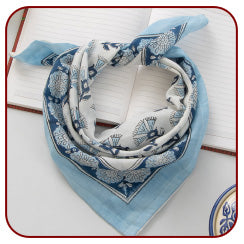
- Styling Tip: I love using these for scarves, stoles, or even bandanas to break up a monochrome linen outfit. It adds a touch of Jaipur’s heritage to even the most modern western silhouette.
Linen – Lightweight and Luxurious
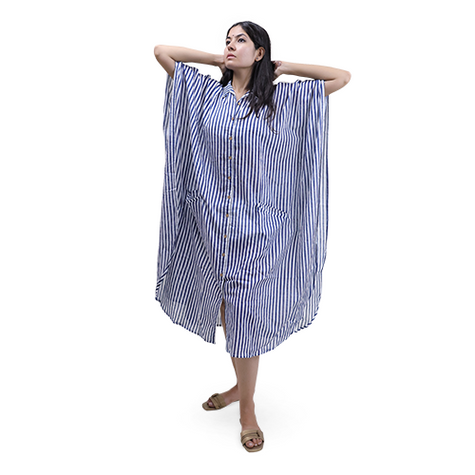
Linen is the undisputed aristocrat of the summer wardrobe. Yes, it wrinkles. I say: embrace the wrinkles. In 2026, those creases are a sign of authenticity. It’s the fabric of "slow living." It tells the world you have the time to care about quality, even if you don't have the time to iron.
Benefits of Linen Fabric:
- The Cool Touch: Linen is a high-grade heat conductor. It actually feels cold when you first put it on.
- Thirsty Fibers: It can absorb up to 20% of its own weight in moisture before it even starts to feel "damp."
- Longevity: A linen co-ord set from DMAASA is an investment. It’s one of the strongest natural fibers on the planet—it gets softer with every single wash, unlike cotton which eventually thins out.
Mulmul Cotton – Feather-Light Comfort
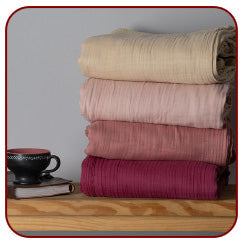
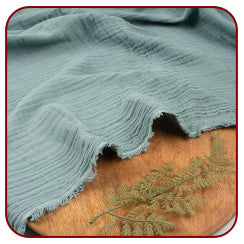
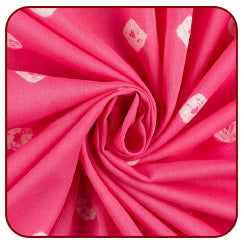
If I had to pick one fabric to live in for the rest of my life, it would be Mulmul (or Malmal). We call it "woven air" for a reason. Once the choice of Mughal royalty, it was so fine that a whole sari could fit through a wedding ring. Today, it’s the secret weapon for anyone surviving a 45-degree Celsius day in Delhi.
Why Mulmul Is Trending in 2026:
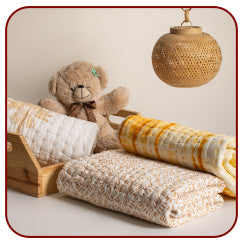
It’s weightless. Truly. Whether it's a pant top set or a baby quilt for a newborn, the sensation against the skin is nearly nothing. I’ve seen it used beautifully in layered co-ord sets recently—you get the drama and the volume without the suffocating heat. It’s nostalgia you can wear, updated for the 2026 aesthetic.
Shibori & Tie-Dye Cotton Fabrics
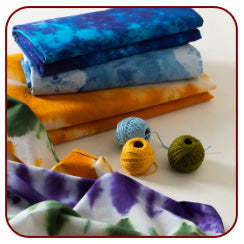
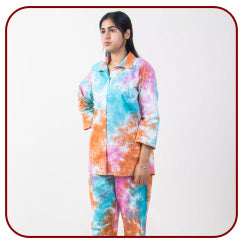
Look at the deep, aquatic indigos on the DMAASA website. Shibori isn't just a trend; it's a visual cooling mechanism. Psychologically, those watery blues and crisp whites lower the temperature of a room. It reminds the brain of water, of shade, of the ocean.

Why Choose Shibori for Summer:
- Textural Depth: The folding and binding process creates a natural crinkle in fabrics like Voile, meaning less clinging to your body.
- Versatility: A Shibori stole or bandana is the easiest way to add an "artisanal" edge to a basic white tee. It’s fashion that doesn't try too-hard.
Sustainable & Natural Dyed Fabrics
We’re moving back to our roots—literally. We’re talking about madder root, indigo leaves, and pomegranate rinds. Sustainable fabrics for summer dresses are no longer a "niche" choice for activists; they are the gold standard for the modern consumer. Natural dyes react differently to the sun—they don't fade into that ugly, dull grey that chemical dyes do. They age like a fine wine.
Advantages of Natural Dyed Fabrics:
- Non-Toxic Glow: They don't bleed heavy metals into your pores when you sweat.
- The Patina: They develop a unique character over time. They tell the story of the sun they were dried in.
- Eco-Logic: When you wash these at home, you aren't flushing microplastics or toxic dyes into our rivers.
Best Fabrics for Different Summer Dress Types
I get asked this constantly: "How do I look professional without melting?" or "What’s the best fabric for a summer wedding?" Here is my definitive 2026 breakdown for every occasion.
- For Kurtis & Daily Wear: Stick to Linen or Cotton Slub. Linen gives you that "boss-lady" structure for the office, while Slub Cotton with its slightly uneven, textured weave, is incredible for hiding the inevitable sweat marks of a commute. It’s rugged, it’s breathable, and it looks better as the day goes on.
- For Anarkali & Suit Sets: It has to be Mulmul Cotton. You want that "ghera" to float behind you like a cloud. Using a heavier fabric for an Anarkali in the summer is a mistake you only make once. Mulmul gives you that ethereal, royal movement while keeping you absolutely chilled.
- For Western Summer Dresses: Organic Cotton or Satin Cotton. The latter has this subtle, expensive-looking sheen that makes a simple midi-dress look like high fashion. It’s my go-to for those sunset dinners where the air is still warm but the vibe is upscale.
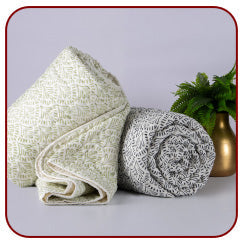
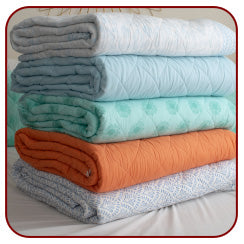
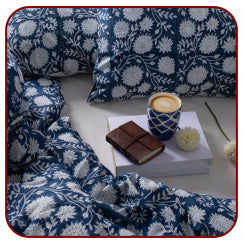
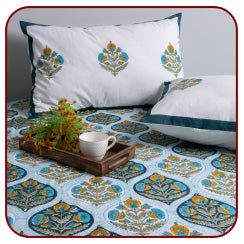
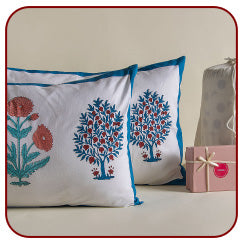
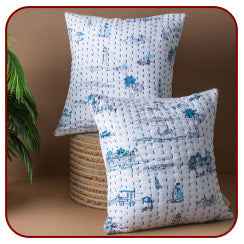
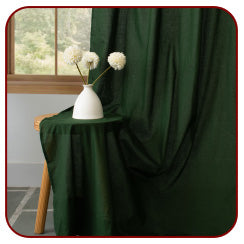
- Embrace a relaxed, lifestyle-inspired feel with this versatile fabric. Our dohar blankets and cushion covers crafted from it can instantly turn any bedroom into a calm and comfortable retreat. When you sleep under a DMAASA Malmal dohar, you’ll never go back to synthetic fleece. Even our bedsheets, duvet covers, and pillow covers are chosen for their "cool-touch" properties.
Why DMAASA Fabrics Are Perfect for Summer 2026

We don't just "make" clothes at DMAASA. We curate a relationship between the wearer and the craft. Based in the heart of Rajasthan, we live and breathe the heat—literally. We know which weave works and which one fails when the sun is at its zenith. Our fabrics are "Indian-only," meaning we support the local weavers and farmers who have spent generations perfecting cotton.
What Makes DMAASA Special:
Whether it’s our suit material or our co-ord sets, we prioritize the "hand-feel." We refuse to use harsh industrial softeners that coat the fibers in wax. We let the cotton speak for itself. We believe that if a fabric is made with respect, it treats the wearer with respect.
Summer Fabric Trends to Watch in 2026
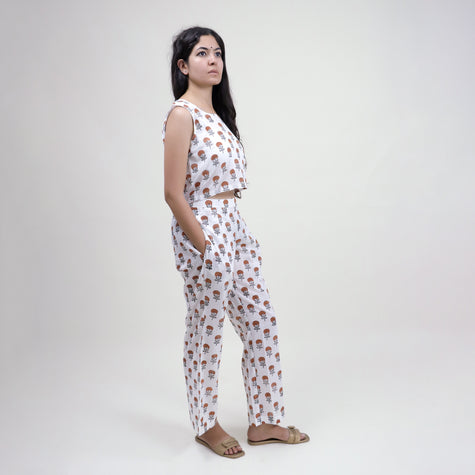
- The Artisan Coord: Matching pant top sets in bold, oversized Shibori or Hand block print patterns. It’s the 2026 version of the power suit.
- Raw Neutrals: Unbleached Satin Cotton that celebrates the natural cream color of the cotton boll. It’s minimalist and incredibly sophisticated.
- Multi-use Accessories: Bandanas and scarves used as hair wraps to protect from UV damage, or tied onto bags for a pop of color.
- Heritage Bedding: We’re seeing people use Malmal for everything—not just clothes, but pillow covers and stoles—because the comfort is unmatched.
The Science of Staying Cool: Beyond the Surface
I want to dive deeper into why we choose specific weaves like Voile and Muslin. It’s about the "count." The higher the thread count in a fine summer cotton, the more air pockets are created. These pockets act as insulators. It’s a common misconception that "thinner is better." Actually, a well-woven Muslin provides a barrier against the external heat while letting your body heat escape.
At DMAASA, we balance the weight. Our Canvas and Drill for summer trousers are sturdy enough to look tailored but woven loosely enough to ensure you aren't trapped in heat. This is the technical mastery of Indian textiles that we bring to the global stage in 2026.
Final Thoughts
Summer 2026 isn't about surviving the heat; it’s about thriving in it. It’s about a return to the tactile, the sensory, and the sustainable. It’s about feeling the weave of the Muslin, the weight of the Linen, and the soul of the Hand block print.
At DMAASA, we believe that when you dress in harmony with nature, you don't just look better - you feel liberated.
FAQs
What are the best fabrics for summer dresses in 2026?
The "Big Three" remain Organic cotton, Linen, and Mulmul. In 2026, we’re also seeing high demand for Satin Cotton and Slub Cotton for their unique textures.
Why is organic cotton ideal for summer wear?
It’s chemical-free, meaning the pores of the fabric are open and ready to wick away moisture. It’s the ultimate choice for eco-friendly fashion 2026.
Are sustainable fabrics trending in 2026?
More than ever. Consumers are choosing natural dyed cotton fabrics over synthetic dyes because they are kinder to the skin and the planet.
Which fabrics help keep the body cool in summer?
Anything lightweight and natural. Voile, Muslin, and Malmal are essentially wearable air-conditioning.
Can hand block print fabrics be used for summer dresses?
Absolutely. They are usually printed on premium Cambric or Mulmul, making them perfect for stylish, breathable summer silhouettes.
Where can I buy sustainable summer fabrics online?
Right here at dmaasa. We specialize in high-quality, authentic Indian cotton that supports local artisans.
Are DMAASA fabrics suitable for daily summer wear?
They are designed specifically for it. From our suit material to our co-ord sets, everything is tested for the reality of an Indian summer.
Also Read: Sustainable Fabrics for Summer Apparel Brands: A Smart & Stylish Choice | Top 5 Sanganeri Print Outfits Perfect for Festive Seasons | The Art of Sanganeri Hand Block Printing: History and Heritage | Top Summer 2026 Fabric Trends Every Fashion Brand Must Know | Cotton Slub Fabric for Summer: Comfort, Style and Uses | 10 Ways to Style Your Home with Jaipur Block Print Fabrics |