





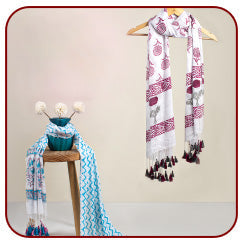
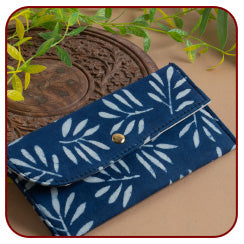
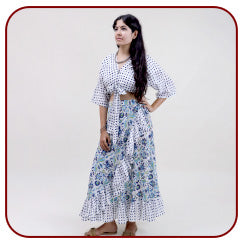
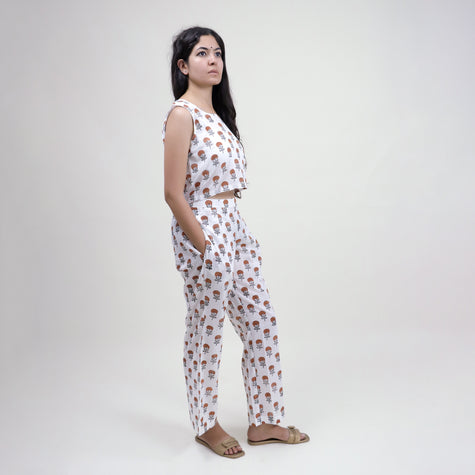
Introduction: What is Sanganeri Hand Block Printing?
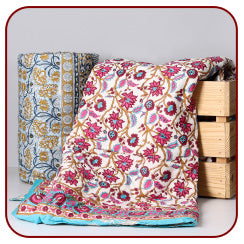
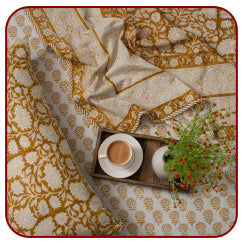
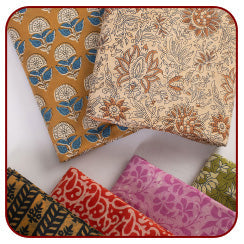
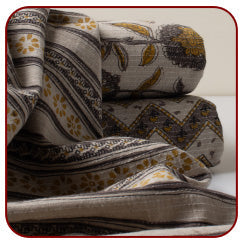
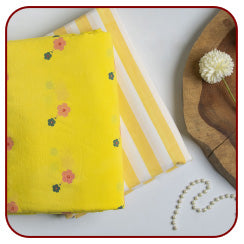
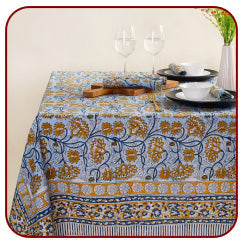
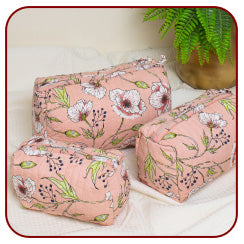
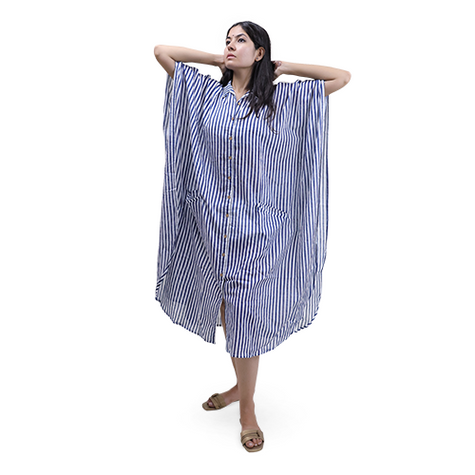
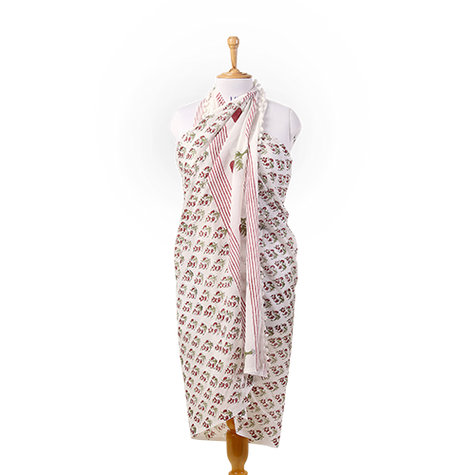
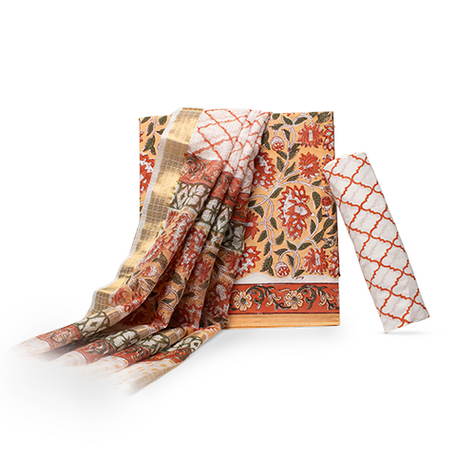
In the heart of Rajasthan, India, a tradition of unparalleled artistry flourishes: Sanganeri hand block printing. More than just a craft, it's a lyrical dance between wood and fabric, a legacy passed down through generations. This technique transforms plain cotton, linen, silk, and georgette into a canvas of intricate beauty. What sets Sanganeri prints apart is their delicate elegance, known for fine lines, small, detailed motifs, and a graceful flow of floral and botanical patterns. Owning a Sanganeri-printed piece is an acquisition of history, a slice of cultural heritage that connects you to the vibrant soul of India.
The Origin of Sanganeri Printing in Rajasthan
The journey of Sanganeri block printing begins in the quaint town of Sanganer, on the outskirts of Jaipur. The craft’s roots stretch back several centuries, truly flourishing in the 16th and 17th centuries. Artisans, originally from other parts of the country, migrated to Sanganer, drawn by the clean, abundant water of the local river, which was ideal for preparing fabrics. This unique environmental advantage, combined with royal patronage, allowed the craft to reach new heights. The artisans, or 'Chhipas', became master storytellers, their blocks carving out narratives of flora, fauna, and geometric precision, laying the foundation for a legacy celebrated globally.
The Influence of Mughal & Rajput Eras on Sanganeri Prints
The artistic landscape of Sanganeri block printing was profoundly shaped by two dominant forces: the opulence of the Mughal Empire and the regal aesthetic of the Rajput kingdoms. From the Mughals, Sanganeri prints adopted a refined sense of detail and a love for complex, Persian-inspired motifs, like floral sprigs and jali-like patterns. The Rajput influence infused the prints with the vibrant spirit of Rajasthan, bringing bold colors and the depiction of local nature, such as peacocks. This fusion of powerful artistic traditions resulted in a unique visual language, combining Mughal finesse with Rajput vibrancy.
Traditional Motifs and Designs in Sanganeri Block Printing
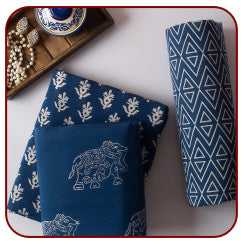
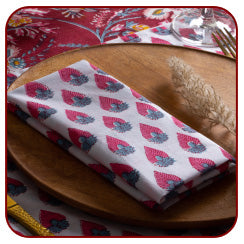
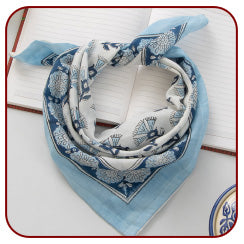
A Sanganeri-printed fabric is a visual encyclopedia of traditional motifs. The most beloved are the delicate floral patterns, particularly the "buti" (small flower) and "boota" (larger motif). Other common motifs include:
- Bail: A flowing, continuous border of a vine or creeper.
- Buta: An elaborate single floral motif.
- Chirri: Small, bird-like motifs for a whimsical touch.
- Jal: A net or trellis pattern covering the fabric.
- Geometrical Patterns: Fine lines, dots, and various shapes providing structure.
These motifs are symbols imbued with meaning, reflecting the artisan's connection to nature and heritage.
The Craftsmanship: Tools, Blocks, and Dyes
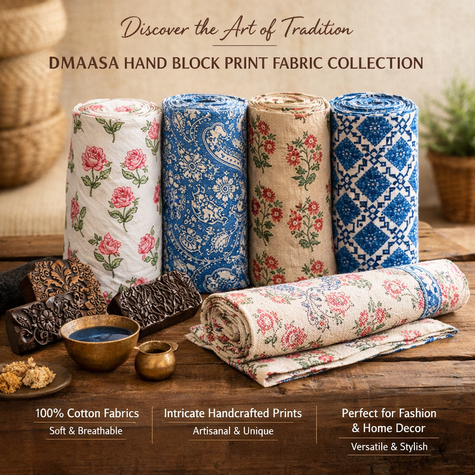
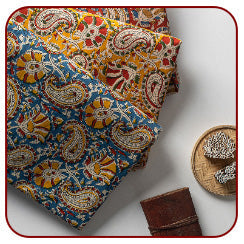
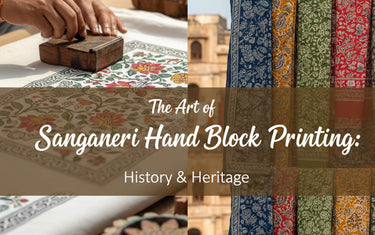
The magic of Sanganeri printing lies in the master craftsman’s hands. The process begins with intricate carving of wooden blocks, each a miniature sculpture. The fabric is pre-treated and stretched. The artisan dips the carved block into a tray of mineral dyes and stamps it onto the fabric with rhythmic pressure. This tireless, precise process, block by block, color by color, results in a beautiful, seamless design. While we do not use extremely natural dyes, our commitment to the traditional process ensures a high-quality, long-lasting print.
Why Sanganeri Prints Are Celebrated Worldwide
Sanganeri prints have transcended their regional origins to captivate a global audience. Their timeless aesthetic appeals to a sophisticated palate, offering a refreshing alternative to mass-produced designs. There is a growing appreciation for handcrafted products that tell a story. In a world of fast fashion, Sanganeri prints represent slow, mindful creation. The versatility of these prints makes them ideal for a variety of products, adding a touch of quiet luxury and a powerful statement of style.

Sanganeri Printing in Modern Fashion & Home Decor
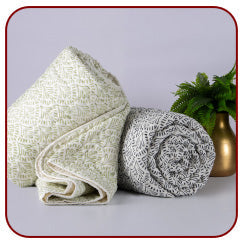
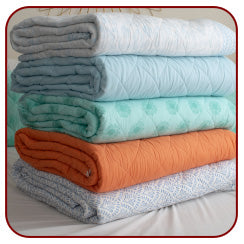
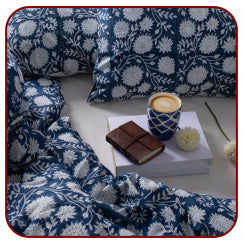
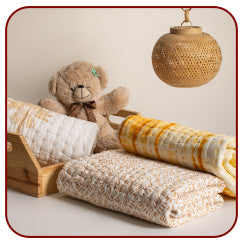
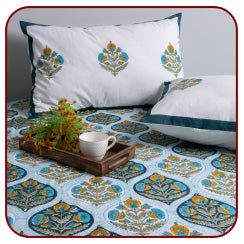
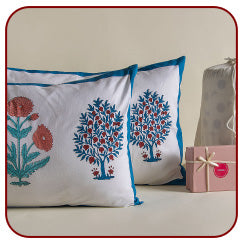
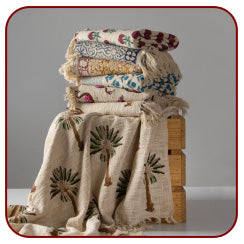
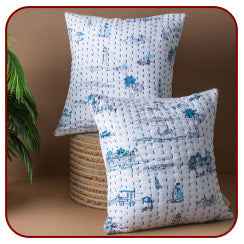
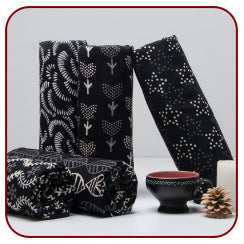
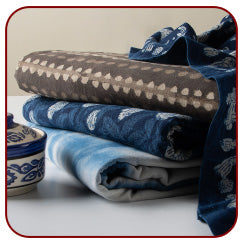
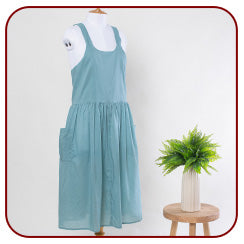
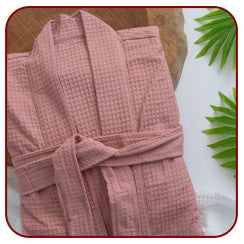
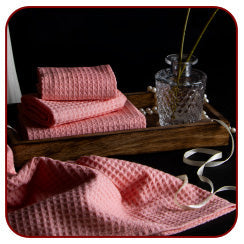
The delicate charm of Sanganeri prints makes them a versatile choice for both fashion and home decor. For the home, they can transform a space into a serene sanctuary. Imagine a bedroom adorned with a Sanganeri cotton bedsheet, its fine floral motifs creating a calm atmosphere. Pair it with a matching duvet cover and pillow covers for a cohesive look. For everyday luxury, a Sanganeri dohar blanket draped over a sofa invites cozy moments. A set of cushion covers in a contrasting Sanganeri print can add a pop of character.
Preserving the Heritage: The Role of Artisans & Brands like Dmaasa
The legacy of Sanganeri hand block printing is a living tradition, sustained by the tireless dedication of its artisans. Dmaasa is committed to preserving this invaluable heritage by partnering directly with the artisans of Sanganer. By providing a platform for their work and ensuring fair compensation, we help sustain their craft. Our collection celebrates their skill, bringing the authenticity of Sanganeri to a global audience.
Conclusion: Keeping the Legacy Alive
Sanganeri hand block printing is a cultural treasure, a living testament to human capacity for beauty and precision. From the royal courts of Rajasthan to the global stage, its journey is a fascinating narrative. By choosing a Sanganeri-printed product, you are not just acquiring an item of beauty; you are participating in a timeless tradition, helping to keep a legacy alive.
FAQ
What is unique about Sanganeri hand block printing?
It is unique for its fine, intricate lines and delicate floral motifs, often on a light background.
Where did Sanganeri printing originate?
It originated in Sanganer, near Jaipur in Rajasthan, India.
What motifs are common in Sanganeri block printing?
Common motifs include delicate floral patterns (buti), bootas, creepers (bail), and intricate geometric designs.
Are natural dyes still used in Sanganeri printing today?
While some traditional methods still use natural dyes, many modern workshops use a combination of safe, vibrant dyes that are more durable and colourfast.
How is Sanganeri printing different from Bagru printing?
Sanganeri is known for its fine lines on a light background. Bagru printing uses a different method and is known for bold, darker colours on a dark background.
Can I buy authentic Sanganeri block print fabrics online?
Yes, authentic products made by skilled artisans are available from websites like Dmaasa.
Why is Sanganeri hand block printing considered eco-friendly?
It is a manual process that requires minimal use of machinery and energy, making it a more sustainable textile production method.
How is Dmaasa contributing to preserving Sanganeri heritage?
Dmaasa partners directly with Sanganeri artisans, providing a platform to sell their work and ensuring fair practices to sustain their craft.
Also Read: Why Dmaasa’s Sanganeri Print Collection Stands Out | Where to Buy Authentic Jaipur Block Print Fabric Online | From Jaipur to Your Doorstep: The Journey of Block Printed Fabric Online | Cotton Slub Fabric for Summer: Comfort, Style and Uses | Top Summer 2026 Fabric Trends Every Fashion Brand Must Know |