



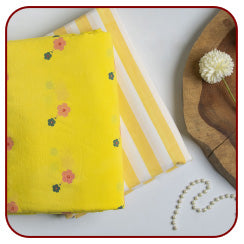
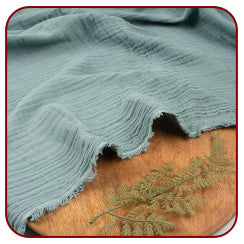
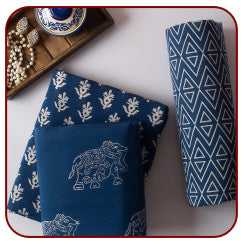
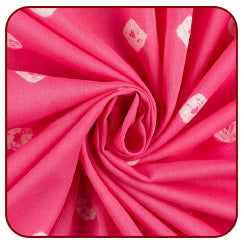

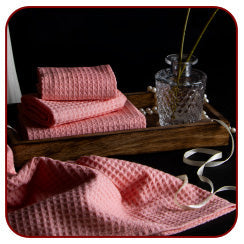
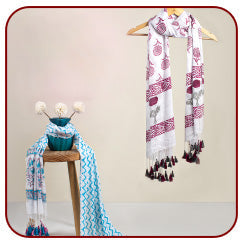
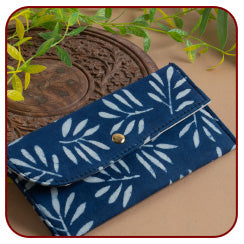
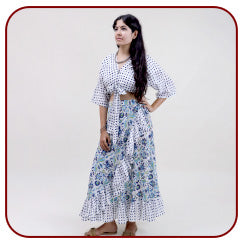
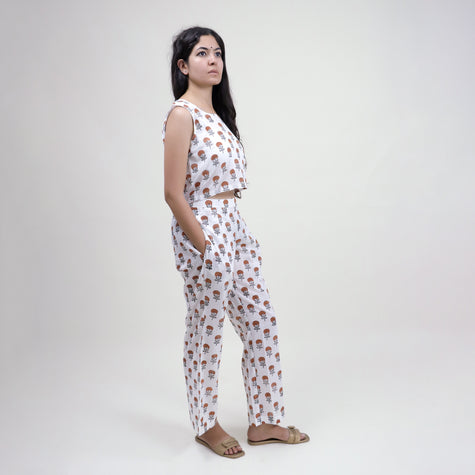
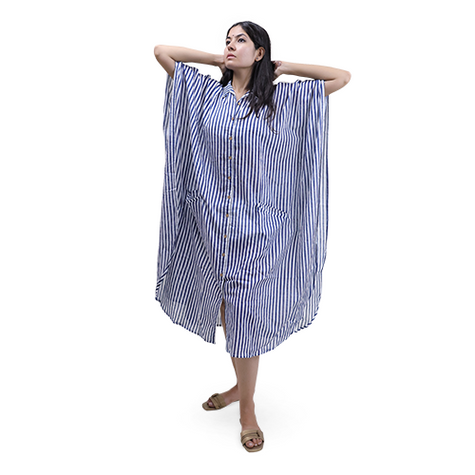
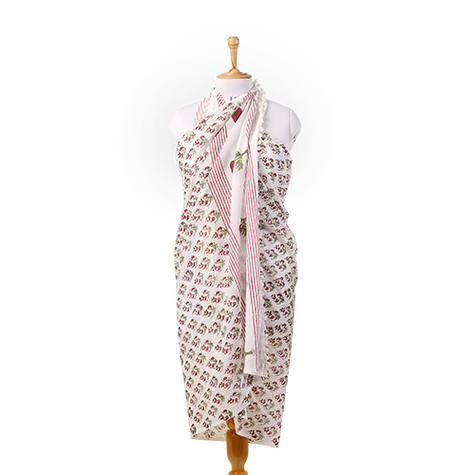
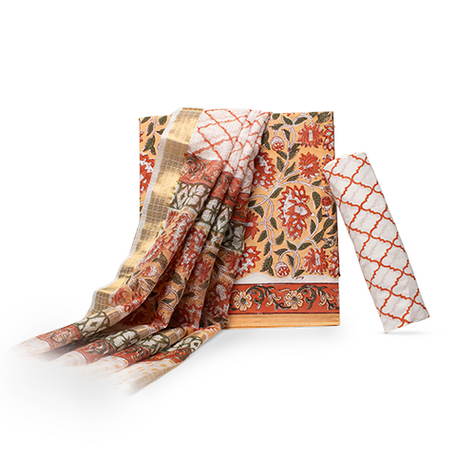
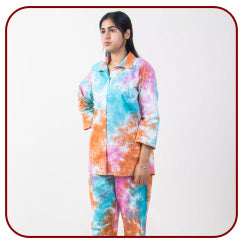

The global fashion industry is evolving rapidly, and Summer 2026 fabric trends are shaping how designers, manufacturers, and fashion brands create lightweight, breathable, and sustainable collections. From eco-friendly textiles to innovative fabric textures, the upcoming season focuses on comfort, performance, and responsible production.
For fashion brands and designers, understanding these fabric trends helps improve product quality, enhance customer satisfaction, and stay competitive in the fast-changing apparel market. Leading textile providers like DMAASA are already aligning their materials with these emerging summer fabric trends.
This guide explores the top fabric trends for Summer 2026, their benefits, applications, and why they matter for fashion businesses.
Why Summer 2026 Fabric Trends Matter for Fashion Brands

Summer collections require fabrics that deliver:
- Maximum breathability and moisture control
- Lightweight comfort for hot climates
- Sustainable and eco-conscious production
- Soft texture and durability
- Modern aesthetic appeal
Consumers are increasingly prioritising comfort, sustainability, and quality, making fabric selection a crucial factor in fashion design and brand positioning.
Top Summer 2026 Fabric Trends
1. Lightweight Cotton Fabrics
Cotton continues to dominate summer fashion due to its natural breathability and comfort. In Summer 2026, lightweight cotton variations are trending strongly.
Key features:
- Soft and breathable texture
- Excellent moisture absorption
- Comfortable for daily wear
- Skin-friendly and hypoallergenic
Popular cotton types include:
- Cotton slub fabric
- Organic cotton
- Cotton voile
- Cotton muslin
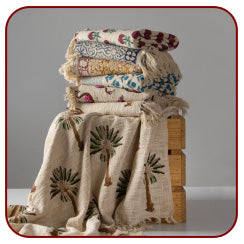
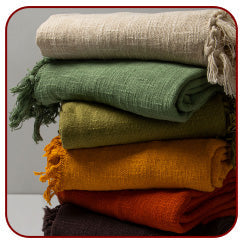
Cotton slub fabric is particularly popular for its textured appearance and stylish natural finish, making it ideal for modern summer clothing.
2. Sustainable and Eco-Friendly Fabrics
Sustainability is no longer optional — it is a global fashion standard. Summer 2026 emphasizes environmentally responsible textiles.
Trending sustainable materials:
- Organic cotton
- Recycled fibers
- Bamboo fabric
- Tencel and modal
- Low-impact dyed textiles
These fabrics reduce environmental impact while offering comfort and durability.
3. Breathable Linen and Linen Blends
Linen remains one of the most preferred summer fabrics due to its cooling properties and elegant look.
- Why linen is trending:
- Exceptional airflow
- Natural temperature regulation
- Durable and long-lasting
- Premium summer aesthetic
Linen blends with cotton are especially popular for improving softness while maintaining structure.
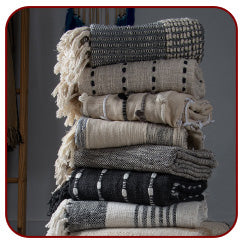
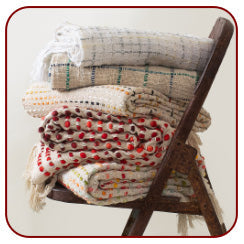
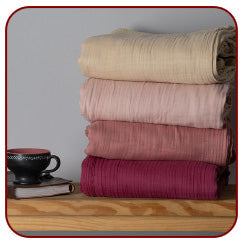
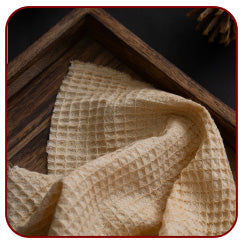
4. Textured Fabrics and Natural Finishes

Fashion designers are embracing fabrics with visible texture and natural irregularities.
Trending textures:
- Slub textures
- Crinkled fabrics
- Wrinkled natural finishes
- Raw woven effects
These textures add uniqueness, depth, and premium appeal to garments.
5. Performance and Functional Fabrics
Modern consumers demand more than style — they want functionality.
Performance features in demand:
- Moisture-wicking technology
- Anti-bacterial properties
- UV protection
- Wrinkle resistance
- Easy maintenance
These fabrics are widely used in casual wear, travel clothing, and active summer fashion.
6. Sheer and Lightweight Layering Fabrics
Layering is becoming popular even in summer fashion, using ultra-lightweight textiles.
Examples include:
- Cotton voile
- Organza blends
- Lightweight mesh fabrics
- Transparent overlays
These fabrics create stylish silhouettes while maintaining comfort.
| Fabric Type | Key Benefits | Best Uses | Sustainability Level |
|---|---|---|---|
| Cotton Slub Fabric | Breathable, textured, lightweight | Dresses, shirts, casual wear | High |
| Organic Cotton | Chemical-free, soft, eco-friendly | Premium apparel | Very High |
| Linen | Cooling, durable, natural look | Summer wear, formal garments | High |
| Bamboo Fabric | Anti-bacterial, soft, sustainable | Activewear, loungewear | Very High |
| Performance Fabrics | Moisture control, UV protection | Sportswear, travel wear | Medium |
| Cotton Voile | Sheer, lightweight, breathable | Layered outfits, summer dresses | High |
This comparison helps fashion brands choose the right fabric based on performance, sustainability, and design goals.
How Fashion Brands Can Use Summer 2026 Fabric Trends

For Apparel Manufacturers
- Improve product performance and comfort
- Increase customer satisfaction
- Reduce environmental impact
For Fashion Designers
- Create modern and breathable collections
- Experiment with textures and layering
- Enhance garment aesthetics
For Retail Brands
- Meet growing consumer demand for sustainability
- Build premium brand identity
- Offer season-appropriate collections
Why Fashion Brands Trust DMAASA Fabrics
When selecting summer fabrics, quality and consistency are essential. DMAASA focuses on premium textile production aligned with global fashion trends.
Premium Fabric Quality
High-quality cotton and natural fibres ensure long-lasting performance and comfort.
Breathable Summer Materials
Designed for warm climates and superior airflow.
Consistent Manufacturing Standards
Reliable fabric quality for designers and apparel manufacturers.
Sustainable Textile Solutions
Environmentally responsible fabric production.
Versatile Applications
Suitable for fashion, casual wear, and designer collections.
These features make DMAASA a trusted choice for fashion brands preparing Summer 2026 collections.
Future Outlook: The Direction of Summer Fabrics
The future of summer textiles will focus on:
- Sustainable production methods
- Biodegradable fibers
- Smart performance textiles
- Natural textures and finishes
- Comfort-driven design
Fashion brands that adopt these trends early will gain a strong competitive advantage.
Conclusion
Summer 2026 fabric trends highlight a strong shift toward sustainability, breathability, and functional performance. Lightweight cotton, textured fabrics, eco-friendly materials, and advanced performance textiles are shaping the future of fashion.
For fashion brands, choosing the right fabrics is essential for delivering comfort, style, and environmental responsibility. Working with reliable textile providers like DMAASA helps brands stay ahead in the competitive fashion industry while meeting evolving consumer expectations.
Frequently Asked Questions
1. What are the most popular Summer 2026 fabric trends?
The most popular Summer 2026 fabric trends include lightweight cotton fabrics, sustainable textiles, linen blends, textured fabrics, performance materials, and breathable layering fabrics.
2. Why is cotton slub fabric trending in summer 2026?
Cotton slub fabric is trending because of its breathable texture, lightweight comfort, natural appearance, and suitability for summer clothing.
3. Which fabric is best for hot weather clothing?
Cotton, linen, bamboo, and lightweight natural fabrics are best for hot weather due to their breathability and moisture absorption.
4. Why is sustainability important in summer fabric trends?
Sustainability reduces environmental impact, supports ethical production, and meets consumer demand for eco-friendly fashion products.
5. How can fashion brands choose the right summer fabric?
Fashion brands should consider breathability, comfort, durability, sustainability, and garment application when selecting summer fabrics.
6. Why choose DMAASA fabrics for summer collections?
DMAASA provides high-quality, breathable, and sustainable fabrics with consistent production standards suitable for fashion brands and designers.
7. What industries use summer fabric trends?
Summer fabric trends are widely used in fashion, apparel manufacturing, retail clothing brands, and textile production industries.
Also Read: Cotton Slub Fabric for Summer: Comfort, Style and Uses | Caring for Jaipur Block Print Fabrics: Washing and Maintenance Tips | 10 Ways to Style Your Home with Jaipur Block Print Fabrics | Best Fabric for Summer: Soft, Breathable Organic Cotton for All-Day Comfort |