


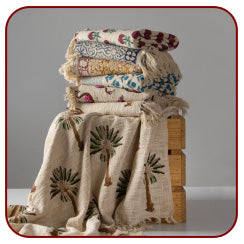

The Beauty of Hand Block Prints
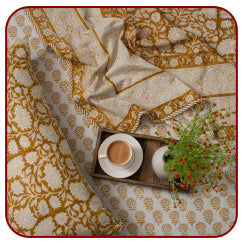
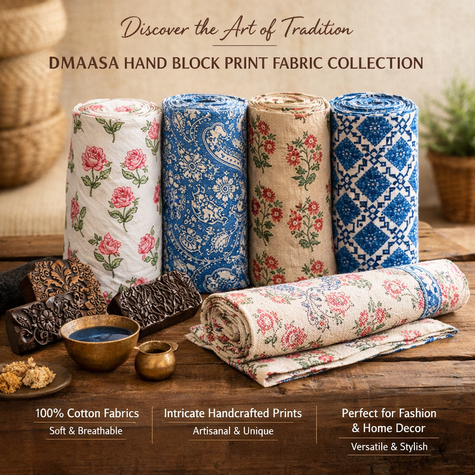
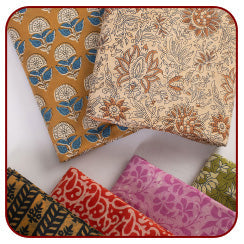
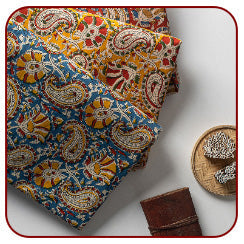
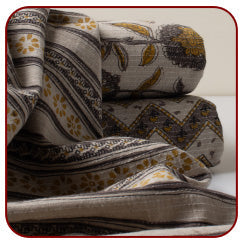
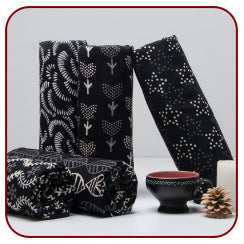
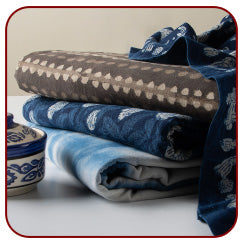
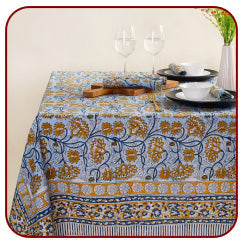
In an age of rapid production and flawless digital prints, there exists a world of textile art that celebrates the exquisite beauty of the human touch. Originating in India, the ancient craft of hand block printing is a tribute to patience, expertise, and a rich cultural legacy. Artisans use carefully carved wooden blocks to stamp intricate designs onto fabric, transforming each piece into a distinctive work of art that tells its own story. Imagine a soft, breathable, pure cotton fabric, a simple canvas brought to life with the careful tap-tap of a block dipped in vibrant, natural dyes.
This art form, however, is not without its modern-day imitations. As the global appreciation for authentic hand block print fabric grows, so too does the prevalence of machine-printed forgeries. For the connoisseur, the distinction is clear, found in the subtle imperfections and the inherent character of a genuine piece. To truly own a part of this legacy, one must learn to discern the real from the replicated.
Why Authenticity Matters
The appeal of genuine hand block prints transcends aesthetics. When you acquire an authentic piece, you are not merely purchasing a beautiful textile; you are preserving a legacy. This ancient craft provides a sustainable livelihood for thousands of artisan families in regions like Jaipur, Sanganer, and Bagru, safeguarding age-old traditions and eco-conscious practices.
Authentic handmade block print fabric India is often created using natural dye hand block prints, making them an eco-friendly printed fabric. The use of vegetable and mineral-based dyes is kind to both the environment and your skin. Celebrating slow fashion, these artisan-made printed textiles are the very essence of conscious consumption, prioritizing quality and craftsmanship over fleeting trends.

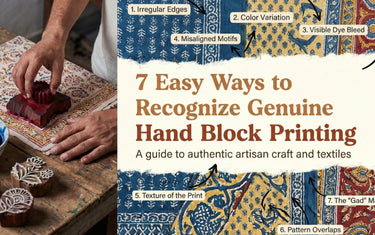
7 Ways to Identify Authentic Hand Block Printed Fabrics
- The Imperfection is the Proof: This is the cardinal rule of hand block printing. Unlike the rigid, flawless repetition of machine prints, a genuine piece will have slight, endearing imperfections. Look for minor overlaps, tiny gaps, or a faint smudges where the artisan placed the block. Rather than being flaws, these marks are the unique "fingerprints" of the human hand, a signature of true craftsmanship.
- The Backstory of the Fabric: Examine the reverse side of the textile. On a genuine hand block printed fabric, the color will likely have bled through to the back, though the print will be less defined. This is particularly true for delicate fabrics like pure cotton hand block print fabric. Machine-printed imitations, by contrast, often have a stark white or un-dyed back, as the ink is simply applied to the surface.
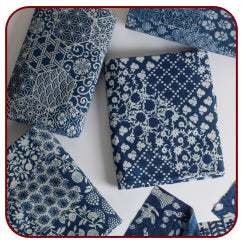
- The Scent of Tradition: The faint, earthy scent of the fabric is a genuine sign of its authenticity. Traditional prints, especially those from Bagru, often use natural dyes like indigo and vegetable pigments. This delicate aroma, a direct result of the dyeing process, is a sensory connection to the craft itself and a hallmark of its authenticity.
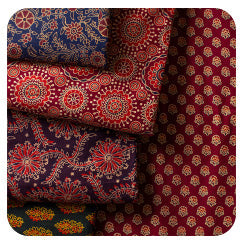
- Color Vibrancy and Depth: Genuine hand block prints, especially those using natural dyes, possess a remarkable richness and depth of color. The dye is fully absorbed into the fibres, creating a nuanced and vibrant hue that is difficult to replicate. Machine prints often appear flat and one-dimensional by comparison. The soft, almost muted tones characteristic of a Jaipur hand block print fabric are a perfect example of this natural depth.
- Feel the Fiber, Know the Art: The base fabric for authentic hand block prints is almost always a high-quality, natural material like cotton or silk. Our block-printed cotton textiles are incredibly soft and feel luxurious. This tactile quality directly reflects the artistry. Unlike these authentic creations, imitations are often printed on stiff, synthetic blends that lack the natural flow and breathability of genuine fabric.
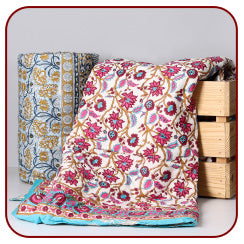
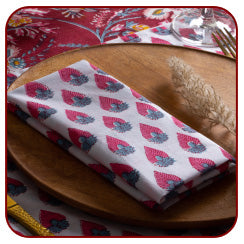
- The Unique Motif Placement: Due to the manual, unguided process, the motifs on a genuine hand block print will not be perfectly aligned in a rigid grid. You might notice slight differences in the spacing of the patterns. This is particularly noticeable in repeating designs, such as the intricate patterns on a Sanganeri block print fabric. Each motif is placed individually, resulting in these charming, one-of-a-kind shifts.
- The Price and Provenance: True craftsmanship commands a price. The intensive, skilled process of traditional block printing techniques—from hand-carving the blocks to mixing natural dyes—requires significant time and labour. As a result, genuine authentic hand block print fabric will be priced higher than a mass-produced, machine-made alternative. Transparent sellers who work directly with artisans are a reliable source.
Common Myths About Block Printing
- Myth: All block prints are flawless
- Reality: The slight imperfections are what make each piece unique and authentic.
- Myth: They are difficult to care for.
- Reality: Most pure cotton hand block print fabric is simple to care for. A gentle cold wash is often all that is needed to preserve the vibrant colours and integrity of the fabric.
Where to Buy Authentic Hand Block Prints
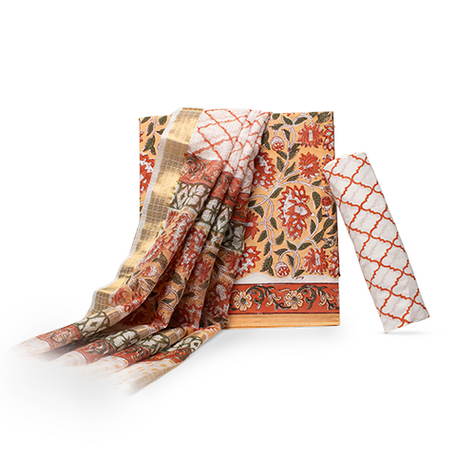
Choosing a reputable source is paramount. A brand's transparency regarding its artisans and processes speaks volumes. We are committed to providing only genuine, artisan-made products. Our collections feature a variety of exquisite textiles, from Jaipuri cotton hand block printed fabrics to elegant Cambric Mughal prints, all crafted with the highest standards.
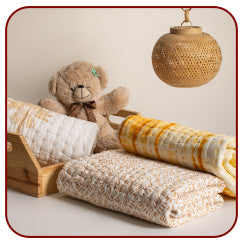
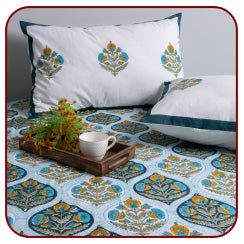
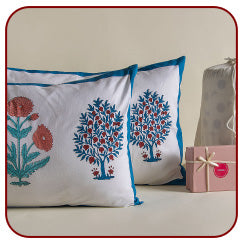
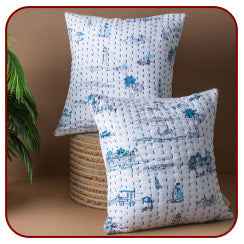
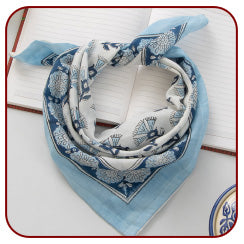
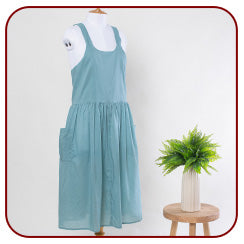
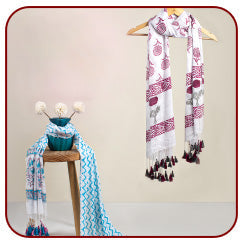
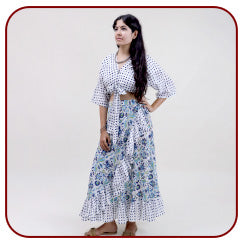
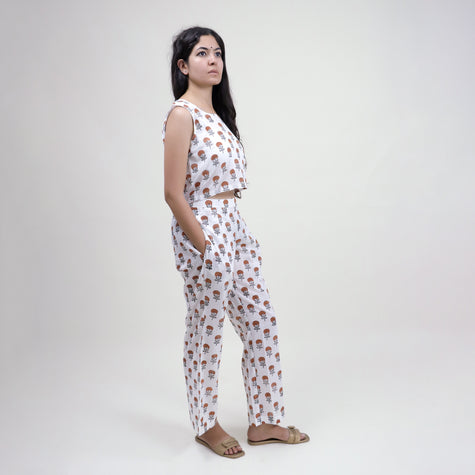
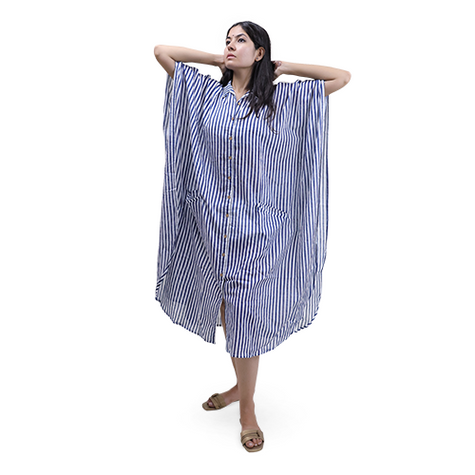
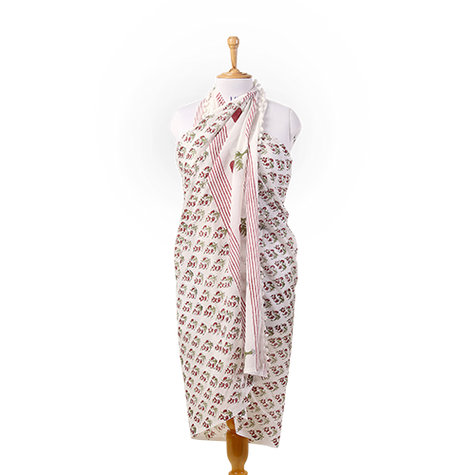
The versatility of these textiles allows for endless styling possibilities. A hand block printed dress material can be tailored into a chic summer dress or a stylish tunic. In your home, our bedsheets, duvet covers, pillow covers, and dohar blankets, made from pure cotton hand block print fabric, can instantly elevate any space, bringing a touch of traditional luxury. A hand-block-printed bandana can serve as a stylish head wrap, a neck scarf, or even a unique accessory for a handbag. The timeless beauty of these textiles ensures they can be used for both apparel and sophisticated home decor.
Conclusion: Celebrate Imperfections
In a world that values machine-made perfection, hand block printing offers a welcome return to authenticity. To recognise a genuine piece is to appreciate the human story woven into its threads—a story of artistry, heritage, and unique character. The next time you hold a piece of authentic hand-block-printed fabric, take a moment to admire its little irregularities, feel the softness of the cotton, and know that you're not just buying a product, but becoming a part of a celebrated art form.
Hand Block Printing FAQs
How do I know if fabric is hand block printed or machine printed?
Look for subtle imperfections like minor overlaps, gaps, or smudges, and check for color bleed-through on the reverse side of the fabric. Machine prints are perfectly uniform and often have a white back.
Why are authentic hand block prints more expensive?
The higher cost reflects the labour-intensive, time-consuming process. Each motif is stamped by hand, a skilled craft that cannot be automated, which supports the artisan community and preserves the tradition.
Do authentic hand block prints fade after washing?
High-quality, genuine hand block prints, especially those made with natural dyes, are durable. While some initial bleeding may occur in the first few washes, the colors are generally long-lasting and maintain their depth.
Are all block prints made with natural dyes?
No, while many traditional block printing centers use natural dyes, some artisans also use synthetic, azo-free dyes. However, the use of natural dyes is a hallmark of many authentic, eco-friendly prints.
Where are the best hand block prints made in India?
The most renowned centers for hand block printing are Jaipur, Sanganer, and Bagru in Rajasthan. Each region has its own signature styles and techniques.
Can I wash hand-block-printed fabrics at home?
Yes, most pure cotton hand block print fabric can be washed at home. It is best to wash them separately in cold water with a mild detergent to prevent any initial colour bleeding.
Relevant Blogs: Hand Block Print On Fabric | Duvet vs Comforter | Patterns in Jaipuri Razai