



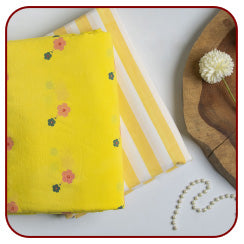
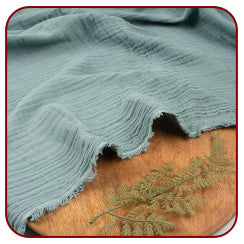
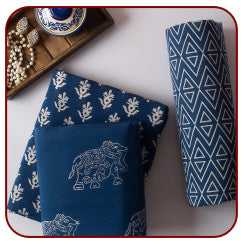
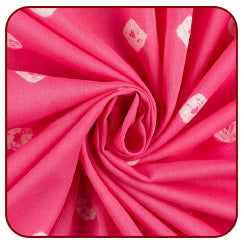

The heart of woodblock printing beats strongly in India, a tradition woven directly into the fabric of our culture. While the finest imported Japanese tools (like the Hanko Baren or Chokokuto) set a global standard, true artistic brilliance comes from mastering accessible materials. For the modern artisan in 2026, the goal is to create professional-quality work without relying on expensive, imported, or hard-to-find supplies. This approach honours the resourcefulness of our craft heritage.
This revised guide focuses on ingenious, budget-friendly alternatives and readily available materials found in major Indian cities, local craft markets, and online art stores, ensuring that your pursuit of art, like our beautiful, durable pure cotton and linen cotton textiles, is sustainable, sophisticated, and accessible.
Essential Tools: The Accessible Artisan’s Toolkit
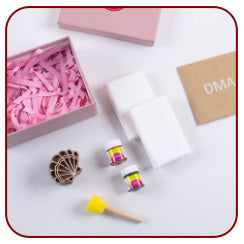
We substitute specialist tools with reliable, locally sourced alternatives that deliver exceptional results. Your toolkit is not defined by brand names, but by the performance and readiness of your blades. Buy Block Print Kit Online
1. Accessible Carving Tools: The Reliable Foundation

Instead of relying on imported sets, focus on quality, individually sourced tools that are easier to maintain and replace. This strategy ensures longevity and lower maintenance costs.
- The Utility Blade and Needle Set (High-Precision Detail): Skip the costly, fine V-Gouges initially. A heavy-duty utility knife (a sturdy Stanley or local industrial equivalent) with a fresh, sharp, breakaway blade is perfect for outlines and perimeter cuts. For creating the fine, delicate lines required in details, a simple darning needle held securely in a custom wooden handle can act as an engraving tool. Alternatively, look for the fine V-tip from an affordable, locally stocked Japanese Power Grip set.
- The Local Chisels (For Clearing): Purchase small, high-quality carpentry chisels (flat and slightly curved) from a reputable hardware store. Focus on brands known for good, reliable carbon steel. These blades, typically $5-10 each, are far more economical than art-specific U-gouges for efficiently removing large, non-printing areas. They require more frequent sharpening, but their initial cost savings are significant.
- The Power Grip Alternative: Many Indian art suppliers now carry budget-friendly carving sets, often labeled as "Japanese-Style" or Power Grip. While not premium, these sets offer a necessary variety of U and V shapes at a fraction of the cost, making them the best starting point for a novice printmaker who needs to explore different cut profiles before committing to expensive individual tools.
2. Cost-Effective Woodblocks: Local and Ready-to-Carve

Accessibility means using materials that are easy to source locally, often in large sheets, minimizing shipping and import costs. Buy Hand Block Printe Fabric Online
- Commercial Plywood (The Budget Workhorse): Forget imported Shina. Source good quality, 6mm or 9mm commercial ply (calibrated ply offers the most consistent thickness). The key is preparation: sand the surface meticulously (starting with grit 100, finishing with 220) and apply a thin coat of shellac or varnish to seal and stabilize the grain before carving. This simple step vastly improves the printing surface.
- MDF (The Smooth Option): Easily available and very economical, MDF (Medium-Density Fibreboard) offers a perfectly grainless, smooth surface ideal for graphic, large-area prints without texture. Its primary drawback is extreme water sensitivity, so it must be used exclusively with oil-based or water-washable inks, and kept scrupulously dry.
- Indian Hardwoods (The Textile Original): Easily source smaller, dense blocks of Sisam (Indian Rosewood) or Mango Wood from local carpenters. These are the traditional blocks used for printing our fine cambric cotton and muslin cotton. They are tough to carve and require constant sharpening, but they yield an authentic, gorgeous texture and are incredibly durable.
3. Inks and Pigments: Focusing on Local Quality
Prioritize inks that are archival, easy to clean, and readily stocked by regional art stores and craft suppliers.

- Fabric and Pigment Focus (For Textile Artists): Since traditional Indian printing often involves fabric, rely on high-quality screen-printing pigments and fabric binders (such as Fevicryl or specialized brands like the Pidilite range). These are formulated specifically for cotton, linen, and silk, providing excellent colour fastness that works perfectly on our organic cotton fabrics.
- Oil-Based Convenience: Opt for easily found brands like Camlin, Faber-Castell (oil paints, thinned correctly), or the globally accessible and locally stocked Speedball Relief Ink. While not as premium as Caligo, Speedball is widely available in India and provides reliable consistency and a respectable clean-up with mineral spirits or mild solvent.
- Budget Oil Paint Conversion: A highly cost-effective method is using professional-grade oil paint tubes. You can easily convert these by mixing them with refined linseed oil as a modifier for viscosity and adding a small amount of magnesium carbonate to improve 'tack' (stickiness). This provides superior pigment loading at a lower cost than dedicated printmaking inks.
4. Economical Printing Tools: The Hand-Press Imperative
The hand-printing tools must be ingenious and effective, ensuring maximum pressure transfer without a costly etching press.

- The Accessible Baren: The Kitchen Alternative: The most effective and accessible baren is often found in the kitchen. Use the back of a smooth, rounded wooden spoon or the base of a smooth, clean, heavy glass jar. For larger prints, a flat, large, polished stone or a piece of hardwood covered with soft felt can be used. The secret is consistent, small, circular pressure, not brute force.
- The DIY Brayer: While commercial soft rubber brayers (often available from local Speedball or unbranded suppliers) are ideal for large, flat-color areas, for introducing texture or applying a light secondary colour, a simple, cheap foam roller (used for house painting) is a brilliant, disposable alternative
- The Inking Slab: Source a simple, smooth piece of scrap glass (with edges taped for safety) or a piece of polished marble for your inking plate. This is readily available from local glass cutters and is superior to plastic plates as it stays flat and cool, helping to regulate ink temperature.
5. Essential Supporting Gear: Whetstones and Setup

- Sharpening Stones (The Single Most Important Tool): Invest in a single, high-quality medium-to-fine grit sharpening stone (a 1000/3000 combination water stone is ideal). This is the only piece of equipment that cannot be cheaply substituted, as it dictates the lifespan and safety performance of all your carving tools.
- Registration System: For multi-colour prints, use the affordable Ternes Burton Pins system (often available through international online resellers) or, better yet, master the traditional, zero-cost Kento registration method, which uses small, cut notches on the block edge for perfect alignment.
Mastering Techniques with Accessible Supplies
The true mark of an artisan is not in the tools they possess, but in how they adapt those tools to their intended style. By making slight modifications to technique, you can use accessible tools to achieve professional outcomes for any printing style.
For the artist pursuing Traditional Moku Hanga or Multi-Color, Layered prints, the key is supreme control over colour transparency and paper stability. Since a traditional baren is costly, you must apply pressure to the Wooden Spoon Baren very lightly and repeatedly in small circles to avoid tearing thin paper. Use highly diluted, local watercolors or thin fabric pigments to achieve the necessary transparency for layered colour effects. The smallest Power Grip V-Gouges are your most useful tools for outlines here. The resulting print, on a local Kozo or Handmade Cotton Paper, will retain that characteristic soft, atmospheric quality.
If your style leans towards Contemporary Western or Bold, Graphic prints, the priority shifts to saturation and clean clearing. Use the Utility Knife at a steep angle to create V-shaped walls in your wood/MDF block, which prevents the paper from dipping into the cleared areas. Use Linseed Oil to thin thick oil paint or ink on the glass slab, ensuring a smooth, thin roll with the Rubber Brayer for maximum, even coverage. The large, heavy-duty Carpentry Chisels are essential here for clearing large spaces quickly and efficiently.
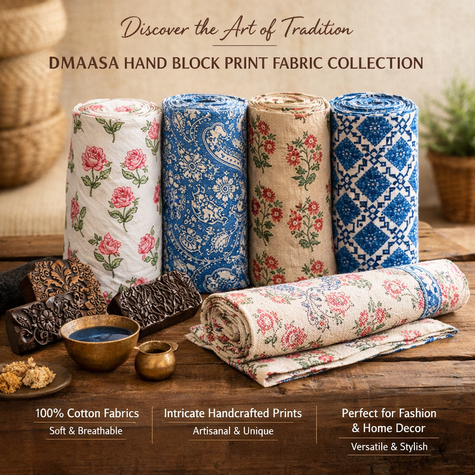
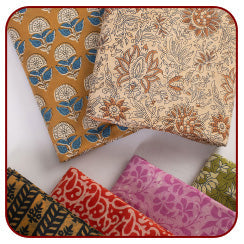
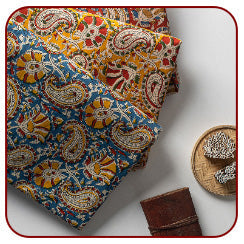
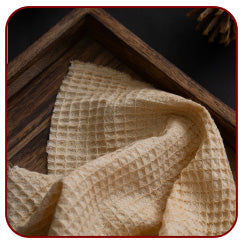
Finally, for those embracing a Textile/Hand-Block Art influence—a style that mirrors the rich textural depth of Indian fabrics—the emphasis is on the tactile and robust. Embrace the imperfections of the local Sisam/Mango Hardwood Blocks. Print on accessible, unbleached fabrics like our pure cotton or muslin. The Foam Roller can apply a slightly patchy, rustic ink layer that enhances the authentic, hand-blocked texture, giving the fabric a heritage feel. The goal is to let the wood's grain and the handmade texture shine through.
The Woodblock Aesthetic: Styling Your Art with Dmaasa's Cottons
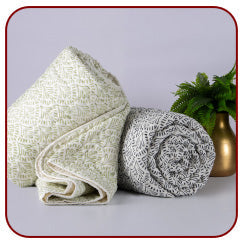
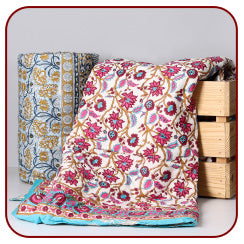
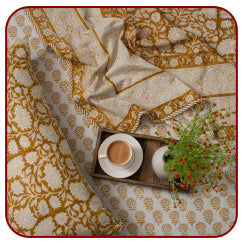
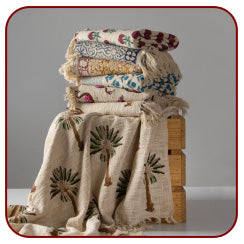
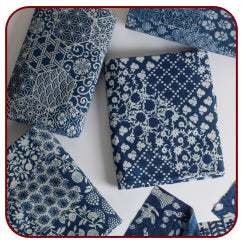
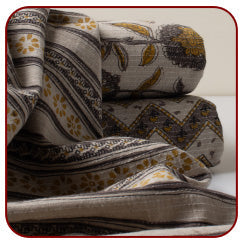
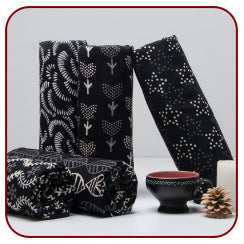
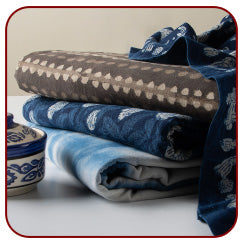
The visual language of woodblock printing—with its controlled repetition, rich pigment, and textural depth—is the very design ethos of Dmaasa's collections. The art moves seamlessly from the paper to the fiber, allowing you to curate a space defined by luxurious craftsmanship.
The Home as a Printmaker’s Sanctuary

Embrace the layered look that block printing champions: mixing scale and motif while retaining color harmony.
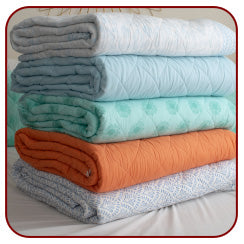
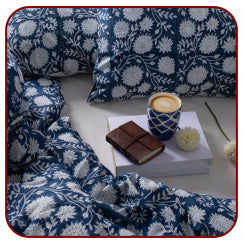
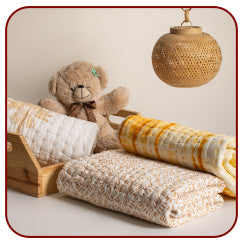
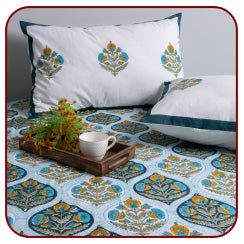
- The Master Bedroom Palette: Begin with a foundation of simplicity using a crisp, solid-colored Egyptian cotton bedsheet. Introduce the block-print aesthetic with a geometric or floral-patterned duvet cover or a lightweight, highly breathable dohar blanket. The blend of textures (pure cotton to muslin) adds sophistication, offering a visual layering akin to a multi-block print.
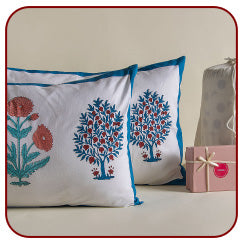
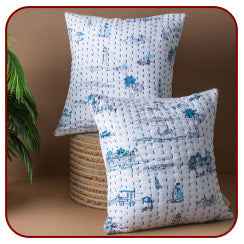
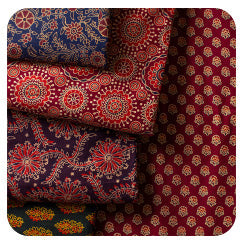
- Cushion Cover Compositions: Use your cushion covers and pillow covers to tell a story of pattern play. Pair a large, bold motif (like a Mughal floral) with a tight, dense buti print. Crucially, connect them with a shared accent color—perhaps an indigo or a deep red—to create a unified, intentional design flow. The high-quality finish of our cambric cotton ensures these accents hold their form and colour brilliantly, giving them a durable, archival quality.
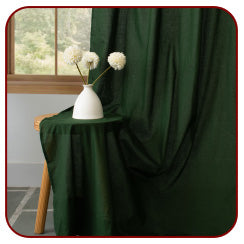
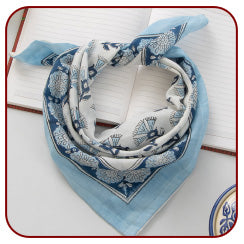
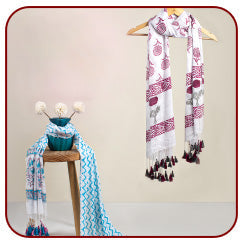
- Fabric as Architectural Accent: Drape an artistic stole or scarf crafted from our fine voile cotton over a dining chair or mantle. This small, patterned piece acts as an organic, unframed work of art, softening the room's geometry and introducing a touch of subtle, printed luxury.
The Effortless Apparel Look: Patterned Precision
Use the power of print repetition to create striking, yet refined, personal style.
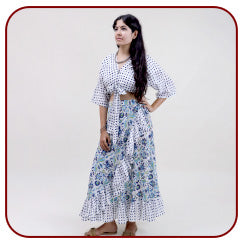
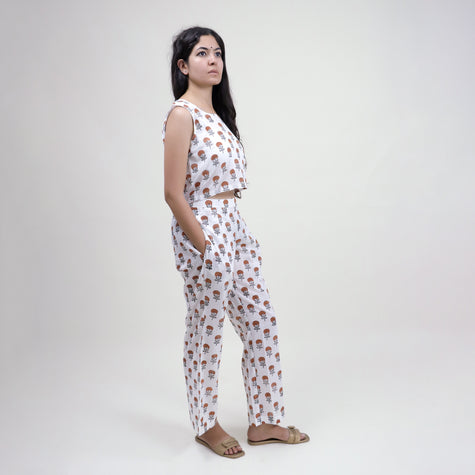
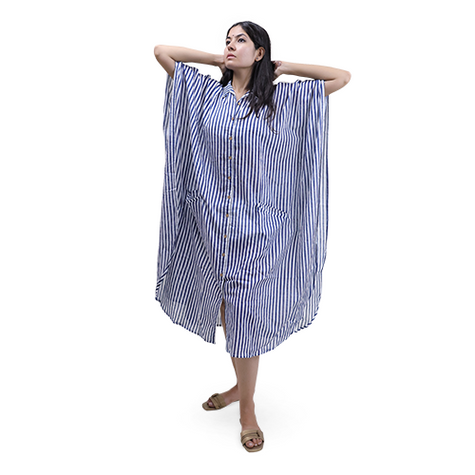
- The Coordinated Canvas: Our co-ord sets and pant top sets are perfect canvases. Choose a set in a subtle all-over pattern, reminiscent of a repetitive hand-blocked design. The breathable comfort of linen cotton or organic cotton allows for a sophisticated drape that moves beautifully, allowing the printed motif to be the central focus of the attire.
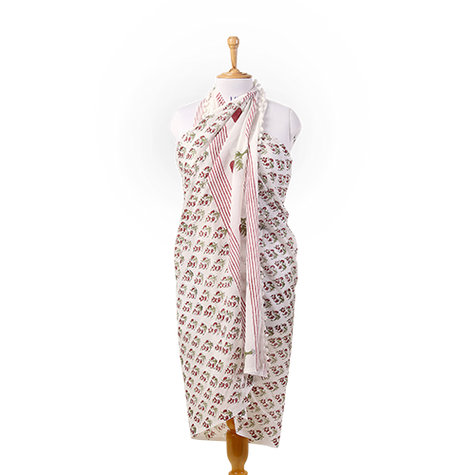
- The Bandana and Stole Statement: Elevate solid-colored suiting with a bold accessory. A tightly patterned bandana can be used as a pocket square or hair tie, while a flowing, printed stole or scarf adds artistic movement to a simple suit material ensemble. These accessories, especially those in muslin or voile, offer a whisper of print that finishes the look with an artistic flourish, echoing the elegant restraint of high-quality Japanese prints.
Final Thoughts: Resourcefulness and Legacy in Woodblock Art
Woodblock printing is the ultimate discipline in relief art—a powerful echo of history rendered with the finest contemporary supplies, or with cleverly adapted, accessible alternatives. The year 2026 demands that we be resourceful, proving that constraints can fuel creativity.
By choosing readily available plywood, carpentry chisels, and local pigments, you are not compromising your art; you are connecting it more deeply to the inventive, adaptable spirit of the original Indian artisans. The true measure of your art lies in its details and the effort invested in the process.
Investing in the best woodblock printing tools in 2026 means choosing to respect the process, honour the tradition, and ensure your creative legacy is pressed into history with clarity, luxury, and unmatched precision, regardless of the brand name on your tool.
Woodblock Printing FAQs
What tools do I need for woodblock printing as a beginner?
A beginner needs a quality set of 5-7 carving tools (a mix of Power Grip U/V-gouges, a utility knife, and a small chisel), a plywood or MDF block, a small soft rubber brayer, an affordable Speedball or Fevicryl pigment set, and some simple practice paper or cotton cloth. Prioritize tool sharpness above all else.
For detailed work on paper, a well-sanded, sealed 6mm commercial plyw
Which type of wood is best for woodblock printing in 2026?
ood is the best accessible choice. For traditional, textured work on fabric, readily available Mango or Sisam wood blocks are authentic and highly durable.
What’s the difference between woodblock printing and linocut printing?
The core difference is the medium: Woodblock uses hard, grained wood, demanding greater effort and producing a unique texture. Linocut uses soft, grainless linoleum, which is easier to carve and allows for smoother, quick, graphic work.
Can I do woodblock printing at home with fabric pigments?
Yes, absolutely. Printing on fabric is a core Indian tradition. You need a stable, flat surface, pre-washed pure cotton or linen fabric (like our products), and high-quality fabric pigments mixed with a binder to ensure the print is wash-fast after heat setting.
What are the best woodblock printing ink brands in 2026?
For the most accessible, quality inks in India, look for Speedball Professional Relief Ink (for oil-style work) or the Pidilite/Fevicryl fabric printing pigments for textile art. These brands offer a good balance of pigmentation, stability, and ease of sourcing.
Where can I buy affordable, quality woodblocks online in 2026?
Instead of buying branded art blocks, search for local Indian sites specializing in traditional block printing materials or contact local timber yards directly. For small, high-density blocks, you can often find great deals from suppliers catering to local textile printers.
Also Read: 10 Home Decor Ideas with Sanganeri Block Printed Fabrics | Why Sanganeri Block Printing is Going Viral on Instagram | Top 10 Check Hand Block Print Fabrics for Stylish Summer Outfits in 2026: Colors, Patterns & Styling Tips | Block Print Cloth Buying Guide: Fabric Types, Dyes, GSM & Care Instructions | The Best Summer Fabrics You’ll Find in DMAASA Collections |