








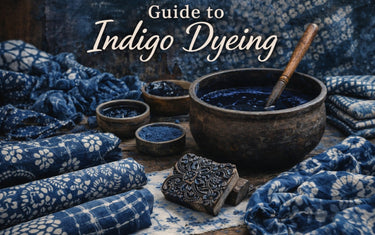
There's a certain magic to the colour blue. From the deep, endless expanse of the ocean to the soft, fading twilight sky, it's a hue that speaks of serenity, depth, and timelessness. But what if we told you that this magnificent colour has a story woven into the very threads of Indian heritage? It's a story of natural artistry, ancient traditions, and a beautiful plant that gives us the legendary indigo.
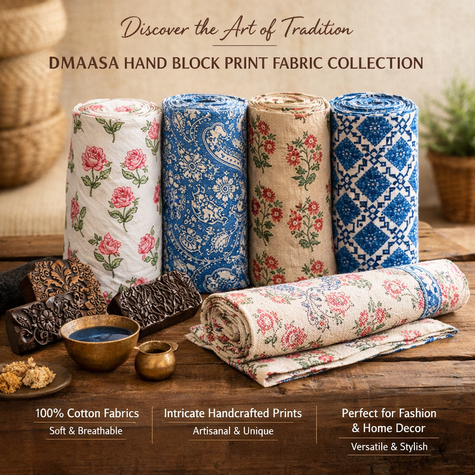
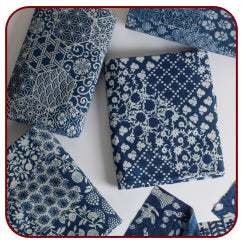
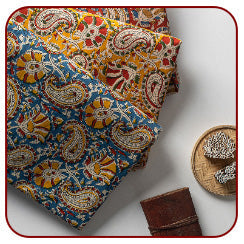
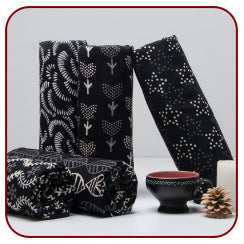
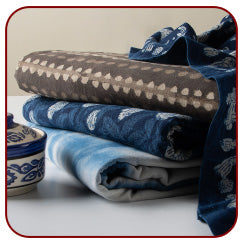
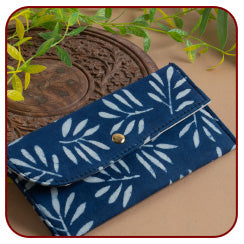
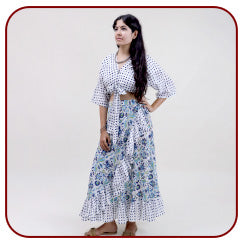
At Dmaasa, we celebrate this legacy with our collection of exquisite indigo fabrics. Each piece, from our intricate block prints to our classic shibori patterns, is a testament to the enduring allure of this natural dye. While our artisans have perfected the craft over generations, the joy of creating with indigo is something anyone can experience. So, are you ready to dip your toes into the world of blue?
This is your passport to the fascinating realm of indigo dyeing, a step-by-step guide to transforming plain white cotton into a masterpiece of your own.
The Allure of Indigo: More Than Just a Colour
Before we get to the fun part, let's take a moment to appreciate what makes indigo so special. Unlike many synthetic dyes, indigo is a natural vat dye. This means it doesn't just stain the surface of the fabric; it bonds with the fibres on a molecular level. It’s a dance of chemistry and art, resulting in a colour that is incredibly rich, long-lasting, and wonderfully unpredictable.
It is a feat of ancient wisdom to turn a leafy plant into the beautiful, lasting pigment of indigo. It’s a process that has been perfected over centuries in India, creating a sustainable and organic alternative to harsh chemical dyes. Archaeological evidence points to indigo dyeing in India as early as the Bronze Age Indus Valley Civilisation, with the word "indigo" itself being a derivative of the Greek term "indikon", meaning "from India." This commitment to natural, organic processes is at the heart of Dmaasa, where we believe in creating products that are kind to both you and the planet.

Getting Started: Your Indigo Dyeing Toolkit
Ready to dive in? Here's what you'll need for your first indigo dyeing adventure. Don't worry, you can find most of these items easily online or at an art supply store.
- Natural Indigo Dye Kit: This is the easiest way to start. A good kit will contain the indigo dye powder, a reducing agent (like thiourea dioxide, also known as Colour Remover), and a pH adjuster (like soda ash). These components work in harmony to make the insoluble indigo pigment soluble for dyeing.
- A Large Bucket or Vat: A 5-gallon (20-litre) bucket with a lid is ideal. The deeper the better, as you want to be able to fully submerge your fabric.
- Stirring Stick: A long, sturdy stick or dowel. Metal should be avoided, as it can react with the dye and alter the final result.
- Gloves and an Apron: Trust us, indigo stains. Protect your hands and clothes!
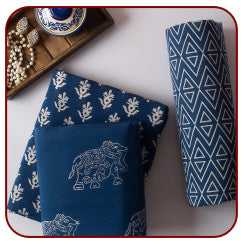
- Fabric: This is where the magic truly begins! The key to successful indigo dyeing is simple: stick to natural fibers. We highly recommend 100% cotton or linen. These fibres take the dye beautifully and consistently. Your creativity has a home at Dmaasa, where our fabrics are the perfect canvas for all your creations. Our "Animal Print Hand Blocked Indian Indigo Blue Cotton Dress Fabrics" or our "Blue Buti Hand Block Print Indigo Cotton" would be a fantastic start. They're already made of pure, high-quality cotton that’s perfect for holding the dye.
- Water: Lukewarm water is best for activating your dye vat.
- A clothesline or drying rack: For hanging your finished masterpieces.
The Ritual: Creating Your Indigo Vat
Creating an indigo vat is a bit like a secret alchemical ritual. It’s a process that requires patience and respect for the materials.
- Prepare the Fabric: Before you dye, wash your fabric thoroughly to remove any sizing or impurities. This is a critical step to guarantee the dye can penetrate the fibers evenly. Make sure it’s completely dry before you start.
- Mix the Magic: Follow the instructions on your indigo dye kit precisely. Generally, you’ll mix the indigo powder, the reducing agent, and the soda ash with a small amount of warm water to create a slurry.
- Filling the Vat: To begin, fill your bucket with the specified amount of warm water. Slowly and intentionally, pour the indigo slurry into the water, stirring as you go.
- The Flower: As you stir, a beautiful metallic sheen will appear on the surface of the vat, often with a subtle coppery or purplish tint. This is known as the “indigo flower” or "indigo bloom," and it’s a sign that your vat is ready for dyeing!
Getting Creative: Easy Shibori Indigo Dye Patterns

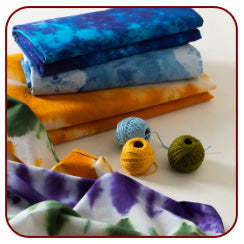
Now for the truly fun part—shibori! Shibori is a Japanese resist-dyeing technique where you create patterns by folding, twisting, tying, or scrunching the fabric before dyeing. The areas that are tightly bound will resist the dye, creating stunning, unique patterns.
Here are some simple techniques to help you dive in:
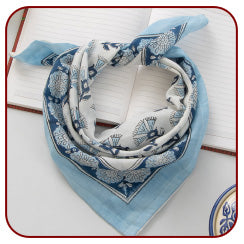
- The Accordion Fold (Itajime Shibori): Fold your fabric like a fan or an accordion. Use rubber bands or clamps to secure the folded fabric at various points. This will create sharp, geometric patterns. Our Dmaasa "Block Printed Handmade Indian Indigo Blue Floral Print Cotton" fabric would look stunning with a geometric pattern over the existing floral design.
- The Twist (Arashi Shibori): Tightly twist the fabric around a pole or pipe and then scrunch it down. Secure with rubber bands or string. This will result in a beautiful, flowing diagonal pattern that resembles a storm.
- The Knot (Karamatsu Shibori): Simply tie a series of tight knots in the fabric. Each knot will create a circular, sunburst-like pattern.
The Big Dip: The Indigo Dyeing Process
With your fabric prepped and your vat ready, it's time for the big dip!
- Submerge and Soak: Gently lower your tied or folded fabric into the indigo vat. Fully submerge the fabric, ensuring every part is covered. Let it soak for 5 to 10 minutes—no need to rush this step.
- The Reveal: Carefully lift the fabric out of the vat. At first, it will appear a strange yellowish-green colour. This is the magic of indigo at work! The dye is in a reduced, soluble state and it's this colour when it's still in the absence of oxygen.
- The Oxidation: As soon as the fabric hits the air, the oxygen begins its work. Watch as the strange green hue magically transforms into a rich, deep blue before your eyes. The oxidation process is a magnificent sight to witness as the fabric transforms right before your eyes.
- Rinse and Repeat: For a deeper, darker blue, you can repeat the process. Let the fabric oxidize completely (until it turns a stable blue) and then dip it into the vat again. You can repeat this 2-3 times to achieve a truly luxurious shade of indigo.
- Final Rinse: Once you've reached your desired colour, untie your fabric and rinse it thoroughly with cool water until the water runs clear. This removes any excess dye.
- Dry: Hang your beautifully dyed fabric to dry completely.
The Perfect Canvas: Dmaasa’s Indigo Collection
Don't worry if your first attempt isn't perfect. That’s the beauty of natural dyeing—each piece is unique. And if you’re short on time or just prefer to leave it to the masters, Dmaasa has you covered. Our ready-to-buy products are a treasure trove of indigo artistry.
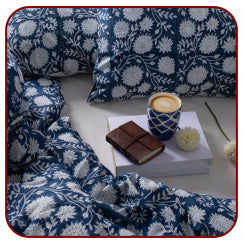
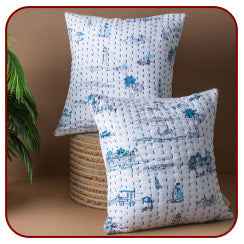
Imagine a living room adorned with our exquisite indigo cushion covers, or a bedroom transformed with our natural indigo cotton bedsheets. The timeless indigo patterns of our dohar blankets and duvet covers are the perfect way to add a touch of sophisticated bohemian charm to any room.
The beauty of these products is that they can be styled in so many ways. Mix and match different patterns—a block print pillow on a shibori-dyed bedsheet—or combine the dark indigo with a pop of pristine white for a crisp, nautical feel.
At Dmaasa, we celebrate the hands that have crafted these masterpieces. Our fabrics are not just products; they are a piece of Indian heritage, a nod to the timeless craft of indigo dyeing. Whether you choose to create your own or admire the work of our artisans, the deep, rich story of indigo is one you'll cherish.
It's time to embrace the blue—let the artistry of indigo transform your world.
Also Read Relevant Blogs: Which Fabric Is Most Breathable in Summer in India | Mastering the Art of Shibori | Best Places to Buy Authentic Hand Block Print Fabrics Online |