


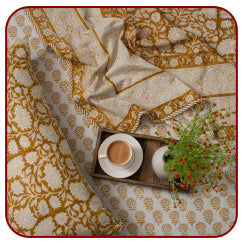
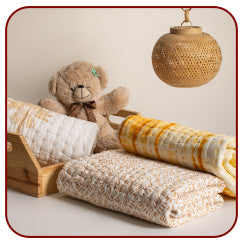
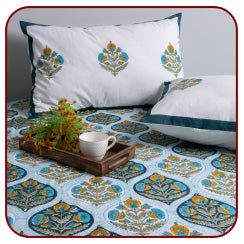
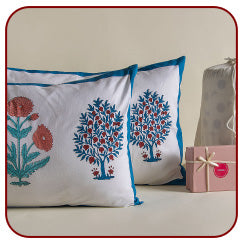
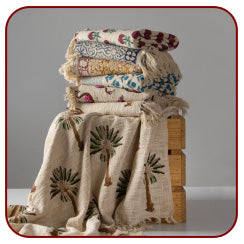
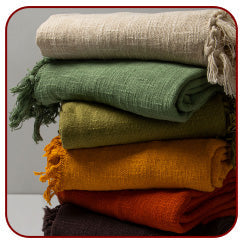
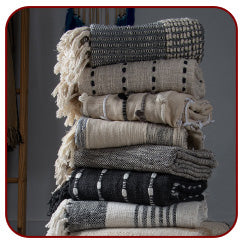
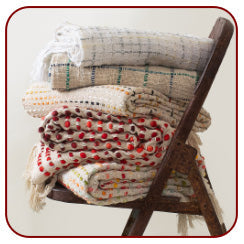

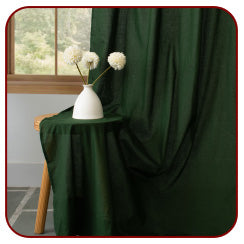
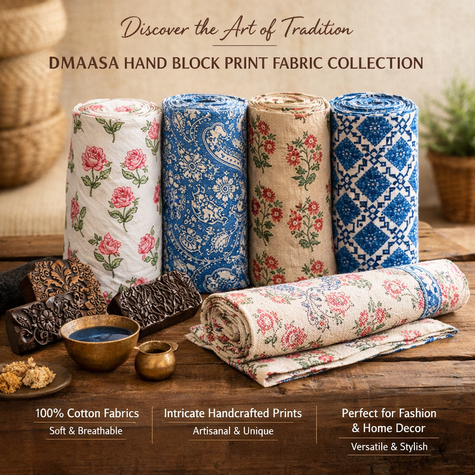
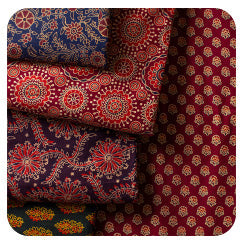
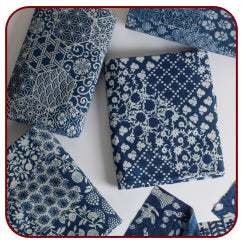
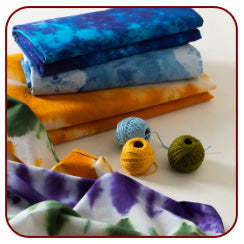
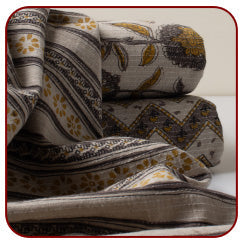
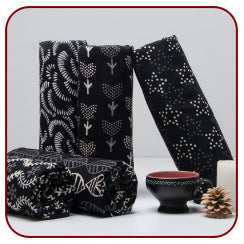
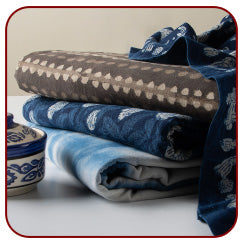
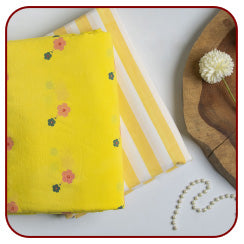
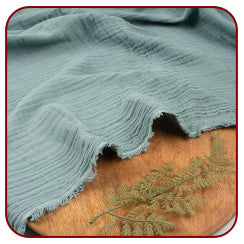
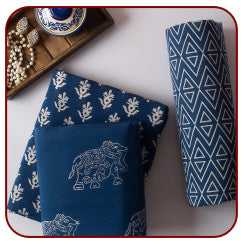
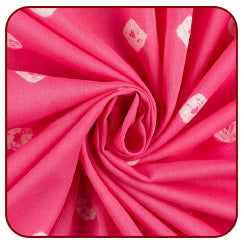
Imagine the whisper of pure cotton, a blank canvas awaiting a story. Now, imagine a centuries-old Japanese art form, not as a rigid technique, but as a dance of dye and fabric, where every fold, every twist, creates a one-of-a-kind masterpiece. This is the magic of Shibori—a craft that transforms the ordinary into the utterly extraordinary.
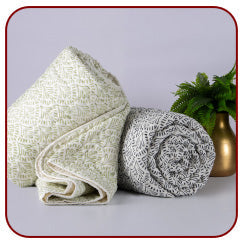
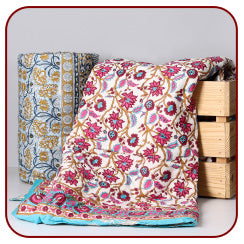
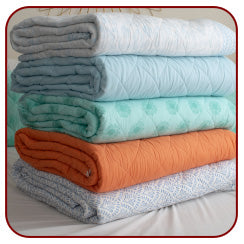
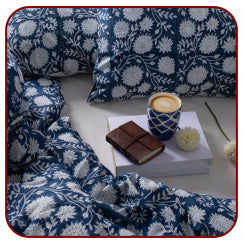
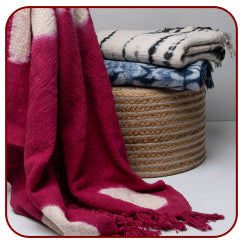
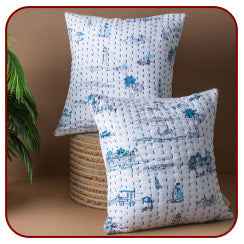
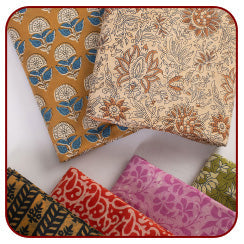
At dmaasa.in, we believe in celebrating the soul of Indian craftsmanship and the timeless embrace of pure cotton. Our curated collections of handmade shibori fabrics, from luxurious bedsheets and cushion covers to elegant duvet covers and dohar blankets, showcase this stunning technique. But what if we told you that this incredible art is something you could awaken in your own home?
Let's forget the daunting tutorials and complex jargon. We've simplified the elegance of Shibori into five accessible, and delightfully rewarding techniques. You already have the tools to begin—a piece of fabric, a touch of curiosity, and the willingness to let your creativity unfold. Get ready to give your space a touch of hand-dyed luxury that is uniquely, beautifully you.
The Alchemy of Shibori
At its heart, Shibori is a form of "resist dyeing." Unlike the symmetrical bursts of conventional tie-dye, Shibori is about intentional manipulation. By folding, twisting, tying, or scrunching the fabric, you create a barrier (the resist) that prevents the dye—traditionally a deep, serene indigo—from reaching certain parts of the cloth. This process gives rise to organic, often surprising, and always one-of-a-kind patterns. For your DIY project, your canvas matters. Nothing compares to the softness and absorbency of pure cotton. Its natural fibres drink up the dye beautifully, delivering rich, saturated colors and crisp, defined patterns. Our handmade shibori fabrics are the perfect foundation, a promise of a beautiful result.

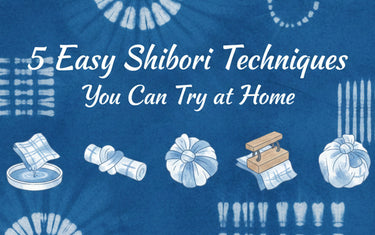
Let's Get Started: Your Guide to 5 Easy Shibori Techniques
1. The Itajime Technique: Geometric Perfection
The Look: Crisp, clean-edged patterns and striking geometric shapes that feel both modern and timeless.
What You'll Need: Pure cotton fabric, two identical pieces of wood or acrylic, binder clips, and a dye bath.
How to Master It:
- Fold: Create a series of straight, even folds in the damp fabric, much like an accordion. This disciplined folding is the first step in creating your distinct lines.
- Resist: Sandwich the folded fabric tightly between the two pieces of wood.
- Secure: Cinch the "sandwich" with binder clips. The covered areas will resist the dye.
- Dip & Unfold: Submerge the fabric in the dye bath. After soaking, rinse and unfold to reveal a stunning, controlled pattern. This technique is fantastic for creating sophisticated cushion covers.
2. The Kumo Technique: The Art of Scrunching
The Look: Soft, organic, and cloud-like motifs that drift across the fabric. Kumo means "cloud," and the result is beautifully dreamy.
What You'll Need: Pure cotton fabric, rubber bands or twine, and a dye bath. Marbles or small stones are optional for creating perfect circles.
How to Master It:
- Pinch & Bind: Start with your moist fabric laid out smoothly. Pinch a small section of fabric and lift it. To create a perfect circle, nestle a marble into the very heart of the fabric's gathered peak.
- Secure: Wrap a rubber band tightly around the base of the pinched section.
- Repeat: Continue this process, creating clusters of tied-off sections all over the fabric.
- Dip & Unfold: Submerge the tied fabric, allowing the dye to begin its work. Rinse and unfold to reveal an organic, intricate pattern. This technique is perfect for creating bespoke duvets.
3. The Arashi Technique: The Storm-Inspired Twist
The Look: Beautiful, fluid diagonal lines that seem to be swept away by a storm. Arashi means "storm" in Japanese.
What You'll Need: Pure cotton fabric (a long piece works best), a sturdy PVC pipe or a dowel rod, strong twine, and a dye bath.
How to Master It:
- Wrap: Lay your damp fabric flat. Wrap it tightly around the PVC pipe at a sharp angle.
- Scrunch: Push the fabric down the length of the pipe, gathering it tightly.
- Bind & Dip: Secure the scrunched fabric with twine. Dip the entire pipe into the dye.
- Unwind: Rinse and unwrap your fabric to reveal your stunning Arashi pattern. This is a fantastic way to add handcrafted luxury to a bedsheet or a set of pillow covers.
4. The Nui Technique: The Art of Stitching
The Look: Delicately stitched lines that trace intricate, unique patterns. This technique requires a little patience, but the results are truly breathtaking.
What You'll Need: Pure cotton fabric, a needle, strong thread, and a dye bath.
How to Master It:
- Stitch: Draw a simple design on your fabric with a washable marker. Use a needle and thread to create a running stitch along your desired line.
- Cinch: Gently pull on the thread to gather the fabric tightly. Tie it off securely.
- Dip & Release: Submerge your stitched fabric in the dye. After the recommended time, rinse the fabric, then snip the thread to reveal your hand-stitched pattern. The stitching leaves a beautiful, un-dyed line in its wake.
5. The Sekka Technique: The Magic of Snowflake
The Look: Exquisite, symmetrical snowflake-like patterns that are both elegant and organic.
What You'll Need: Pure cotton fabric, clothespins or binder clips, rubber bands, and a dye bath.
How to Master It:
- Fold: Accordion-fold your damp fabric into a square. To begin forming your design, bring two opposite corners together, creasing the square into a triangle.
- Clip: Clip the edges of the folded triangle with clothespins or rubber bands. The clipped areas will act as the resist.
- Dip & Unfold: Dip the clipped fabric into the dye. Once done, rinse and unfold to see beautiful, symmetrical patterns radiating from the center. This technique is a showstopper for creating a one-of-a-kind luxurious bed cover.
Beyond the Fabric: Styling Your Shibori Creations
Now that you have your beautifully hand-dyed fabric, the possibilities are endless. Use your DIY Shibori creations to complement our extensive range of pure cotton products. Create your own Shibori pillow covers and mix and match them with our solid-colored cushion covers for a rich, layered look. Drape a hand-dyed dohar blanket over our crisp bedsheets for a touch of bohemian-chic elegance. A small piece of your hand-dyed fabric can be a unique table runner or framed as a piece of art to add a personal touch to your space.
Why dmaasa is Your Ultimate Shibori Destination
While the joy of a DIY project is unmatched, sometimes you need the perfection of a master artisan's touch. At dmaasa, we bring the best of Indian craftsmanship right to your doorstep. Our shibori fabrics are not just products; they are a legacy of skilled artisans, a story woven into every thread.
We use only the finest quality, 100% pure cotton, ensuring a product that is not only beautiful but also soft, durable, and luxurious. We are also committed to eco-friendly and ethical practices, ensuring every piece you purchase supports the artisans and promotes sustainable living.
So, whether you're creating your own Shibori magic at home or choosing a perfectly crafted piece from our collection, you’re not just buying a product—you’re investing in an art form. Embrace the beautiful world of Shibori. It's a journey of creativity, patience, and the pure joy of seeing something beautiful come to life.
Also Read : Best Places to Buy Authentic Hand Block Print Fabrics Online | Indigo Throws from Jaipur, Rajasthan | Trendy Throw Blanket