


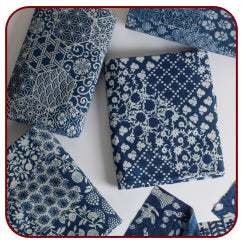
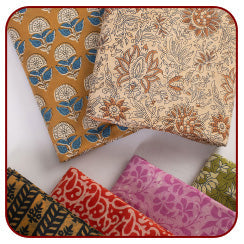
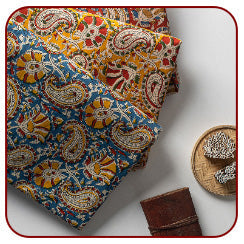
The morning air in Jaipur this January carries a certain weight - a humid, rhythmic persistence that signals the arrival of the 77th Republic Day. If you walk through the artisan quarters of Sanganer or Bagru, you’ll find it: the evocative, earthy scent of wet indigo and the sharp, percussive thwack of hand block print fabric being snapped against stone. It is a sensory overture to our sovereignty. For those of us who believe that what we wear is a silent political statement, Republic Day 2026 isn't just a date; it is a moment to drape ourselves in the very definition of Indian resilience.
True luxury, I’ve realized, is remarkably quiet. It doesn't scream from a billboard or flash a gilded logo. Instead, it whispers in the tactile "give" of a Muslin scarf or the architectural, stubborn drape of a Canvas coat. This is the world of DMAASA. We don't just manufacture; we manifest the history of the Indian loom, one thread at a time.
Introduction: Republic Day 2026 and the Spirit of Indian Craft
We are currently witnessing a shift in the Indian psyche, it's a quiet, sophisticated revolution. The modern aesthetic has finally moved past the gaudy, mass-produced synthetics of the last decade, landing firmly in the lap of the authentic. Rarely is the choice so clear: we either succumb to the fast-fashion machine that erases identity, or we embrace the slow, deliberate pulse of Indian handcrafted textiles.
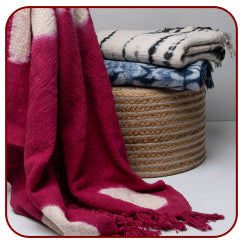
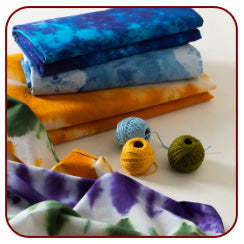
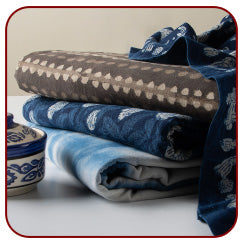
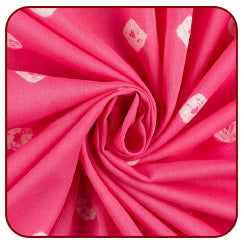
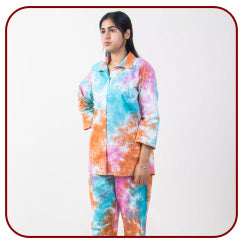
The tie dye shibori fabric with its labyrinthine patterns and fluid transitions serves as the perfect metaphor for our republic. It is a craft born of tension and release. By binding the fabric tightly before submerging it in pigment, the artisan creates a "resist." When the ties are finally cut, the revealed pattern is a celebration of what survived the pressure. Much like our history, wouldn't you agree? At DMAASA, we treat these fabrics not as seasonal commodities, but as living canvases. This Republic Day, the goal is simple: to bring the heritage of the village square into the modern penthouse without losing an ounce of its soul.
Why Republic Day 2026 Is Special
Why does this particular year feel so pivotal? Perhaps because we are finally shedding the "traditional" tag in favor of "timeless." In 2026, while the global eye is fixed on India’s economic prowess, the Indian eye is finally turned inward, rediscovering its own roots. We are finding an almost spiritual beauty in the slubs of the yarn and the slight, beautiful bleed of a vegetable dye.
Choosing Sustainable fabrics India for your wardrobe this year is an act of defiance. It’s a statement that you value the person behind the product. When you wrap yourself in a Jaipuri razai on a crisp January morning, you aren't just seeking warmth; you are touching a lineage of comfort that spans centuries. This is the year we stop consuming culture and start living it.
The Artisanal Alchemy: From Dye Vat to Wardrobe
To understand the value of DMAASA fabrics, one must understand the labor. Shibori is not merely tie-dye. It is a disciplined art form. The artisan must calculate the exact pressure of the thread; too loose, and the pattern dissolves; too tight, and the fabric tears. This balance is what makes Tie dye shibori cotton fabric India so coveted.
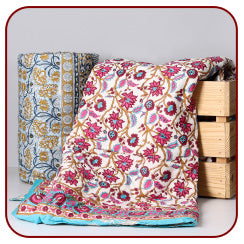
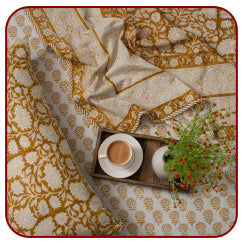
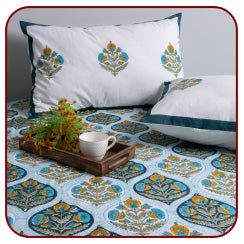
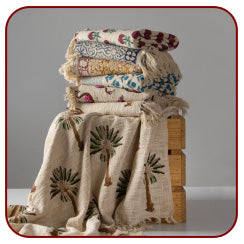
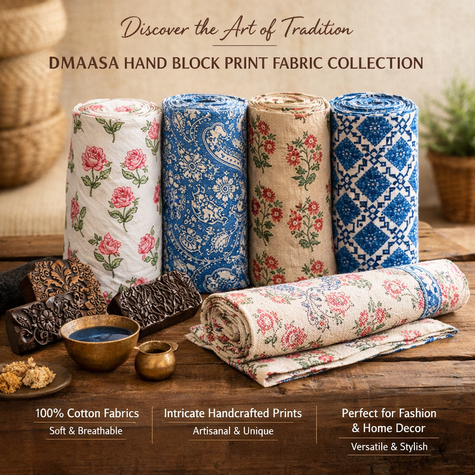
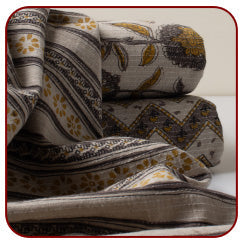
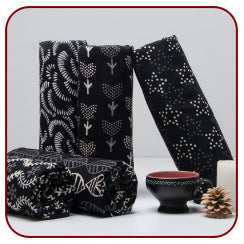
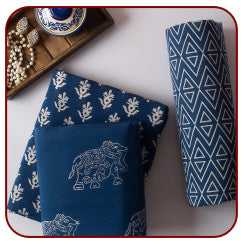
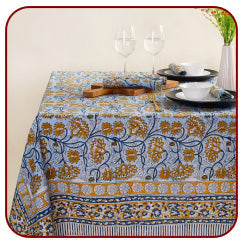
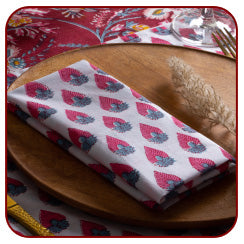
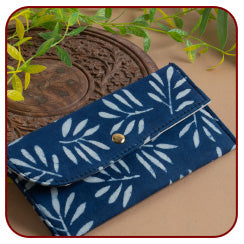
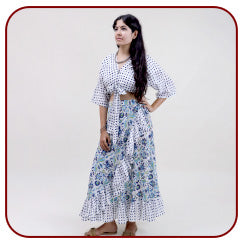
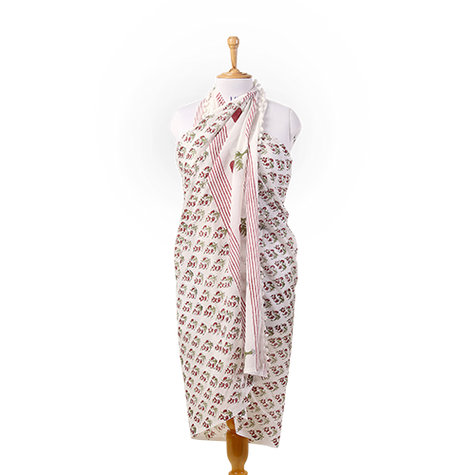
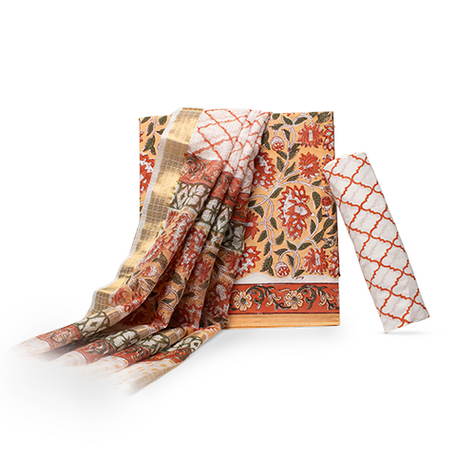
Similarly, our hand block print fabric relies on the Chippa community’s steady hand. Each block is carved from seasoned teak wood, and the alignment is done by eye alone. When you see a bedsheet or a duvet cover with a sprawling floral motif, remember that a human being stood over that cloth for hours, ensuring every petal was perfectly placed. This human element is what makes these Indian handcrafted textiles feel "warm" compared to the cold precision of a digital print.
DMAASA’s Contribution to Indian Handcrafted Fabrics
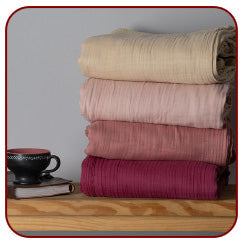
Our atelier functions more like a library of textures than a factory. We obsess over the specific "hand" of a fabric : the way it moves, the way it breathes, and the way it ages. We’ve spent years perfecting the balance between the nine pillars of Indian cotton, ensuring each serves a specific purpose in your life.

The Nine Pillars of the DMAASA Loom:
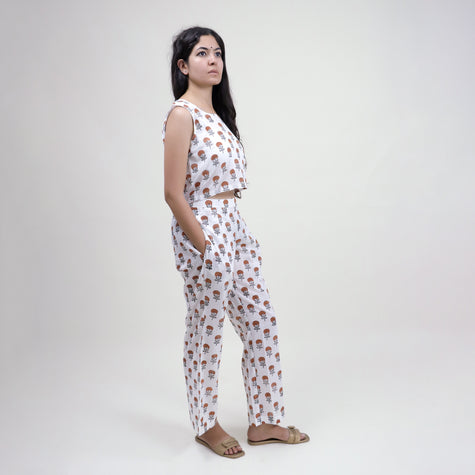
Cambric: The workhorse of elegance. It’s fine, closely woven, and possesses a slight sheen that makes it ideal for the pant top set you’d wear to a Republic Day brunch. It holds a crease beautifully, giving you a sharp, tailored look.
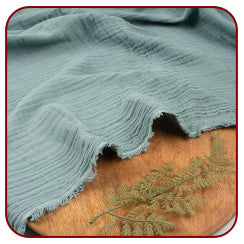
- Muslin & Malmal: These are the "woven air" of India. Malmal is softer, almost ethereal, while Muslin offers a bit more body. Both represent the pinnacle of Indian weaving. I believe no Indian wardrobe is complete without a Malmal kurta.
- Voile: A whisper of a fabric. It’s semi-transparent and perfect for scarves and stoles that need to catch the light. It is the fabric of summer dreams and winter layers.
- Canvas & Drill: The architects. Canvas is heavy and honest, used for our more structured hand block print fabric pieces. Drill, with its characteristic diagonal weave, offers a rugged durability that feels incredibly modern for a structured coord set or a heavy-duty tote.
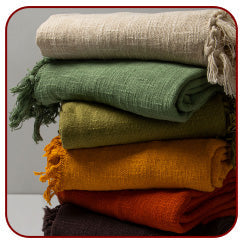
- Slub Cotton: For the lover of texture. The intentional irregularities in the yarn create a fabric that feels organic and "alive." It tells a story of the raw cotton before it was tamed by the loom.
- Satin Cotton: When you want the luxury of silk with the breathability of cotton. It’s the ultimate choice for a duvet cover that needs to feel decadent against the skin, offering a subtle glow that transforms a bedroom.
- Poplin: Crisp, sturdy, and reliable. It’s the quintessential fabric for a sharp, refined suit material. It represents the professional side of Indian craft.
We don't believe in the perfection of the machine. That slight misalignment in a hand-blocked border? That is the signature of a human being who breathed, thought, and created. That is the DMAASA mark.
Styling Republic Day 2026 with DMAASA Fabrics
Forget the costume-like, literal tricolor outfits of the past. Republic Day 2026 demands a more nuanced, editorial approach to dressing.
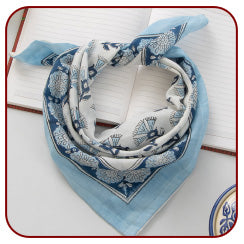
- The Power Silhouette: Imagine a coord set cut from heavy Slub Cotton in a deep charcoal or forest green. It’s rugged yet refined. Pair it with a minimalist bandana in indigo tie dye shibori cotton fabric India. The blue represents the Ashoka Chakra, but in a way that feels avant-garde rather than obvious.
- The Narrative Layer: A stole in Malmal is essentially captured wind. Drape it over a suit material made of structured Cambric to create a play of light and shadow. The contrast between the sheer scarf and the solid suit creates a visual depth that is undeniably sophisticated.
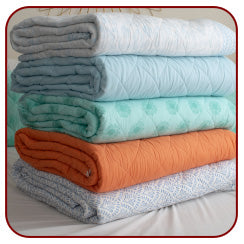
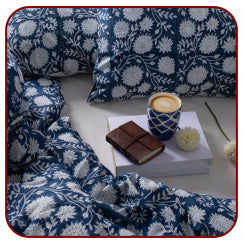
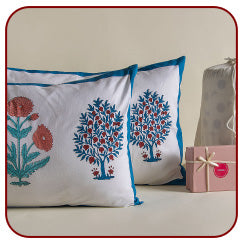
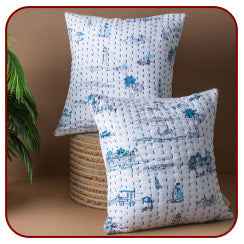
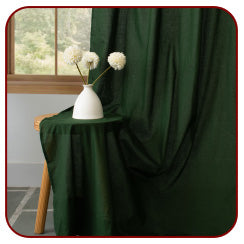
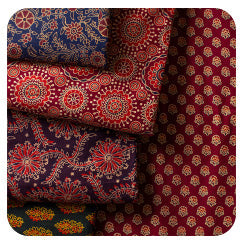
- The Domestic Sanctuary: Your home is your republic. Why settle for generic linens? A bedsheet and matching pillow covers in deep madder reds or indigo shibori patterns provide a grounded, celebratory atmosphere that lasts far beyond January 26th. Layer these with a dohar blanket for the ultimate winter sanctuary.
Why Handcrafted Fabrics Make Republic Day Special
The question is often asked: What fabrics are ideal for Republic Day celebrations in India? My answer never wavers: fabrics that have a memory.
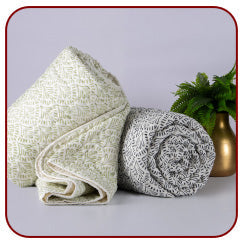
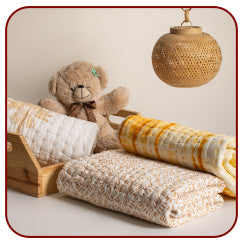
Handmade Indian quilts and dohar blankets are not just bedding; they are heirlooms. On a day that celebrates our collective identity, there is something deeply moving about using Republic Day 2026 handcrafted fabrics. These materials have been sun-dried in the Rajasthan heat, dyed by families who have held the secrets of color for six generations, and stitched with a precision that no high-speed machine can ever replicate. When you choose a Jaipuri razai, you are choosing to keep a craft alive. You are voting for the artisan.
Republic Day 2026 Fashion Trends Using DMAASA Fabrics
The trend forecast for 2026 is "Heritage Minimalism." It’s about taking ancient techniques and stripping them back to their cleanest forms.
- Textural Contrast: We are seeing a massive surge in suit material that combines the subtle sheen of Satin Cotton with the raw, matte edge of Canvas waistcoats.
- Indigo as a Neutral: The Tie dye shibori fabric has moved beyond the "bohemian" niche. It is now being used as a high-fashion neutral, appearing on everything from cushion covers to structured coord sets.
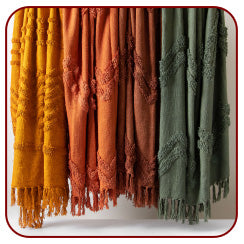
- The Return of the Razai: In 2026, the Jaipuri razai is no longer hidden under a bedspread. It is being styled as a statement throw in contemporary living rooms—a bold, tactile piece of Indian home décor fabrics.
Caring for Your DMAASA Handcrafted Fabrics
If you love your fabrics, they will love you back. Do DMAASA fabrics require special care? Yes, they do but only because they are free from the harsh, plasticized chemical coatings of mass-produced cloth. They are "breathable" in every sense of the word.
Wash your duvet covers, stoles, and scarves in cold water with a gentle, pH-neutral detergent. Avoid the temptation to wring them out; instead, let them air dry in the shade. The Indian sun is a powerful force; while it bleaches the fields, it can be quite jealous of the deep indigos in your shibori pieces. A light steam iron will restore the crisp authority of your Poplin or Cambric garments. For your Jaipuri razai, a seasonal dry clean or professional airing is all it needs to last a lifetime.
Tips to Celebrate Republic Day 2026 Mindfully
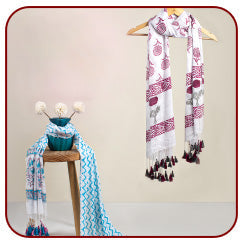
- The Art of Gifting: If you’re wondering, Can DMAASA fabrics be used for gifting on 26th January?, consider this: A hand-blocked stole or a pair of cushion covers isn't just a gift; it’s a piece of wearable art. It carries a story.
- Sustainable Decor: Instead of plastic flags, use DMAASA quilts and throws for Republic Day to style your balcony or garden for a parade-watching brunch. It’s elegant, warm, and entirely eco-friendly.
- Wear Your Story: Choose a fabric that resonates with your personal journey this year. Are you the resilience of Drill, the complexity of Shibori, or the ethereal grace of Malmal?
FAQ: The Fine Print of Craft
What fabrics are ideal for Republic Day celebrations in India?
For the versatile, often unpredictable climate of late January, layering is essential. We recommend a base of Malmal or Voile for internal comfort, layered with a Canvas or Slub Cotton outer garment for structure. This ensures you look polished during the morning ceremonies and stay comfortable as the sun warms up the afternoon.
Are DMAASA fabrics eco-friendly?
Inherently and unapologetically. Our commitment to Eco-friendly Indian textiles for 26th January means we prioritize natural fibers and traditional, small-batch dyeing methods. This approach drastically reduces water waste and keeps harmful chemicals out of our soil.
How can I style DMAASA fabrics at home for Republic Day?
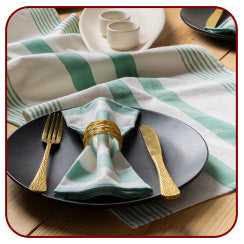
Focus on your common areas. Swap your everyday linens for Indian home décor fabrics. A Tie dye shibori cotton fabric India table runner paired with hand block print fabric napkins creates an immediate sense of occasion. Don't be afraid to mix patterns as the common thread of cotton will hold the look together.
Can DMAASA fabrics be used for gifting on 26th January?
Absolutely. Giving a Jaipuri razai or a length of Cotton ethnic fabrics is a gesture of high regard. It shows you value quality over convenience.
Do DMAASA fabrics require special care?
They require a "slow" approach like cold washes and shade drying. This ensures the natural pigments in your hand block print fabric age into a beautiful, soft patina rather than fading prematurely.
How to style hand block print fabrics for Republic Day?
Embrace the "clash." Pair a geometric shibori scarf with a floral block-print coord set. When the color palette remains consistent think indigos, earthy reds, and ochres - the mix of patterns feels intentional and sophisticated.
The beauty of a Republic is that it is never truly a finished product; it is a work in progress, much like a piece of cloth being dipped into the dye vat. It requires patience, tension, and a vision of the final design.
This Republic Day, choose to be part of the craft. Choose DMAASA.
Relevant Blogs : Eco-Friendly Fabrics | Trendy Throw Blanket | Linen vs Cotton |