



Have you ever wondered what makes a city a legend? For Jaipur, a city of grand palaces and vibrant festivals, its soul is found not just in its architectural marvels but in the rhythmic thud of wooden blocks on fabric. Jaipur is not merely a place; it's the undisputed heart of India's most celebrated textile art: block printing. It’s where history, art, and craft intertwine to create a legacy of textiles that is recognized and revered worldwide.
More than just a city of palaces and forts, Jaipur is the epicentre of a centuries-old craft that has been passed down through generations. Here, skilled hands transform simple fabric into a canvas of intricate designs, and where history is literally stamped onto cotton, mulmul, rayon, and chanderi. The question isn't just "why," but rather "how" this art form has flourished here, making Jaipur a global icon for textile aficionados and conscious consumers alike.
The Rich History of Block Printing in Jaipur
The story of block printing in Jaipur is as rich and intricate as the designs it produces. Its roots trace back to the 16th century when the craft was brought to the region by the Chhipa community, a group of expert dyers and printers. They were drawn to the fertile land along the Sanganer and Bagru rivers, whose clay-rich soil and abundant water were perfect for preparing fabrics and fixing dyes.
The patronage of the royal families of Rajasthan gave this art form a significant boost. They commissioned exquisite textiles for their robes, palace decor, and royal processions, elevating block printing from a simple craft to a revered art. This royal patronage not only preserved the tradition but also allowed it to evolve, incorporating complex motifs and techniques that are still in use today. Every block print from Jaipur tells a story—a chronicle of a land that values its heritage above all else.
Famous Block Printing Hubs: Sanganer and Bagru

While block printing is woven into the very fabric of Jaipur, two specific villages stand out as the twin pillars of this craft: Sanganer and Bagru.
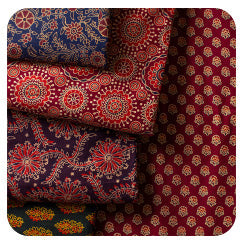
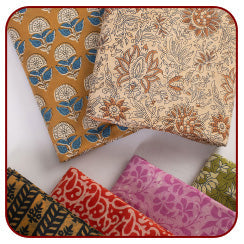
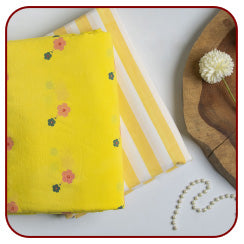
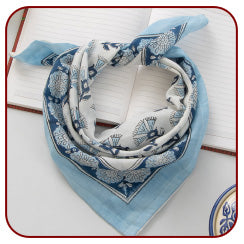
Sanganer: Known for its delicate designs and vibrant colours, Sanganer specializes in intricate patterns of floral, paisley, and geometric motifs. The famous "Sanganeri print" is characterized by its fine lines and delicate detailing, often using a palette of bright reds, blues, and blacks on a pristine white or off-white background. The technique involves a meticulous "calendering" process, where fabric is passed through rollers to achieve a smooth, lustrous finish. The Sanganer style is one of sophistication and elegance, making it a favourite for luxury clothing and home textiles.
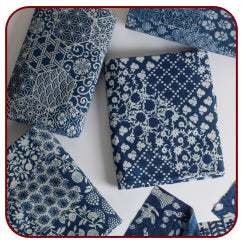
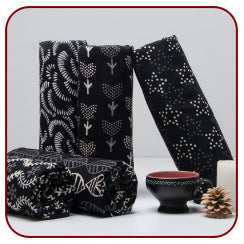
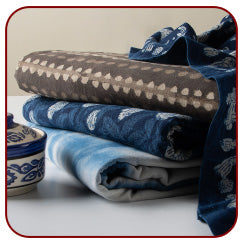
Bagru: In contrast, Bagru is celebrated for its earthy, rustic charm and the use of natural, vegetable-based dyes. The technique here is known as "Dabu" printing—a mud-resist art form that creates unique, crackled textures. Artisans use a paste made of mud, clay, and gum to block out parts of the fabric before dyeing. The final product reveals rich, often dark, patterns against a lighter background. The motifs are bolder, inspired by local flora, fauna, and geometric shapes. Bagru's prints have a raw, organic beauty that speaks to a deeper connection with nature.
The distinctiveness of Sanganeri and Bagru styles highlights the versatility of Jaipur block printing and adds to the city’s reputation as a creative crucible.
The Traditional Process of Jaipur Block Printing
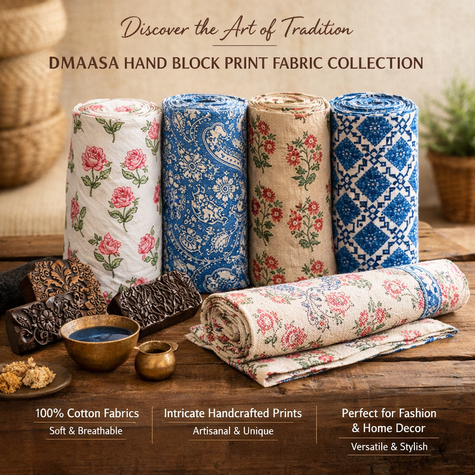
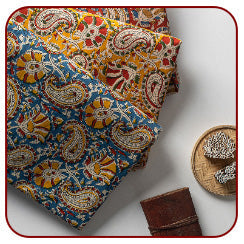
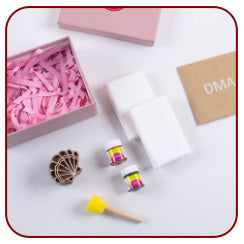
The magic of Jaipur block printing lies in its meticulous, step-by-step process, which remains largely unchanged for centuries. It begins with the creation of the wooden block itself, hand-carved from seasoned wood, a process that can take days or even weeks for complex designs. These masterfully carved blocks are the soul of the craft, each one a testament to the artisan's skill.
The fabric—be it the lightweight, breathable cotton, the luxurious chanderi, or the softest mulmul—is then carefully washed, a process called "scouring," to remove impurities. It is then laid out on long tables, stretched taut and smooth. The artisan dips the wooden block into a tray of dye and, with practiced precision, stamps the design onto the fabric. The process is a meditative dance of hand and eye, a single misstep able to ruin a pattern. The process is repeated across the entire length of the fabric, layer by layer, colour by colour, until the full design is revealed. The final product is then left to dry in the sun and is washed to remove any excess dye.
Unique Designs and Motifs from Jaipur Block Prints
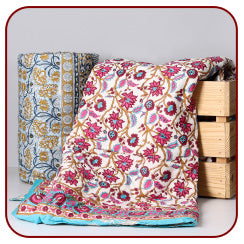
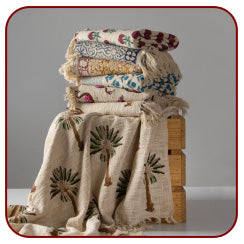
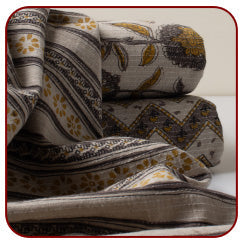
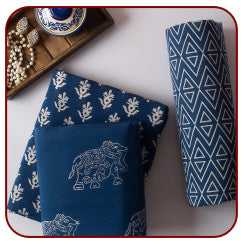
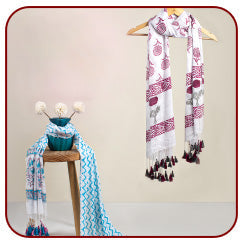
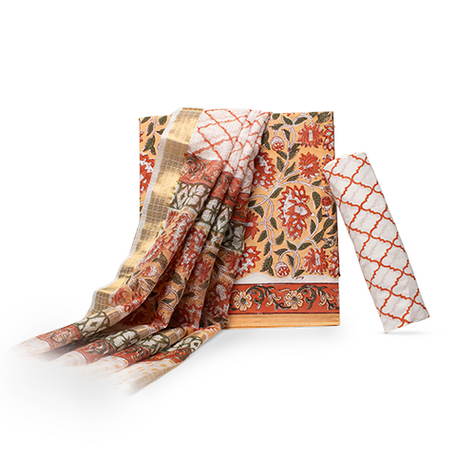
The motifs used in Jaipur's block printing are a language of their own, each telling a story inspired by nature, mythology, and daily life. You'll find intricate floral patterns like the stylized buta (a floral motif), the graceful peacock, and the majestic elephant. Geometric patterns, often inspired by Islamic art and traditional Indian architecture, also feature prominently. These designs are not just decorative; they are a visual encyclopedia of Rajasthani culture and history, bringing a piece of the region's soul into every textile.
The Role of Natural Dyes in Jaipur Block Printing
One of the most remarkable aspects of Jaipur block printing is the use of natural, eco-friendly dyes. Indigo for blues, pomegranate peels for yellows, madder root for reds, and iron rust for blacks—these pigments are sourced from nature, ensuring that the process is not only sustainable but also safe for the artisans and the environment. This commitment to traditional, chemical-free dyeing methods is a significant reason why Jaipur block prints resonate with a global audience seeking authentic and sustainable products.
Why Jaipur Block Printing is Popular Worldwide
The global appeal of Jaipur block printing stems from its unique blend of traditional craftsmanship, timeless design, and eco-friendly practices. In a world of mass-produced goods, the handmade nature of these textiles offers a sense of authenticity and exclusivity. The imperfections in each print are not flaws but a signature of its human touch. For international consumers, it's not just a purchase; it's an acquisition of a piece of Indian heritage, a story told in fabric. Its versatility also allows it to fit seamlessly into modern home decor and fashion, bridging the gap between tradition and contemporary style.
Modern Applications of Jaipur Block Print Fabric
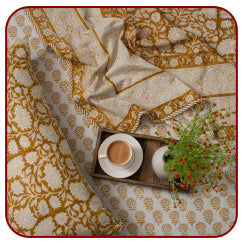
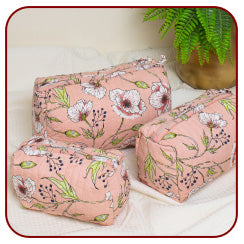
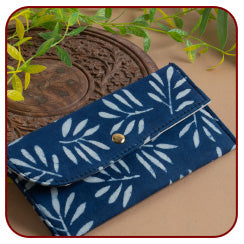
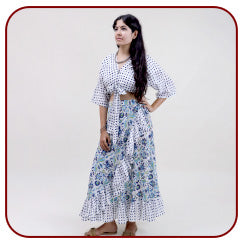
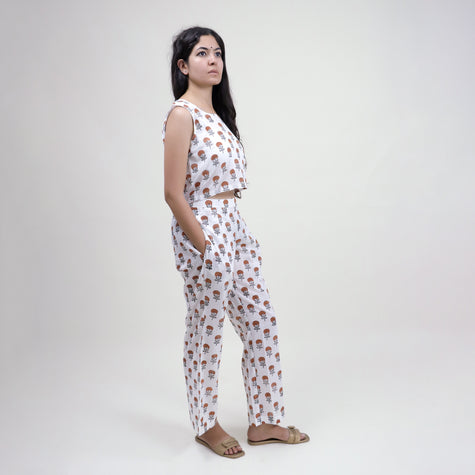
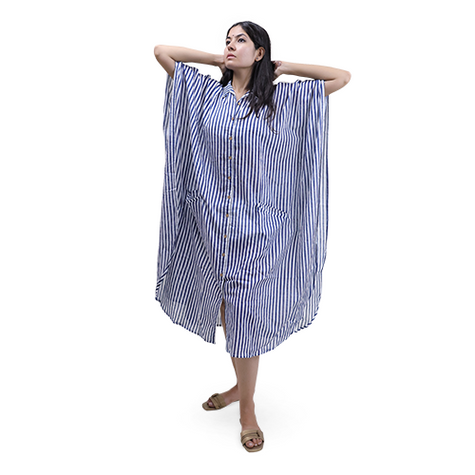
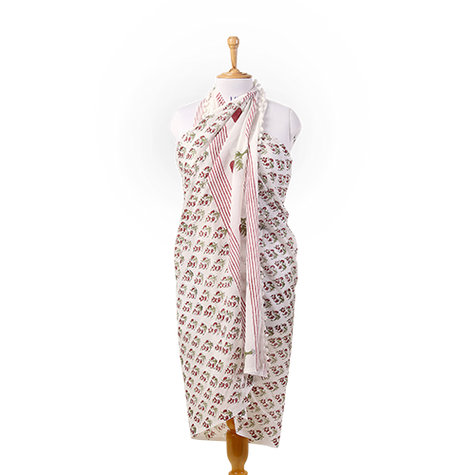
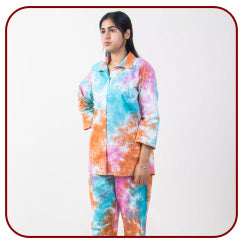
Today, Jaipur's block printing extends far beyond traditional attire. The fabric has been reimagined for the modern home, adorning everything from stylish apparel to luxurious home decor. At dmaasa.in, we celebrate this versatility by offering a curated collection of authentic, handcrafted Jaipur block printed products.
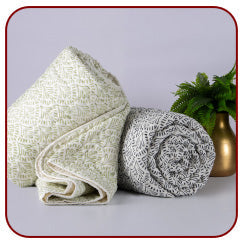
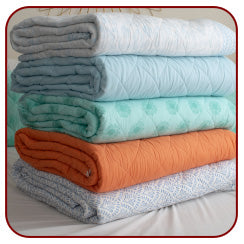
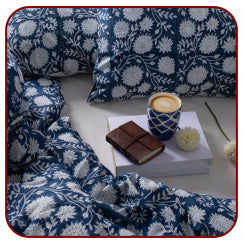
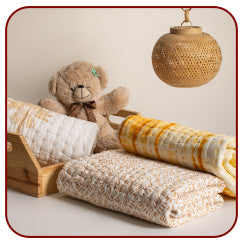
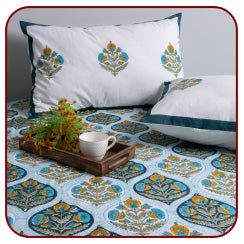
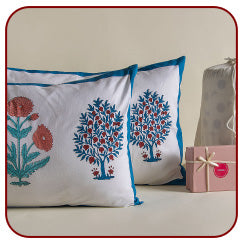
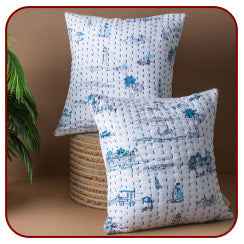
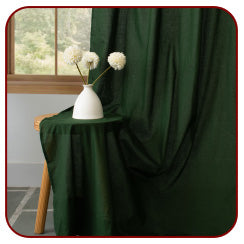
Imagine your bedroom transformed into a serene oasis with a Jaipuri bedsheet, its intricate floral patterns bringing a touch of regal elegance. Pair it with a matching duvet cover and pillow covers for a cohesive and sophisticated look. For an extra layer of comfort and style, our dohar blankets—a perfect blend of cotton and mulmul—are ideal for warm climates, adding a pop of colour and traditional artistry to your space. Don't forget our stunning cushion covers; a few strategically placed on your sofa or armchair can instantly uplift a room's aesthetic.
Supporting Artisans and Sustainability Through Jaipur Block Printing
Choosing a Jaipur block printed product is more than just a purchase; it's an act of supporting a legacy. It helps sustain the livelihoods of thousands of artisans who are the guardians of this magnificent craft. By investing in these handmade products, you are not only acquiring a piece of art but also contributing to a slow, ethical fashion movement that values craftsmanship over mass production.
This commitment to sustainability and artisan empowerment is the heart of dmaasa We believe that true luxury lies in products with a story, made with care and respect for both the people who create them and the planet we share.
FAQ
What makes Jaipur famous for block printing?
Jaipur's fame for block printing comes from its centuries-old tradition, royal patronage, and the presence of skilled artisan communities like the Chhipas. The availability of natural resources for dyes and the distinct styles of Sanganer and Bagru further solidify its reputation as the hub of this craft.
What is the difference between Sanganeri and Bagru block printing?
Sanganeri printing is known for its delicate floral and geometric patterns, vibrant colours, and fine detailing on a white background. Bagru printing, on the other hand, is distinguished by its earthy colours and the use of the mud-resist "Dabu" technique, resulting in bolder, more organic motifs.
Which fabrics are commonly used in Jaipur block printing?
The most common fabrics are high-quality cotton, soft mulmul, and luxurious chanderi. These natural fibres are chosen for their ability to absorb dyes effectively and their breathability, making them ideal for the hot climate.
Why choose Dmaasa for Jaipur block print fabric?
At dmaasa, we are committed to authenticity and quality. Our products are handcrafted by skilled artisans, using traditional techniques and natural dyes. We offer a curated collection that combines heritage with contemporary design, ensuring you receive a piece that is both beautiful and ethical.
Can I buy authentic Jaipur block print fabric online?
Yes, you can. We at dmaasa offer an exclusive range of authentic, handcrafted Jaipur block prints for your home and wardrobe. Our detailed product descriptions and high-quality images ensure you can make a confident choice from the comfort of your home.
How do I care for Jaipur block printed fabrics?
To preserve the beauty and colour of your block prints, it is recommended to hand wash them separately in cold water with a mild detergent. Avoid harsh chemicals and direct sunlight when drying to prevent fading.
Why is Jaipur called the hub of hand block printing in India?
Jaipur earned this title due to its long history as a centre for block printing, the concentration of skilled artisans, and the continuous evolution and preservation of the art form, making it a major hub for production, trade, and learning.
Are Jaipur block printed fabrics eco-friendly?
Yes, they are. Many traditional Jaipur block printing processes use natural, vegetable-based dyes and are done by hand, without the use of electricity or harmful chemicals, making them a sustainable and eco-friendly choice.
Also Read Relevant Blogs: Unveiling the Magic of Indigo | Which Fabric Is Most Breathable in Summer in India? | Best Places to Buy Authentic Hand Block Print Fabrics Online