


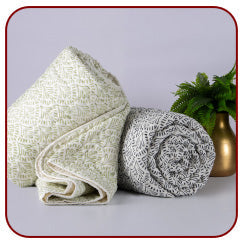
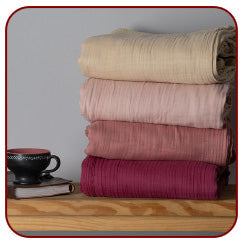
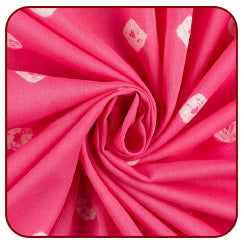
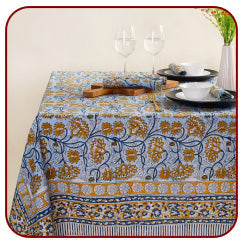

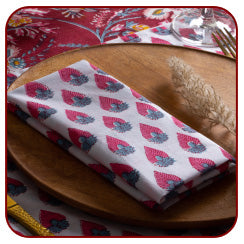

I remember the heat of last July, the kind of Jaipur sun that feels heavy, like a physical weight on your shoulders. I was walking through the workshop, and for a moment, the air just stopped. In that stillness, I ran my hand over a fresh bolt of organic cotton fabric India produces best. It wasn't just soft; it was cool. It felt like a deliberate rebellion against the humidity. In my years as a curator, I’ve realised that most people think of fabric as a cover. I see it as a second skin. If you are going to wear something all day or sleep under it all night, why settle for fibres choked by synthetic chemicals?
The Soul of the Loom: How It’s Made

The story of DMAASA cotton fabric doesn't start at the sewing machine. It begins in a field where the soil is allowed to breathe. We avoid the synthetic rush. To create natural cotton fabric, the process must be slow. Regular cotton is often thirsty and demanding, fed on a diet of pesticides that leave the fibres brittle and angry. Organic farming, however, treats the earth with a certain reverence.
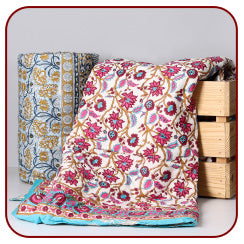
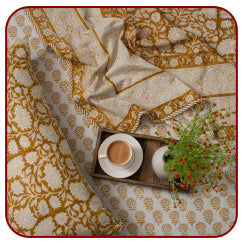
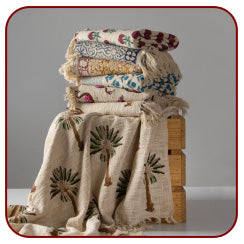
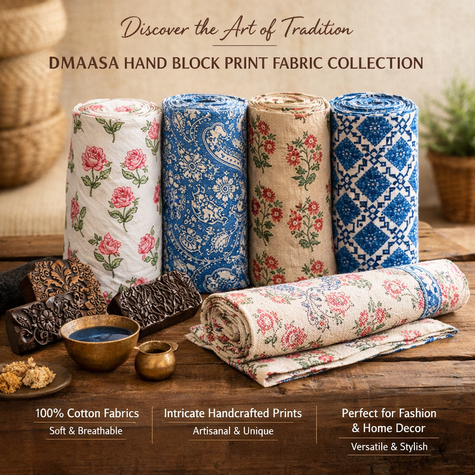
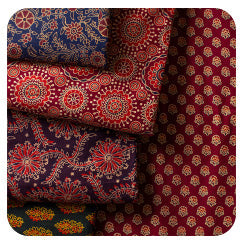
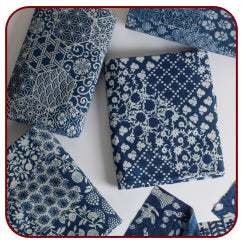
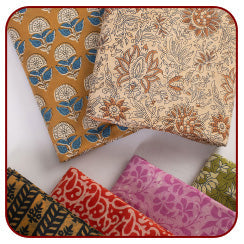
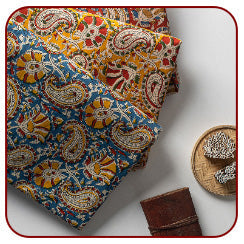
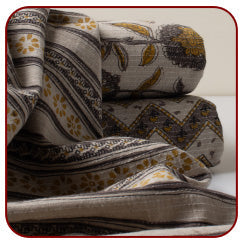
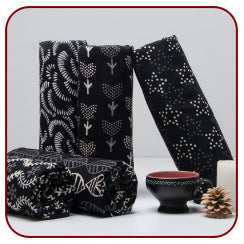
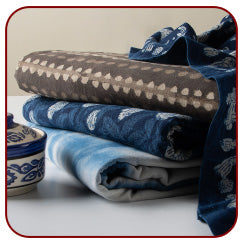
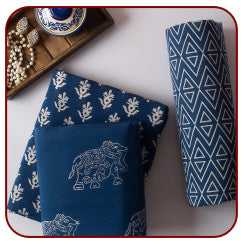
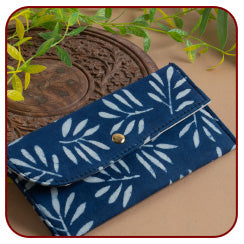
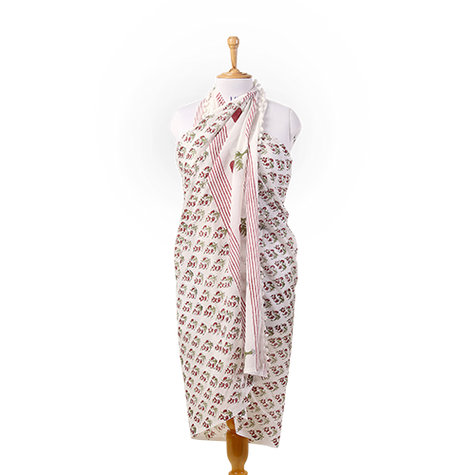
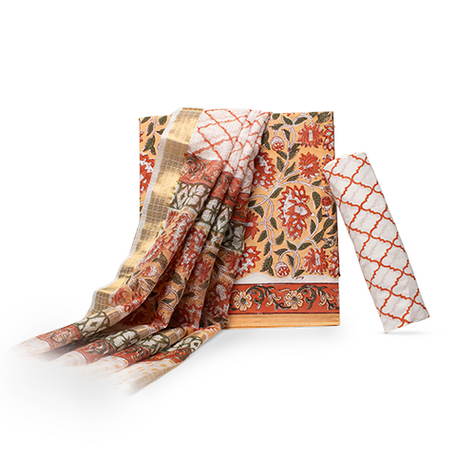
The harvest yields a fibre that is longer and stouter. When we move to the printing tables, the magic of the hand-block-print cotton fabric takes over. Our artisans carve teak wood blocks, dipping them into dyes that don't scream with artificial brightness but hum with earthy depth. Each strike of the hand against the fabric is a heartbeat. It’s a rhythmic, tactile tradition that ensures no two metres are ever quite identical. You aren't just buying a textile; you are acquiring a thumbprint of Rajasthani heritage.
Living with the Fabric: Usage & Care
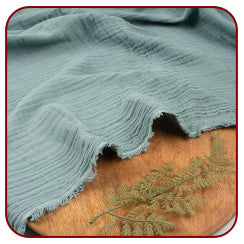
Rarely is the choice so clear when it comes to daily comfort. I find that the breathable cotton fabric India offers is the only way to truly navigate our climate. Because these fibres haven't been stripped by harsh bleaching agents, they retain a natural integrity.
The Seasonal Shift: In the peak of summer, these fabrics wick moisture away; during a monsoon evening, they hold just enough warmth to feel cosy but never stifling.
Washing Wisdom: Always use cold water. Harsh detergents are the enemy of natural dyes.
A gentle soak preserves the "whisper" of the fabric.
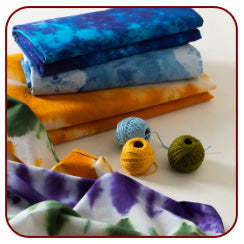
Drying in Shadows: Never let the Rajasthan sun "eat" your colours. Dry your eco-friendly cotton fabric in the shade to keep the indigo and madder vibrant.
The Ironing Truth: I believe in the beauty of a natural crinkle. If you must iron, do it while the fabric is slightly damp to maintain that buttery texture.
From the Bedroom to the Bazaar: Product Integration

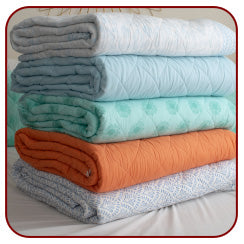
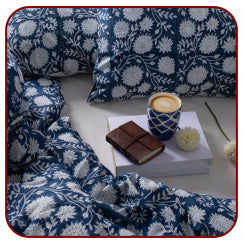
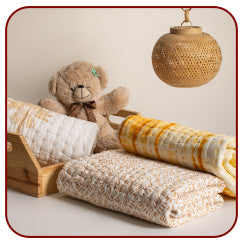
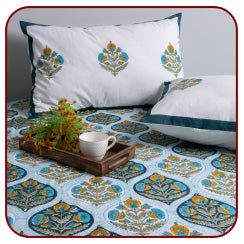
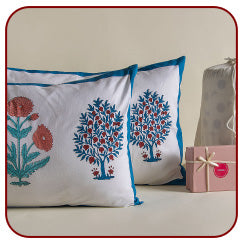
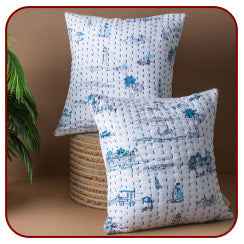
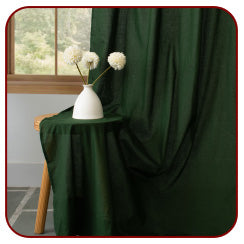
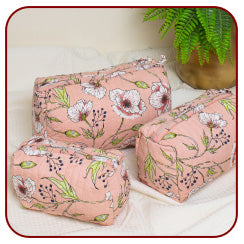
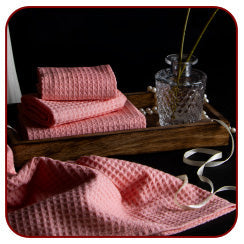
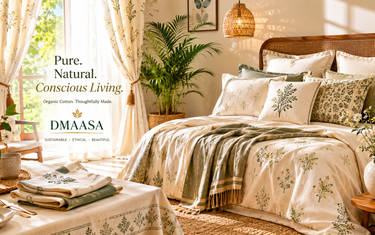
What we craft at DMAASA is a lifestyle of quiet luxury. Think about your morning. You wake up beneath one of our dohar blankets—those lightweight, three-layered wonders—or perhaps a heavy duvet cover that feels like a cloud. Your head rests on pillow covers and cushion covers that are kind to your skin, free from the chemical residues that often cause midnight irritation.
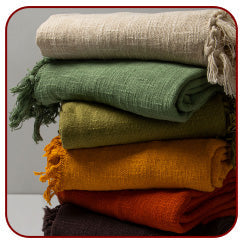
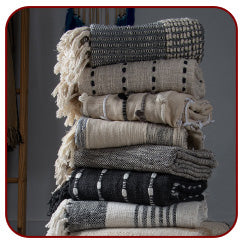
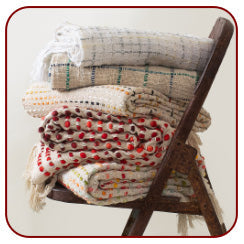
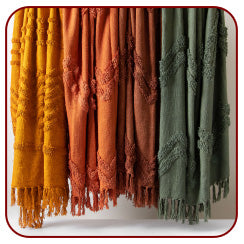
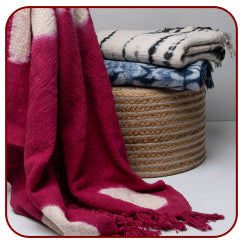
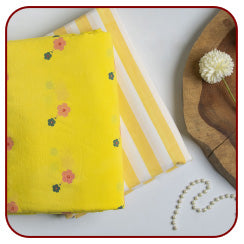
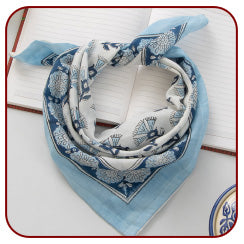
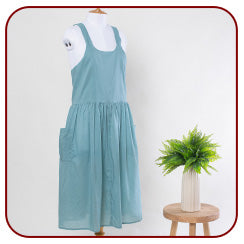
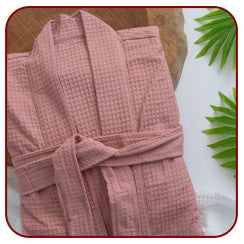
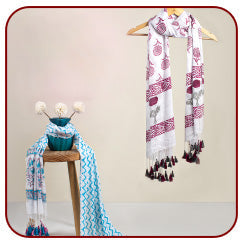
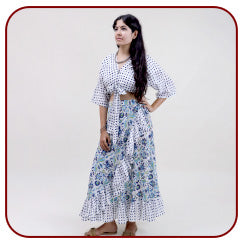
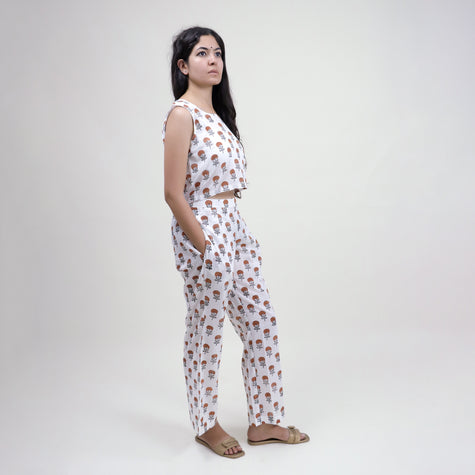
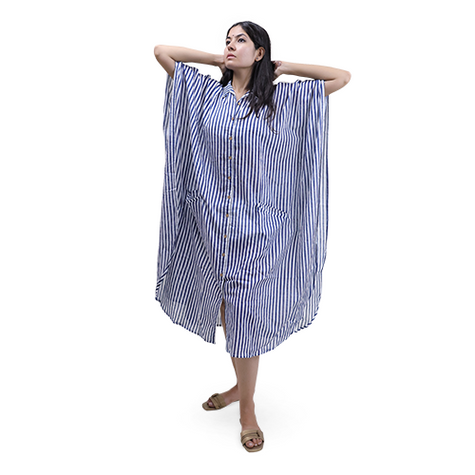
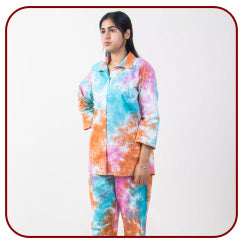
When you step out, the apparel takes centre stage. A coord set or a pant-top set in our pure-cotton fabric India range offers a silhouette that is both structured and fluid. For those who prefer a bespoke touch, our suit material and raw fabrics allow for personal tailoring. Even the small details matter. A scarf, a stole, or a quick bandana tied around the neck adds a splash of hand-block print cotton fabric to a simple outfit. In the dining room, our napkins and throws turn a meal into an event. It’s about surrounding yourself with things that have a soul.
The Honest Truth: Organic vs. Regular
People often ask me if the shift to sustainable cotton textiles is worth the effort. I let them feel the weight of both. Here is how they usually stack up:
|
Feature |
Regular Cotton |
DMAASA Organic Cotton |
|
Chemical Use |
High (Pesticides & Synthetic Dyes) |
Zero (Natural Fertilizer & Eco-dyes) |
|
Skin Feel |
Can be scratchy or stiff |
Buttery soft and hypoallergenic |
|
Durability |
Fibers break down faster |
Stronger, long-staple fibers |
|
Environmental Impact |
High water waste and soil damage |
Soil-friendly and water-efficient |
|
Breathability |
Moderate |
Superior, true chemical-free cotton fabric |
Styling the Organic Way
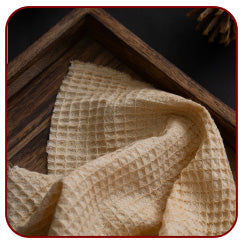
Styling organic cotton is about embracing the "crinkle." I don't believe in over-ironing. There is a certain honesty in the way soft cotton fabric for clothing moves.
Pair a bold, block-printed stole with a crisp white shirt.
Use a throw to break the monotony of a leather sofa.
The benefits of organic cotton fabric aren't just physical; they are aesthetic. The colors, derived from nature, have a matte finish that looks expensive because it is authentic. When you buy organic cotton fabric online India, you are choosing a piece of the earth.
The Final Fold
At the end of the day, my work as a curator is to help you find things that last. Trends are loud and fleeting. A well-made natural cotton fabric piece from DMAASA is a quiet companion. It softens with every wash, becoming more "yours" over time. Whether it’s a bedsheet that welcomes you home or a suit material that gives you confidence in a meeting, the choice is simple: choose the fiber that respects you back.
FAQ
What is organic cotton fabric?
It is cotton grown without synthetic seeds, pesticides, or chemical fertilizers. It relies on natural processes to maintain soil health.
Why should I choose organic cotton fabric in India?
India’s climate demands breathability. Organic cotton is less processed, meaning the natural pores of the fiber stay open, keeping you cooler than regular cotton.