


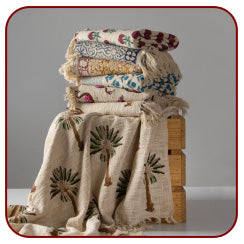
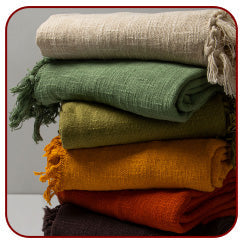
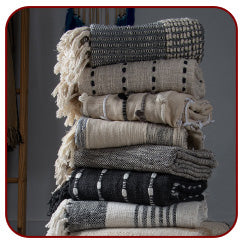
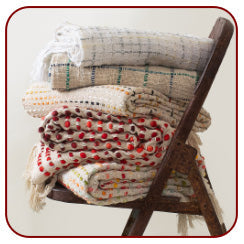
In a world increasingly dominated by the mass-produced and the fleetingly fashionable, there exists a quiet revolution, a return to the roots of artistry and intention. This is the realm of handmade fabrics, where every thread whispers tales of skilled hands, generations of heritage, and a profound connection to nature. For the discerning individual and the conscious consumer, understanding India's artisanal textiles is not just an education—it's an immersion into a living art form.
We're passionate about sharing the stories woven into every piece of Indian cotton, bringing their authentic charm from Dmaasa directly to your home. From the rhythmic thud of the block printer to the meticulous stitch of a Kantha artisan, each fabric we offer is a testament to the enduring spirit of human creativity. Join us as we unravel the captivating journey of these extraordinary materials, exploring their origins, unique characteristics, and how they can elegantly transform your lifestyle.
What Makes Handmade Fabrics Special?
Imagine wearing a garment or adorning your home with a textile that carries the energy of human touch, the subtle imperfections that speak of authenticity, and the vibrant hues derived from the earth itself. This is the inherent magic of handmade fabrics. More than just a product, artisanal textiles are filled with a story and a unique soul that machine-made versions lack.
- A Legacy of Craftsmanship: Each piece is a continuation of ancient traditions, passed down for centuries. These honed techniques represent a living heritage that machine production cannot replicate.
- The Mark of the Artisan: From the slight variations in a block print repeat to the unique texture of a handloom weave, no two handmade pieces are ever identical. These subtle distinctions are not flaws; they are badges of honor, celebrating the individuality of the artisan.
- Sustainability Woven In: Many traditional Indian fabric-making processes are inherently eco-friendly. They often utilize natural dyes derived from plants, minerals, and insects, reducing chemical waste. The emphasis on manual labor also means a significantly smaller carbon footprint.
- Exceptional Quality and Durability: Handmade fabrics, especially those crafted from premium cotton, are known for their remarkable strength and longevity. The careful attention to detail often results in textiles that age gracefully, becoming more cherished with time.
- A Connection to Culture: Owning or wearing a handmade Indian fabric is more than a purchase; it's an embrace of a rich cultural tapestry. It’s a nod to the vibrant artistry and enduring spirit of India.
Traditional Printing Techniques: From Block to Fabric
India's fabric printing legacy is a kaleidoscope of techniques, each one with its own distinct character. These methods transform plain cotton into breathtaking canvases, each pattern telling a unique geographical and historical tale. Discover the allure of hand block printed fabric, a true cornerstone of Indian textile art.
The Art of the Block: A Rhythmic Impression

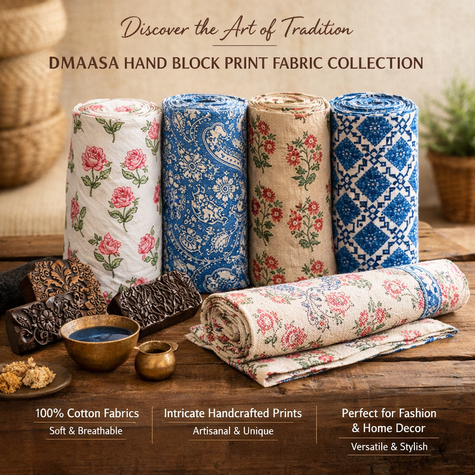
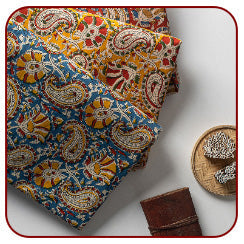
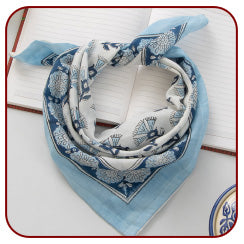
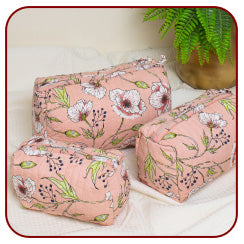
At the heart of many Indian textile traditions lies block printing—a mesmerizing process where intricately carved wooden blocks are dipped in dye and pressed onto fabric. It’s a dance of precision and rhythm, creating patterns that range from delicate florals to geometric marvels.
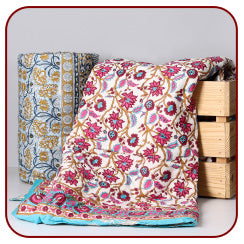
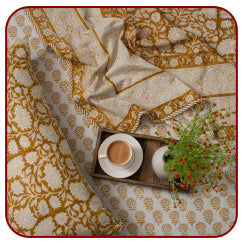
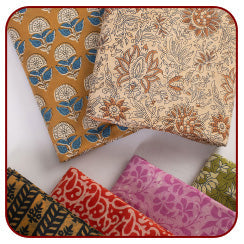
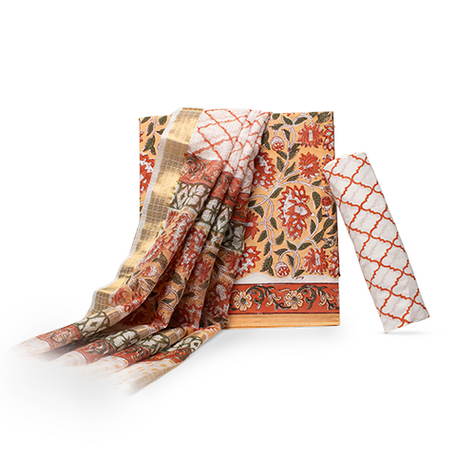
- Jaipur Block Print Fabric: Synonymous with vibrant colors and intricate designs, Jaipur's block prints are often characterized by delicate floral motifs and paisleys. These prints exude a regal charm, reflecting the royal heritage of Rajasthan.
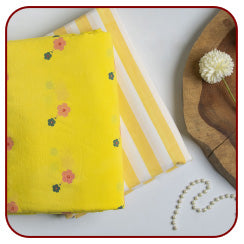
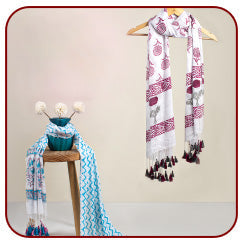
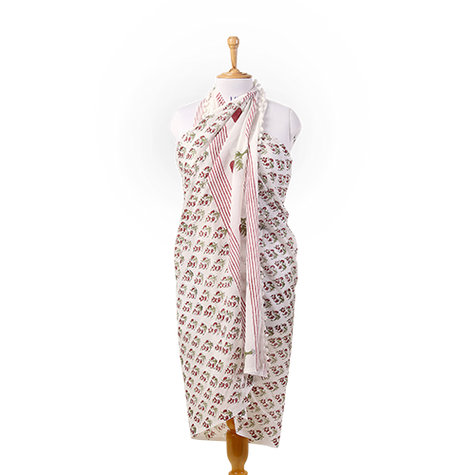
- Sanganeri Print Cotton Fabric: Hailing from the village of Sanganer near Jaipur, these prints are celebrated for their fine lines, small, detailed motifs (often inspired by nature), and a delicate color palette. They frequently feature white backgrounds, allowing the intricate designs to truly shine
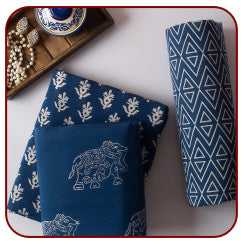
- Bagru Block Print Fabric: From the terrains of Bagru village comes a printing technique distinct in its earthy tones and bold, geometric patterns. Bagru's use of natural dyes, often derived from indigo and madder, gives the fabrics a rich, muted aesthetic. It's a testament to ancient dyeing traditions.
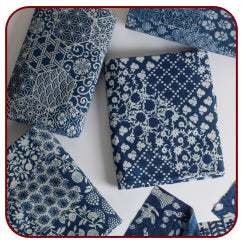
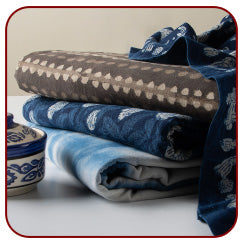
- Dabu Mud Resist Fabric: A truly artisanal technique, Dabu (meaning 'to press' in Hindi) is a mud-resist printing method predominantly practiced in Rajasthan. A special mud resist paste is applied onto the fabric. Once dried, the fabric is dyed, and the mud acts as a resist, preventing the dye from penetrating those areas. The mud when washed off, reveals stunning, often organic patterns. The unique textures and organic depth of dabu mud resist fabric are highly prized, often highlighted by beautiful indigo patterns.
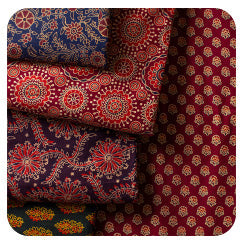
- Ajrakh Print Fabric: This complex and revered form of block printing uses natural dyes and a mud-resist technique, predominantly found in Kutch, Gujarat. Dyeing, washing, and printing are all part of the multi-stage process. Ajrakh print fabric is known for its intricate geometric patterns and a characteristic color palette of deep indigo, rich madder red, and black.
- Discharge Hand Block Print Fabric: A unique technique where a bleaching paste is applied to pre-dyed fabric using carved blocks. This removes the existing color, revealing the natural, lighter shade of the fabric underneath and creating beautiful patterns. The result is a subtle and refined design, often seen on indigo or black fabrics.
Natural Dyeing: The Earth's Own Palette
The beauty of many Indian prints is amplified by the use of natural dyes. This age-old practice involves extracting colors from plants, minerals, and insects, resulting in hues that are rich, nuanced, and environmentally conscious.
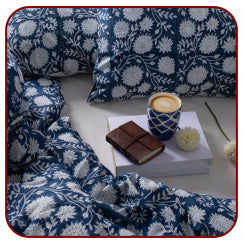
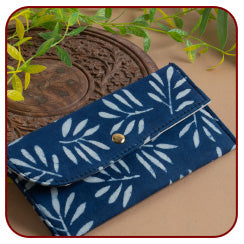
- Indigo Print Fabric: The deep, mesmerizing blues of indigo print fabric are instantly recognizable. This dye, derived from the Indigofera plant, has been in use for millennia. In India, indigo dyeing is a meticulous process, often involving multiple dips to achieve desired shades. The depth and richness of natural indigo's blue are truly unparalleled, whether it's a solid, a block print, or a shibori fabric. It’s a hallmark of natural dye indigo fabric, celebrated for its sustainability and timeless appeal.
Embroidered Fabrics & Dynamic Dyeing: Stitched Stories and Swirling Hues
Beyond the block, India's textile artistry extends to intricate needlework and dynamic dyeing methods that transform plain cloth into masterpieces of texture and color.
Kantha: The Art of Upcycled Storytelling
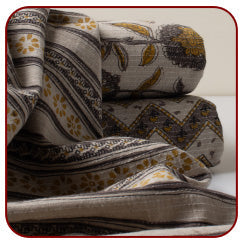
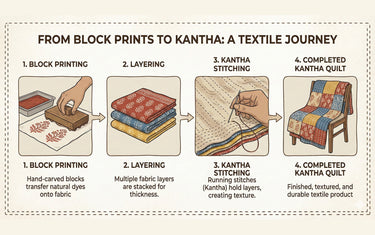
Kantha, an exquisite form of hand embroidery, has its origins in the eastern regions of India . Traditionally, old saris were layered and stitched with a running stitch to create soft, durable quilts and throws. This act of repurposing gives hand stitched kantha fabric a profound sense of history and sustainability.
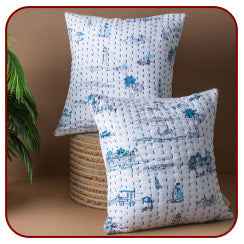
- Kantha Embroidered Cotton: Each kantha embroidered cotton piece is a canvas for the artisan's imagination, featuring motifs from flora to geometric patterns. The beauty lies in the slightly irregular, charming stitches that create a beautiful texture and often a reversible design. Kantha fabric online offers a chance to own a piece of this living textile heritage, perfect for adding warmth and character.
Shibori and Tie-Dye: The Magic of Resist Dyeing
Captivating patterns are created with these techniques by folding, twisting, or binding the fabric before dyeing to resist the dye.
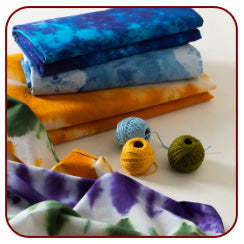
- Tie-Dye Cotton Fabric: A universally loved technique, tie-dye involves tying sections of fabric tightly with thread before immersion in dye. The resist prevents the dye from penetrating the tied areas, resulting in a mesmerizing array of swirls and abstract bursts of color. Indian tie-dye often utilizes vibrant, multi-hued palettes.
- Shibori Dyed Fabric India: More refined than the broad category of tie-dye, Shibori is an ancient Japanese resist-dyeing technique that has found a beautiful home in India. Folding, binding, and compressing the fabric are all part of this process, which creates intricate and precise patterns. Shibori dyed fabric India often uses indigo as the primary dye, showcasing stunning geometric and abstract designs that evoke a sense of calm sophistication.
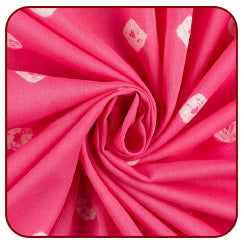
- Bandhani Print Fabric: A highly intricate and skilled form of tie-dye from Gujarat and Rajasthan. The process involves tying tiny knots on the fabric with thread to create a design. When dyed, the knotted areas resist the color, revealing a pattern of beautiful, tiny dots.
Modern Fabrics with a Handmade Touch: Versatility and Texture
Certain fabrics lend themselves beautifully to handcrafted embellishments, blending contemporary appeal with timeless quality.
- Cotton Canvas Fabric for Decor: A sturdy, durable, and versatile fabric, cotton canvas fabric for decor is an excellent choice for home furnishings. Its robust weave makes it ideal for upholstery or cushion covers. When adorned with hand block prints or subtle Shibori patterns, canvas transforms into a statement piece.
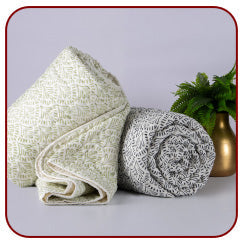
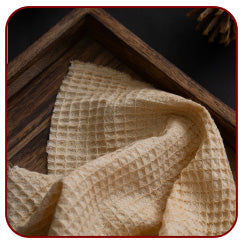
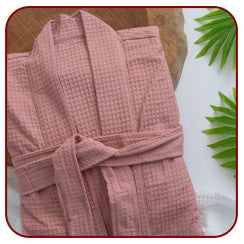
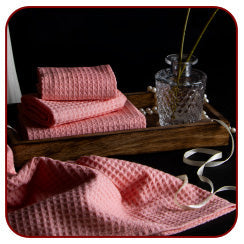
- Waffle Fabric: Known for its distinctive honeycomb-like weave, waffle fabric is incredibly absorbent and offers a unique texture. It’s perfect for everything from bathrobes to lightweight blankets.
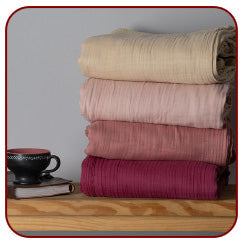
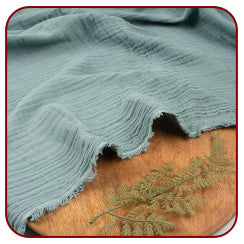
- Gauze Fabric Online India: For those seeking airy lightness, gauze fabric online India offers an exquisite solution. This loosely woven, sheer cotton fabric is incredibly breathable and soft, making it perfect for summer apparel or delicate curtains. It's the epitome of lightweight handmade fabric, offering comfort and elegance.
- Solid Fabric: The foundation of any great design, a simple, solid-colored cotton fabric can be a powerful statement. Our solid cotton fabrics are hand-dyed to achieve rich, vibrant colors. They are perfect for minimalist apparel or for acting as a perfect backdrop to showcase more intricate patterns.
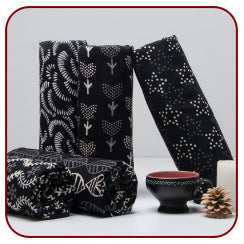
- Black & White Fabric: The timeless elegance of a black and white palette is unparalleled. We use natural dyes and traditional block printing to create striking black & white fabric with bold geometric patterns and classic floral motifs. It's a versatile choice that adds sophistication to any space or wardrobe.
How to Style Handmade Fabrics in Fashion & Home Decor
The beauty of Indian handmade fabrics lies in their incredible versatility. They can be seamlessly integrated into both your personal style and your living spaces.
In Fashion: Effortless Elegance
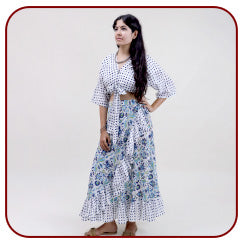
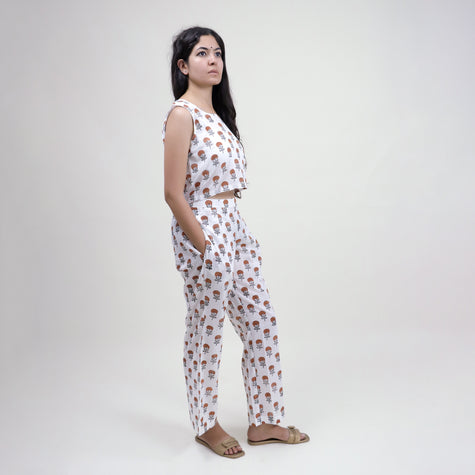
- The Statement Blouse: A hand block printed fabric blouse, in a delicate Sanganeri print or a bold Bagru pattern, can elevate simple jeans or a plain skirt.
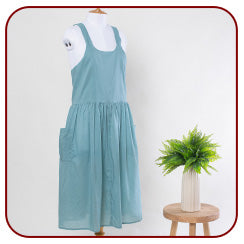
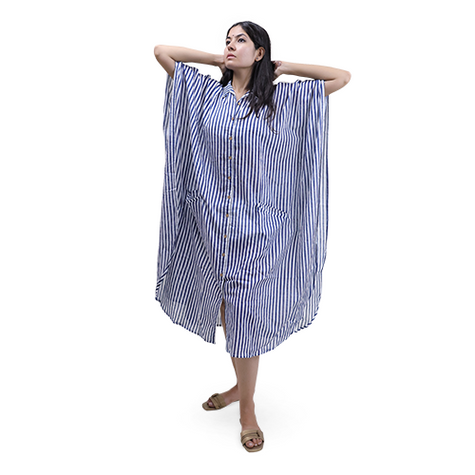
- Flowing Dresses & Tunics: Embrace the comfort and beauty of artisanal fabrics for clothing by opting for dresses or tunics made from lightweight cottons with indigo or tie-dye patterns.
- Kantha Scarves & Jackets: A kantha scarf is an easy way to add a splash of color and texture to any look. Consider a hand stitched kantha fabric jacket as a unique, artistic layering piece.
- Shibori Accents: Incorporate shibori dyed fabric India into your wardrobe through a chic top, a statement skirt, or even a unique tote bag. Its sophisticated patterns make it ideal for a refined bohemian look.
- Men's Wear: A subtle Bagru print shirt or an indigo-dyed kurta can add a sophisticated, global touch to a man's wardrobe.
In Home Decor: A Sanctuary of Style
Transform your home into a haven of comfort and curated beauty with our range of handmade fabrics online India.
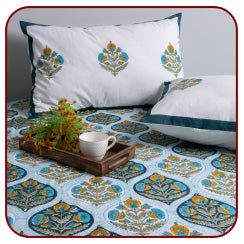
- Bedsheets & Duvet Covers: Imagine slipping into bed enveloped by the softness of Jaipur block print fabric bedsheets or the calming hues of an indigo cotton fabric online duvet cover. Our extensive range offers prints from subtle Sanganeri to vibrant multi-colored options.
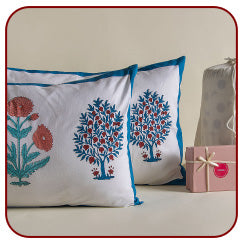
- Pillow Covers & Cushion Covers: These are the easiest way to introduce artisanal charm. Instantly refresh your sofa with a new set of artisanal, block-printed cushion covers. You can also mix and match them with kantha embroidered or tie-dye fabric cushions for a harmonious, eclectic look.
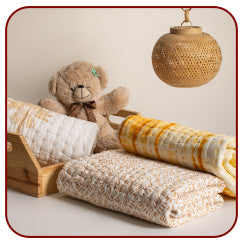
- Dohar Blankets: Our dohar blankets, made from soft, breathable cotton, are perfect for year-round comfort. If you're looking for a subtle, delicate style, consider a Sanganeri print. For a bold, vibrant statement, go with a Bagru print. The choice is yours. They are lightweight yet warm, ideal for layering or as a standalone throw.
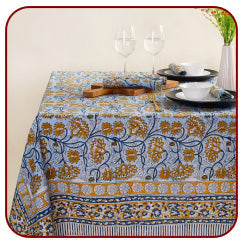
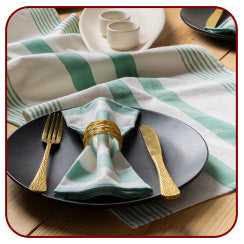
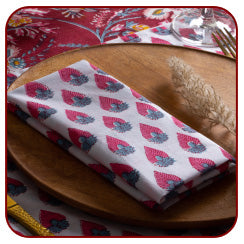
- Table Linens: Elevate your dining experience with traditional block print fabric tablecloths or placemats. An eco-friendly block printed fabric runner adds a touch of conscious luxury to any meal.
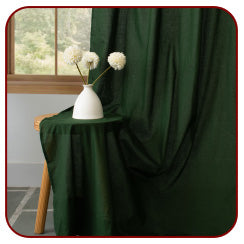
- Curtains & Drapes: Light and airy gauze fabric online India with a subtle print can create a dreamy ambiance, while a more substantial cotton canvas fabric for decor with a bold Dabu print can serve as a striking focal point.
- Wall Hangings: A large piece of hand block printed fabric can be framed or hung as a textile art piece, bringing color and texture to your walls. A natural indigo dyed fabric wall hanging makes for a serene and artistic statement.
Caring for Handmade Fabrics: Preserving Their Beauty

Handmade fabrics, especially those made from natural cotton and dyes, require a little extra care to ensure their longevity and vibrant beauty.
- Gentle Washing: Always hand wash or use a gentle cycle in cold water with a mild, pH-neutral detergent. Avoid harsh chemicals or bleach, especially for naturally dyed items.
- Separate Washes: For the first few washes, particularly with naturally dyed indigo print fabric or tie dye cotton fabric, wash separately to prevent any color bleeding.
- Air Drying is Best: Line dry in the shade to prevent fading and shrinkage. Avoid direct sunlight.
- Iron on Reverse: Protect prints and embroidery by ironing the fabric on the reverse side with a medium heat setting.
- Storage: Store in a cool, dry place, away from direct sunlight and humidity.
Frequently Asked Questions
What are handmade fabrics?
Handmade fabrics are textiles created using traditional, manual techniques rather than industrial machinery. This includes processes like handloom weaving, block printing, various forms of resist dyeing (like Dabu, Shibori, and tie-dye), and intricate hand embroidery such as Kantha. They are characterized by their unique textures, subtle imperfections, and the artisanal touch of their makers.
What is the difference between Bagru and Sanganeri prints?
Both are forms of block printing from Rajasthan, but they differ significantly. Sanganeri print cotton fabric is known for its fine lines, delicate floral motifs (often on a white background), and a lighter, more intricate aesthetic. Bagru block print fabric, on the other hand, typically uses natural dyes, resulting in earthy tones (deep reds, blacks, creams) and bolder, often geometric patterns on an off-white or beige base, giving it a more rustic and organic feel.
Why is indigo fabric considered sustainable?
Indigo print fabric is sustainable primarily because the dye is derived from a natural plant source. This reduces reliance on synthetic, petroleum-based dyes which can be harmful to the environment. The traditional dyeing processes are often less energy-intensive and produce less chemical waste, making natural dye indigo fabric an eco-friendly handmade textile choice.
What makes Kantha fabric unique?
Kantha fabric online is unique for its distinctive running stitch embroidery, traditionally used to layer old saris and dhotis into new textiles. This makes hand stitched kantha fabric inherently sustainable, as it upcycles existing materials. Each piece is a canvas for unique, freehand motifs, making every kantha embroidered cotton textile a one-of-a-kind piece of art with a rich history and texture.
Is Shibori the same as tie-dye?
Shibori is a Japanese resist-dyeing technique that is a form of tie-dye, but it is typically more sophisticated and involves a wider range of precise methods. While tie-dye can be broad and free-form, shibori dyed fabric India often uses techniques like folding, binding, twisting, and compressing fabric to create more intricate, controlled patterns, frequently utilizing indigo dye to achieve elegant, detailed designs.
Can handmade fabrics be machine washed?
While some sturdy handmade cottons can be machine washed on a gentle, cold cycle, it's always recommended to hand wash to best preserve their quality, colors, and intricate details, especially for items with delicate embroidery or natural dyes. To preserve the fabric, go for a mild, no chemical detergent and air-dry it in the shade.
Where can handmade fabrics be used?
Handmade fabrics from India are incredibly versatile, perfect for creating clothing such as dresses, shirts, scarves, and jackets. In home decor, they are perfect for bedsheets, duvet covers, pillow covers, cushion covers, dohar blankets, curtains, table linens, and even unique wall hangings. Their unique charm elevates any space or ensemble.
At Dmaasa, we believe in the power of conscious choices. When you choose a handmade fabric, you're not just acquiring a product; you're investing in a legacy of artistry, supporting skilled artisans, and bringing a piece of India's soulful heritage into your life. Explore our exquisite collection of Indian handmade fabrics and discover the profound beauty woven into every thread.
Relevan Blogs: Linen vs Cotton | Ultimate Fabric | Genuine Hand Block Printing | Jaipuri Razai | Authentic Hand Block Printed Fabrics |