


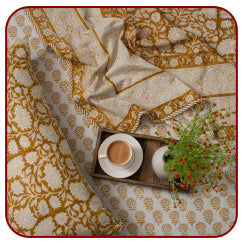
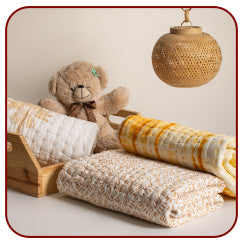
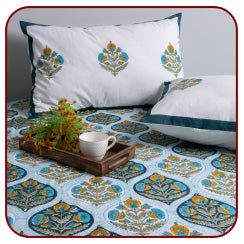
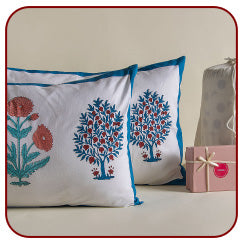
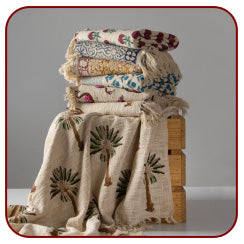
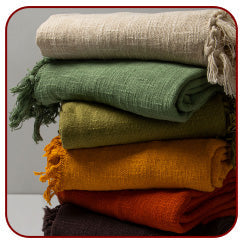
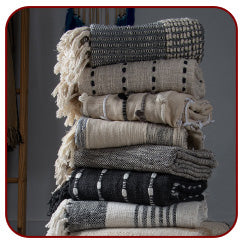
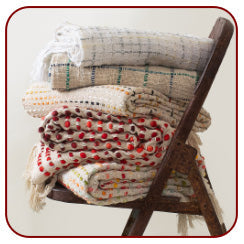

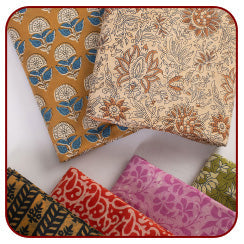
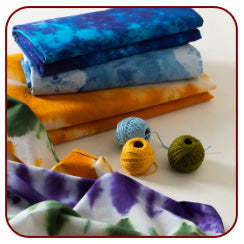
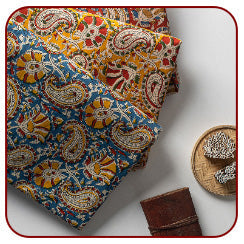
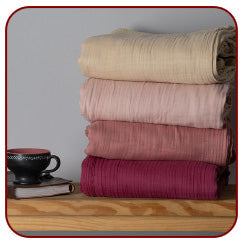
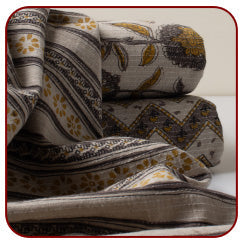
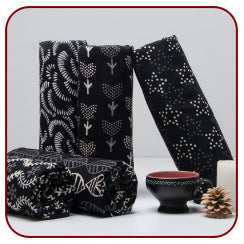
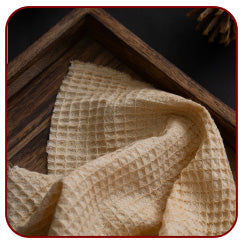
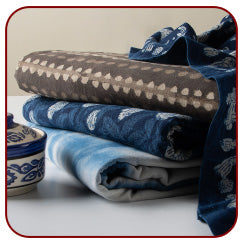
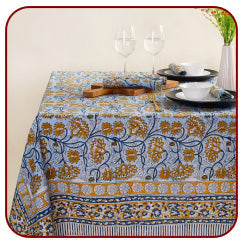

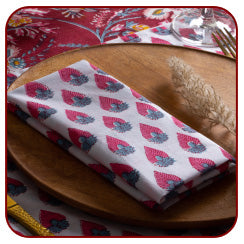

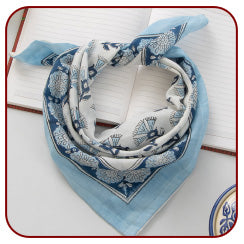
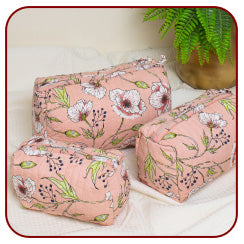
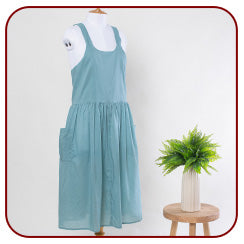
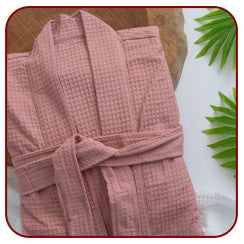
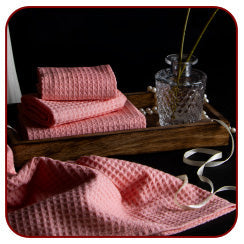
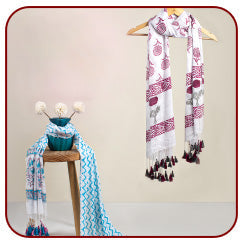
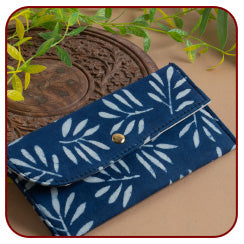
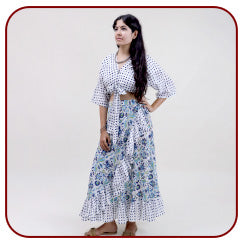
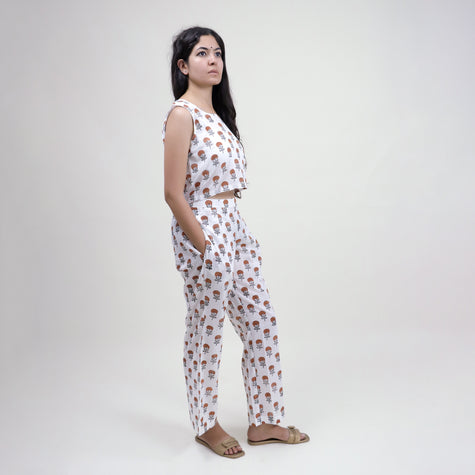
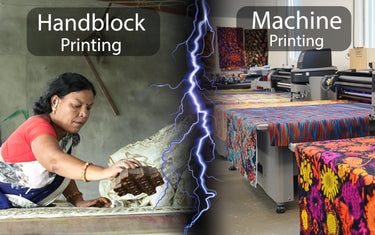
In the vibrant tapestry of global fashion and home décor, few textile traditions hold as much allure and history as Indian prints. They tell tales of a centuries-old craft, sun-drenched lands, and the ingenuity passed down through generations of artisans. From the runways of Paris to the most discerning homes, these patterns captivate with their intricate beauty and rich narratives. However, amidst this widespread adoration, a subtle yet significant confusion has emerged: the delicate distinction between authentic hand block prints and their machine-made counterparts.
Understanding this difference isn't merely an exercise in connoisseurship; it's a journey into the heart of sustainability, artisan heritage, and the true value of craftsmanship. In a world increasingly dominated by mass production, the soul of a hand-printed textile offers a rare connection to human touch and artistic integrity. Join us as we unravel this fascinating dichotomy, empowering you to discern the genuine artistry that elevates a piece from mere fabric to a cherished heirloom.
Why prints are so popular in Indian textiles and global fashion.
Indian textiles have long been a source of fascination and inspiration, blending age-old techniques with designs that feel both timeless and contemporary. The popularity of these prints stems from their rich cultural stories, vibrant color palettes, and the unique, handmade character that sets them apart. They’ve transcended borders, appearing on runways, in luxury homes, and in everyday wardrobes, thanks to their ability to infuse any item with a touch of handcrafted elegance.
The rising confusion between hand-block prints and machine-made imitations.
With the global demand for these beautiful patterns skyrocketing, the market has been flooded with imitations. Modern technology, especially digital and screen printing, can replicate complex designs with stunning precision and at a fraction of the cost. To the untrained eye, these machine-made prints can look almost identical to their authentic, handmade counterparts, leading to confusion and, at times, disappointment for consumers seeking the real thing.
Why understanding the difference matters (authenticity, sustainability, value).
Knowing how to differentiate between hand block print and machine print is a skill that empowers you to make a more conscious choice. It's about recognizing authenticity, supporting a sustainable craft, and investing in a product that holds genuine value. When you choose an authentic hand-blocked item, you are not only getting a beautiful, unique piece but also contributing to the livelihood of skilled artisans and preserving a precious cultural heritage.
History of Hand Block Printing
The story of Indian block printing in India is a tale woven over thousands of years. From the desert villages of Rajasthan and Gujarat to the coastal towns of Andhra Pradesh, this craft has deep roots. Areas like Bagru, known for its traditional resist-dying techniques, and Sanganer, famous for its delicate floral motifs, have become synonymous with the art. The history of block printing isn't just about technique; it’s about a legacy passed down through generations, each family of artisans a keeper of unique patterns and secrets. This ancient craft thrived until the advent of industrialization, which introduced faster, more uniform methods of printing. While machine printing brought a new level of efficiency, it also began to threaten the traditional, slower artistry of the block printer.
What is Hand Block Printing?
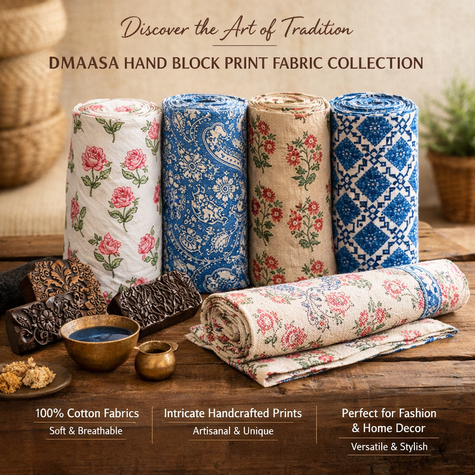
The very soul of hand block printing is a slow, thoughtful process that demands a high degree of precision. It’s an art form that requires immense patience and skill, and it's what makes each piece so special. The process begins with master artisans hand-carving intricate designs into wooden blocks, often from teak or sheesham wood. Each individual color within a design calls for its own dedicated block.
Once the blocks are ready, the artisan prepares the dyes. Traditionally, natural dyes derived from plants and minerals were used, making the process eco-friendly. The artisan then dips the carved block into the dye and, with a steady hand, presses it onto a stretched piece of fabric. This is where the magic happens. The artisan must align each subsequent impression perfectly, a feat of practiced hand-eye coordination. A single bedsheet or dohar can require hundreds, if not thousands, of stamps.
This manual process ensures that no two pieces are identical. Small imperfections—a slight variation in pressure, a tiny misalignment, or a subtle bleed of color—are the hallmarks of a genuine hand block print. These are not flaws; they are the unique signature of the artisan, a testament to the human touch that a machine can never replicate. This is the very essence of handmade block printing.
What is Machine Printing?
In stark contrast, machine printing relies on modern technology to achieve speed and perfect uniformity. The most common methods are digital printing and screen printing.
Digital printing is a direct, technological heir to the inkjet printer, but instead of paper, it paints patterns directly onto fabric. Designs are created on a computer and printed directly onto the fabric, allowing for intricate details and a wide spectrum of colors. It’s incredibly fast and offers immense flexibility in design, but the ink sits on top of the fabric rather than penetrating the fibers.
Screen printing works by using a different stencil, or screen, for every color in the design, and a large machine then pushes the ink through the stencils onto the cloth. While more efficient than hand blocking, it still requires a different screen for each color layer, a process that is fully automated to ensure perfect alignment and consistency.
Both methods are designed for mass production. They use synthetic dyes that offer a perfect, uniform finish with no variations. While this delivers a clean, flawless look, it lacks the tactile depth and unique character of a hand-blocked piece.

Hand Block Print vs Machine Print: Key Differences
Discerning a true hand block print from a machine-made copy can be simple once you know what to look for. To help you distinguish between them, here are the key differences.
- Edges of the Print: Look closely at the outline of the design. A hand block print fabric will often have slightly blurred or softer edges, sometimes with a very slight color bleed. This is a natural result of the block pressing unevenly. Machine-printed fabric, on the other hand, will have perfectly sharp, crisp, and precise edges. This is a crucial point of difference between digital print fabric vs block print.
- Print Penetration: Flip the fabric over. Flip over an authentic hand block printed cotton fabric and you'll find that the design is faintly visible on the back. The dye penetrates deep into the fibers. With machine prints, especially digital ones, the back of the fabric will be mostly unprinted or have a significantly lighter, almost non-existent design.
- Uniformity: A machine print will have a flawless, perfectly consistent pattern across the entire length of the fabric. Every motif will look identical to the next. A traditional hand block printing India piece will show subtle variations—minor misalignments, overlaps, or small gaps. These are not flaws; they are the proof of its handcrafted nature.
- Feel of the Fabric: Run your hand across a hand block printed piece and you'll notice a faint, tactile texture from the pressed dye. In contrast, machine prints are consistently flat and smooth to the touch since the ink simply rests on the fabric's surface without altering its feel.
Why It’s Important to Identify Authentic Prints
Choosing an authentic block print fabric is about more than just aesthetics. It’s a conscious decision that impacts the environment, the artisans, and the value of your purchase.
- Supporting Artisans: By buying authentic pieces, you are directly supporting the communities that have preserved this ancient art form for centuries. You help ensure that this skill remains viable for future generations, preventing it from being lost to mass production.
- Sustainability: Many traditional eco-friendly fabric printing techniques use natural, Azo-free dyes and sustainable processes. This reduces the chemical waste often associated with large-scale industrial textile production.
- Enduring Value: An authentic hand block print is a true investment. Its unique character and superior quality make it a piece to be cherished for years, unlike a mass-produced item that might be discarded as trends change.
How to Spot Authentic Hand Block Print Fabric (Buyer’s Guide)
When you're shopping for Indian hand block printed textiles, keep these tips in mind to ensure you’re getting the real deal:
- Look for Imperfections: Don't be fooled by perfect symmetry. Search for subtle irregularities—minor smudges, misalignments, or variations in color. These are signs of a genuine, handmade product.
- Check the Backside: Always ask to see the reverse side of the fabric. If the design is visible on both sides (even if faint on the back), it’s a strong indicator of hand blocking.
- Ask Questions: A reputable seller will be proud to share the story behind their products. Ask about the origin, the artisans, and the types of dyes used. This is especially true for companies like Dmaasa, which champions genuine, artisan block printing techniques.
- Consider the Price: The intricate, labor-intensive process of hand block printing means it's naturally more expensive than machine printing. If the price seems too low for a "hand-blocked" item, it's likely a mass-produced imitation.
Hand Block Prints in Modern Fashion
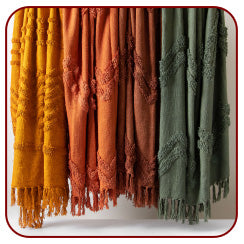
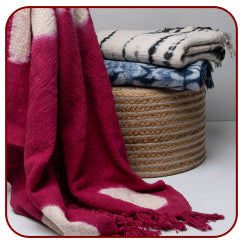
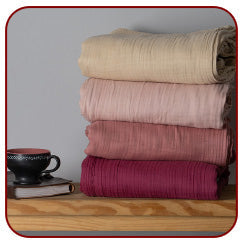
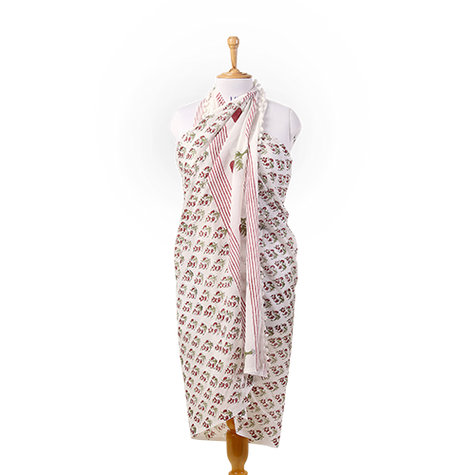
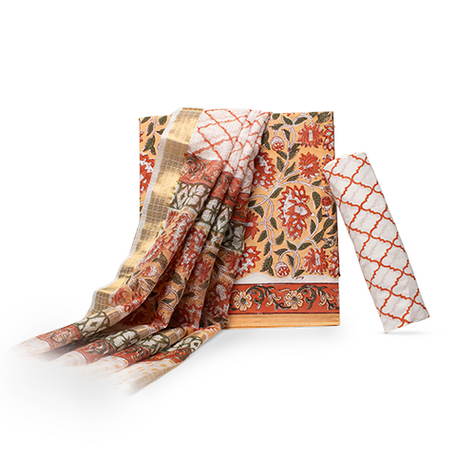
The timeless appeal of hand block prints has made them a staple in contemporary fashion and home décor. They bring a touch of old-world charm to modern living, perfectly blending with various aesthetics. At Dmaasa, our collection of Dmaasa hand block print fabrics showcases this versatility.
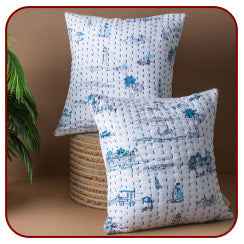
Imagine a living space transformed with our hand block printed cotton bedsheets and matching pillow and cushion covers. The intricate florals and precise geometric patterns infuse a sense of calm and opulence into a space. Our dohar blankets, with their lightweight feel and beautiful prints, are perfect for adding a layer of comfort and style.
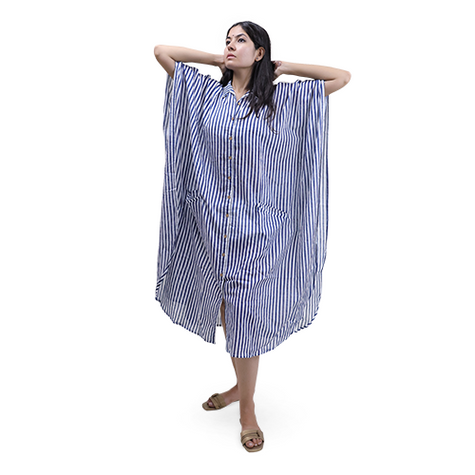
The beauty of these authentic Dmaasa fabrics online is that they can be styled in so many ways. For a bohemian-chic look, layer a vibrant printed duvet cover with a contrasting solid-colored throw. For a more minimalist feel, let a single Dmaasa block print fabric pillow be the statement piece on your sofa. Our Dmaasa hand block print outfits, like flowing cotton kurtas and tunics, are perfect for a comfortable yet elegant look, easily styled with jeans for a casual outing or with tailored trousers for a more polished feel.
With options for every part of your home—from bedsheets and duvet covers to dohar blankets—our collection offers a way to incorporate the beauty of this traditional craft into your modern life.
Conclusion
In a world that often prioritizes speed over soul, the distinction between hand block print and machine print serves as a powerful reminder of the enduring value of human artistry. The choice to purchase a hand block printed piece is a decision to embrace a story, a legacy, and a direct, tangible link to the skilled hands that made it. It's an investment in beauty, sustainability, and cultural preservation.
When you invest in a Dmaasa hand block printed product, you're not just acquiring a textile; you're bringing home a piece of India's heart, a whisper of ancient traditions, and an eloquent testament to the stunning beauty of genuine craftsmanship. Let your home and your wardrobe reflect a conscious appreciation for the unique, the handmade, and the truly unforgettable.
Hand Block Print and Digital Print FAQ
What is the main difference between hand block print and machine print?
The main difference is the creation process. Hand block printing is a hands-on craft where skilled artisans press carved wooden blocks onto fabric, which creates patterns that are unique due to their slight, charming imperfections. Machine printing uses automated methods like digital or screen printing, resulting in perfect uniformity and crisp lines.
How can I tell if a fabric is hand block printed?
Look for subtle signs like blurred edges, minor misalignments in the pattern, slight color bleeding, and variations in color saturation. Also, check the reverse side of the fabric; a genuine hand block print will show a faint version of the design.
Why are hand block prints more expensive than machine prints?
Hand block prints are more expensive due to the intensive labor, time, and skill involved. Every single piece is an artistic creation, as a master artisan painstakingly hand-stamps the design, a process that is far slower and more crafted than automated machine printing.
Are machine prints bad?
No, machine prints are not inherently "bad." They serve a different purpose, offering cost-effectiveness, high volume, and perfect consistency for mass-produced items. However, they lack the unique character, artisan connection, and often the sustainable practices associated with traditional hand block printing.
Where can I buy authentic hand block print fabrics?
You can find authentic hand block print fabrics from reputable brands and artisans committed to traditional craftsmanship. Dmaasa.in is an excellent source for buying authentic block print fabric online, offering a wide range of Indian cotton products like bedsheets, duvet covers, and cushion covers, all made with genuine hand block printing techniques.
Relevant Blogs: Using Block Prints to Add a Modern Twist | Power of the Pant-Top Set with Dmaasa! | History of Hand Block Printing in India | Guide to Bedsheet Fabrics | Cord Set for Summer