


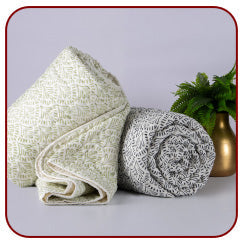
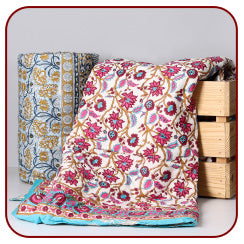
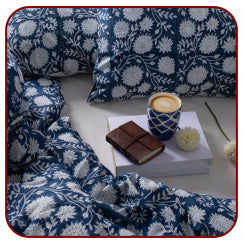
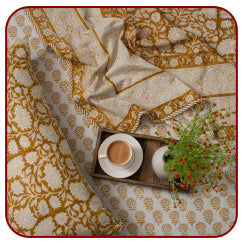
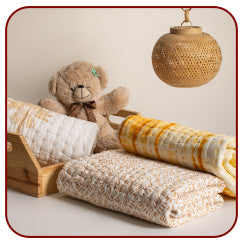
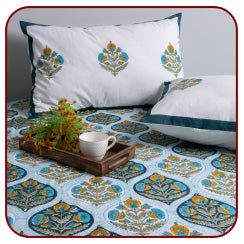
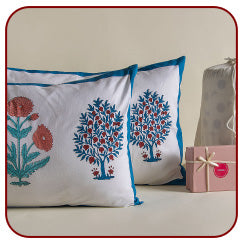
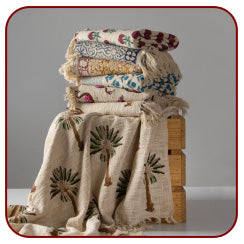
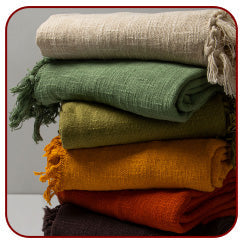
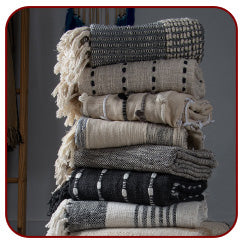
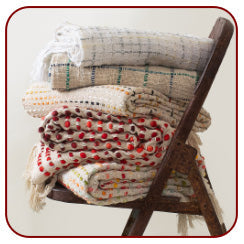

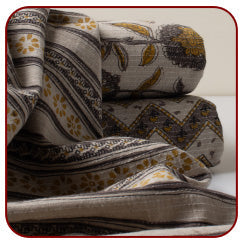
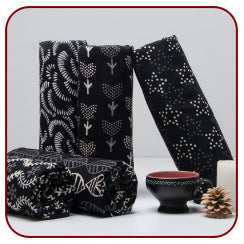
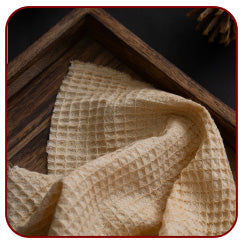
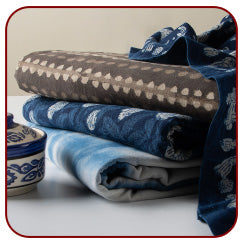
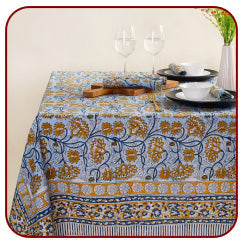
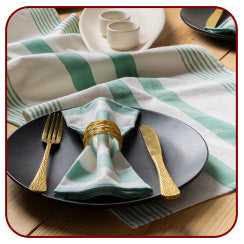
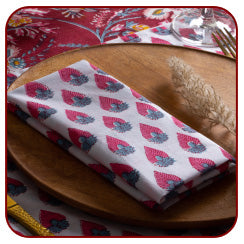
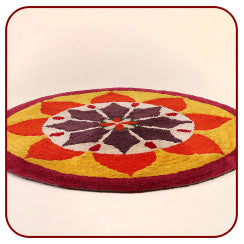

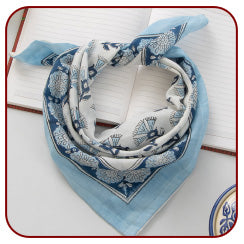
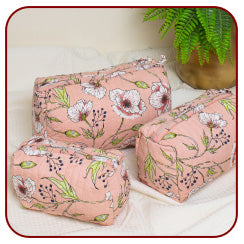
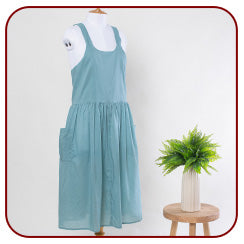
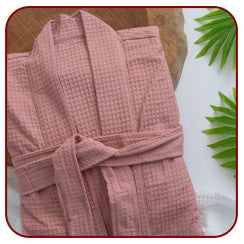
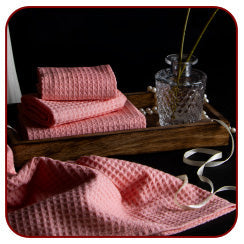
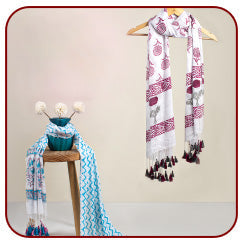
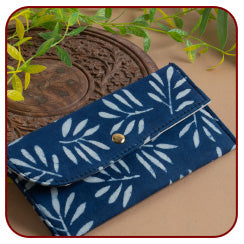
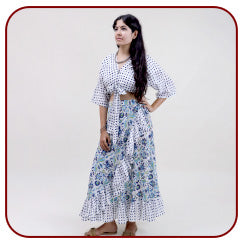
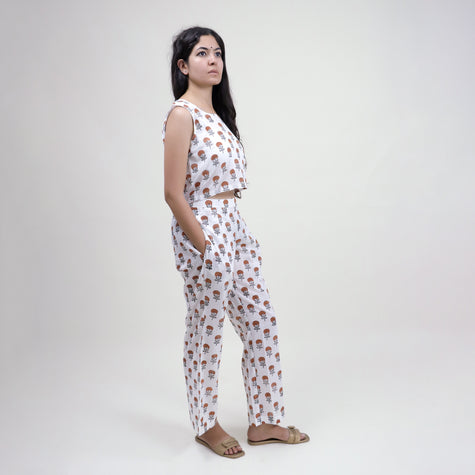
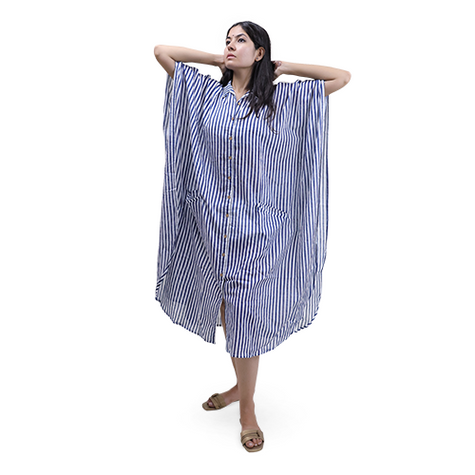
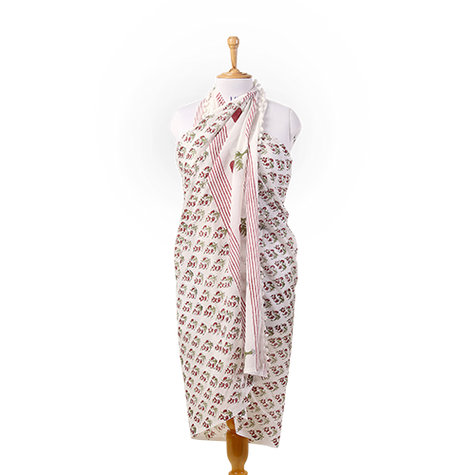
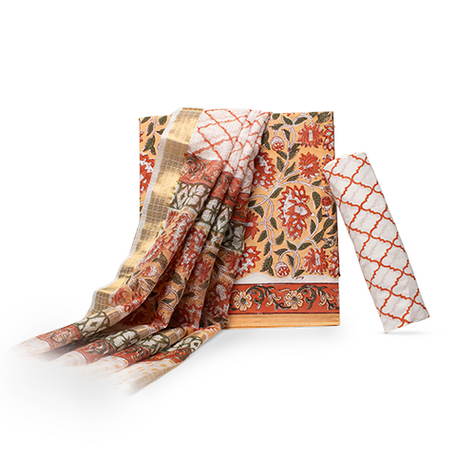
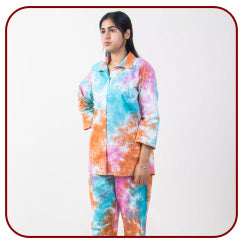

In a world of mass production, where textiles are created by the kilometre, there exists an art form that refuses to be hurried. Hand block printing is a dialogue between the artisan's hand and the heart of the fabric, a legacy of patience and precision passed down through generations. At dmaasa, we are not just curators of beautiful textiles; we are storytellers, and this is the story of a craft that breathes life into pure Indian cotton. It is an art form that speaks of heritage, culture, and the timeless beauty of the handmade.
Carved Beginnings: Tracing the Ancient Roots
With a history spanning more than 4,000 years, hand block printing in India has a storied and legendary journey dating back to the ancient Indus Valley Civilization. Fragments of cloth found at archaeological sites reveal a mastery of natural dyes and intricate patterns, showcasing a sophistication that was centuries ahead of its time. This craft was a cornerstone of India's textile trade, with hand-printed fabrics becoming coveted exports from ancient port cities. This was the beginning of a tradition where carved wooden blocks became the brushes and cloth became the canvas.

A Spectrum of Style: Regional Variations and Iconic Designs
As the craft flourished, different regions developed their signature styles, each influenced by local culture, climate, and materials. These traditions form the very essence of the designs you find in our collection today.
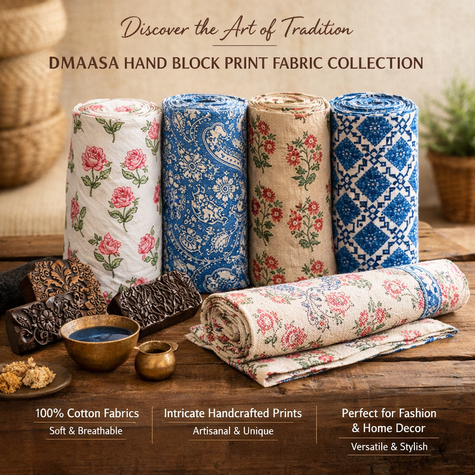
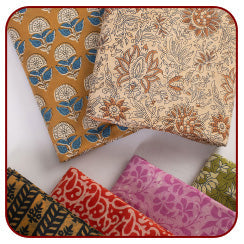
- Sanganeri & Bagru: Hailing from Rajasthan, these styles are a study in contrasts. While Sanganeri prints, celebrated for their delicate and intricate floral motifs on a pristine white background, create a sense of refined grace, Bagru prints are known for their bold, earthy aesthetic. The Soft Blue Floral Jaipur Hand Block Printed Cotton Fabric and Pure Cotton Hand Block Printed Floral Dress Fabric in our collection are a tribute to the elegant simplicity of these Rajasthani masters.
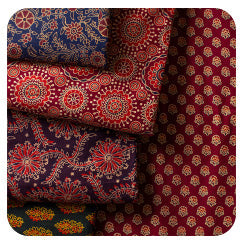
- Ajrakh: From the arid lands of Gujarat, Ajrakh is a majestic, double-sided printing technique using natural indigo and madder dyes. This process is a testament to the artisan's profound connection with nature, mirroring the cosmic patterns of the stars.
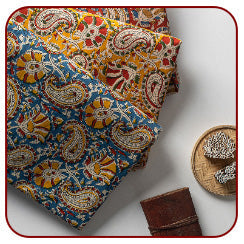
- Kalamkari Textiles: Primarily a form of freehand drawing with a bamboo pen, Kalamkari from Andhra Pradesh also incorporates block printing to narrate epic tales and mythological stories on fabric, creating a textile that is a visual library of Indian culture.
The Quality Floral Jaipuri Hand Block Printed Cotton Running Fabric and the Multi Floral Hand Block Printed Cotton Summer Dress Fabric on our site are not just products; they are living examples of these age-old artistic traditions, each pattern carrying the whispered wisdom of its region.
The Art of the Artisan: A Meticulous Process
A single yard of fabric from dmaasa.in is the culmination of a breathtaking, multi-step process. It begins with the master carver, who meticulously chips away at a block of seasoned teak or sheesham wood to create an ornate relief of the desired pattern. This wooden 'stamp' is then meticulously used by the printer, who carefully applies a vegetable-based dye from a tray and presses the block onto the fabric.
This rhythmic process is repeated hundreds of times across the length of the fabric, with each motif perfectly aligned with the last Handcrafting imparts a unique charm, an imperfect beauty unattainable by automation. It is this authentic, humanised effort that makes every Hand Block Print Fabric from our collection feel so special and unique
Modern Living, Timeless Patterns: The dmaasa Aesthetic
Today, the elegance of hand printed textiles is being embraced by a discerning global audience, and we at dmaasa.in are proud to be at the forefront of this movement. We believe that heritage craftsmanship is not just for museums; it’s for modern, refined living.
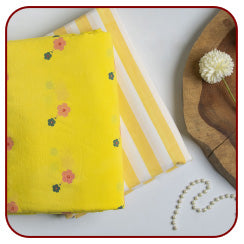
Our collection offers a seamless transition from traditional art to contemporary style. The soft, breathable nature of our cotton fabrics makes them perfect for a variety of uses. A length of our Pure Cotton Leaf Hand Block Print Fabric or the playful Yellow Floral Hand Block Printed Pure Cotton can be tailored into a stunning summer dress or a free-flowing kurta. Beyond clothing, the versatility of these fabrics extends to home decor, where they can infuse your living spaces with character and comfort.
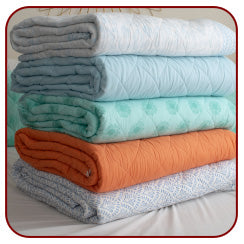
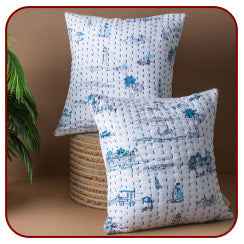
Imagine our Soft Organic Cotton Hand Block Printed Fabric transformed into a luxurious duvet cover, or the vibrant Multi Floral Hand Block Printed Cotton becoming eye-catching cushion covers. Our classic Hand Block Printed Polka Dots Organic Cotton is perfect for creating a set of whimsical pillow covers, while our soft and cosy dohar blankets can feature intricate paisley or floral designs, bringing a touch of artisanal luxury to your bedroom.

A Legacy Renewed: Preserving the Craft for Tomorrow
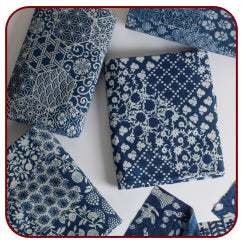
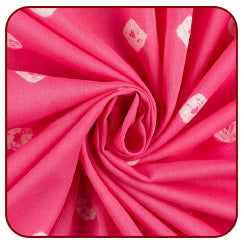
In an era of mindful consumption, selecting hand block-printed cotton is a powerful statement. It's a choice that backs ethical craftsmanship, honors heritage, and champions sustainability. At dmaasa, we are dedicated to supporting the artisan communities who have kept this art alive. By bringing their creations directly to you, we ensure that every purchase helps sustain this incredible legacy. Each piece of fabric, whether it's the rich, vibrant red block print fabric or the subtle, calming blue block print cloth, tells a story of an art form that has weathered centuries and emerged more beautiful than ever.
FAQs
Where did block printing originate in India?
Block printing in India boasts a rich history, dating back more than 4,000 years to the Indus Valley Civilization. Archaeological findings from this period suggest that it was one of the earliest forms of textile artistry in the region.
What is the difference between Bagru and Sanganeri prints?
Bagru and Sanganeri are two distinct styles of block printing, both from Rajasthan. Bagru prints are characterized by their deep, earthy color palette, often featuring black, red, and maroon, and their bold, nature-inspired motifs. They are created using a unique resist-dyeing technique. Conversely, Sanganeri prints are recognized by their intricate floral patterns and fine lines, which are typically printed on a light-colored fabric.
What kind of motifs are used in traditional block printing?
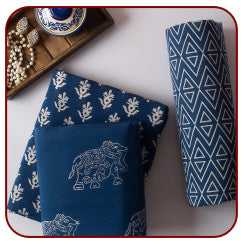
The motifs used in traditional block printing reflect local culture and the natural world. Common designs include delicate flowers like lotuses and poppies, intricate paisley patterns, and traditional birds and animals such as peacocks and elephants. Geometric patterns are also frequently used, with each design carrying its own cultural significance.
How is hand block printing different from machine printing?
The core difference between hand and machine printing is found in their process and final product. Hand block printing is a manual craft, where skilled artisans stamp designs onto fabric, and this hands-on approach results in slight variations and imperfections that make each piece one-of-a-kind. Machine printing, on the other hand, is a high-volume, automated process that produces perfectly uniform designs with no individual character.
Why is hand block printing still relevant today?
In a world of fast-fashion and mass production, hand block printing holds its relevance through its authenticity and sustainability. Each piece is a unique work of art, telling a story of tradition and craftsmanship. The appeal lies in a desire for high-quality, ethically made goods that stand out from the crowd and have a personal touch.
More Blogs -| The Global Community of Bagru Print | The Export Journey: How Dabu Print Fabric | Magic of Indian Organic Cotton Fabric