


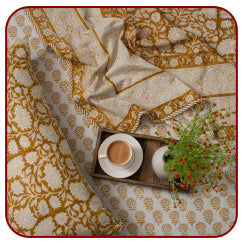
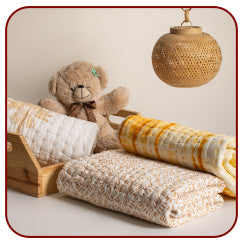
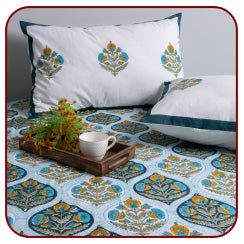
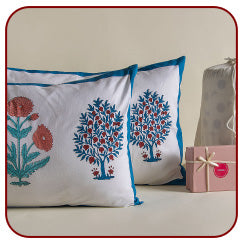
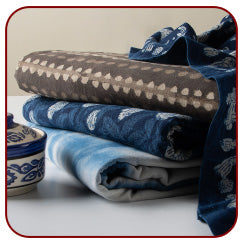
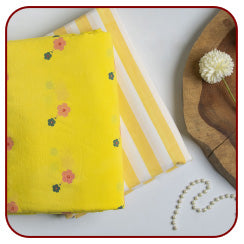
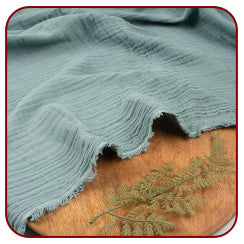
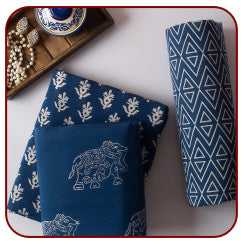
Introduction: Celebrate Diwali with Handmade Textiles
Diwali, the Festival of Lights, is a time of renewal, where every home transforms into a shimmering ode to joy and prosperity. While the sparkle of diyas sets the mood, the quiet sophistication of textiles truly infuses a space with warmth and luxury. The true soul of Indian home décor lies in its magnificent handcrafted fabrics—the rich heritage of Block printed textiles, the delicate embroidery of Kantha quilts, and the unparalleled comfort of pure, breathable cotton.
For the discerning homeowner, incorporating these Indian handmade fabrics for festival decor offers an opportunity to curate an ambiance that is both culturally rich and effortlessly chic. Yet, the path to sublime Handmade Diwali decor requires a discerning eye. This guide helps you navigate the world of handmade textiles, ensuring your Diwali styling is a masterclass in elegance, free from the Diwali decoration mistakes to avoid. Let us explore how to use exquisite cotton textiles to illuminate your space with enduring style.
Mistake #1: Ignoring Color Harmony
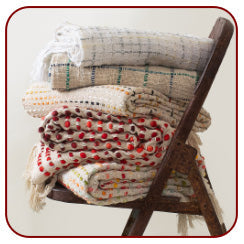
The haphazard introduction of clashing colors is one of the most jarring errors in festive styling. Simply combining every bright shade leads to visual chaos, not celebration. A common pitfall is pairing a richly patterned bedsheet with contrasting, jarringly bright cushion covers. The result is sensory overload.
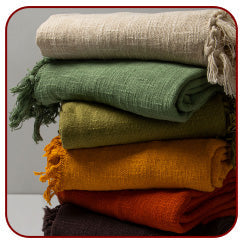
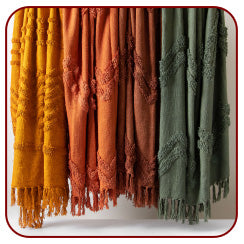
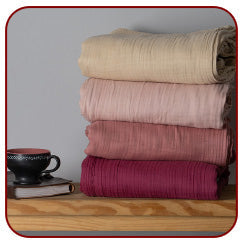
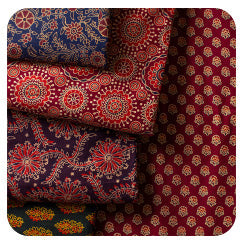
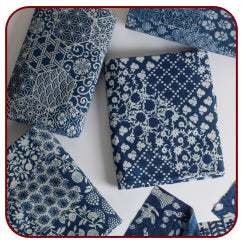
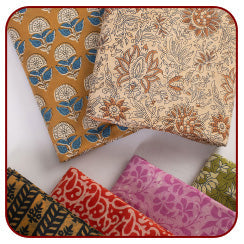
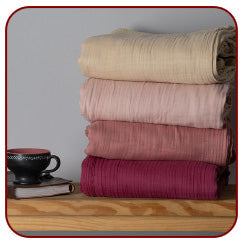
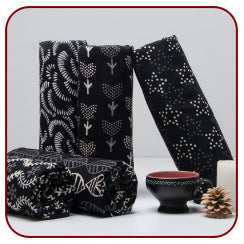
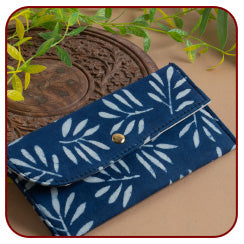
- The Polished Solution: Anchor your décor with textiles featuring a sophisticated palette. A dmaasa Block printed textile in Dabu indigo or a serene Sanganeri pastel can serve as your base. If your primary duvet cover features a complex print, choose solid or subtly textured pillow covers from the same color family (terracotta or soft marigold) to act as visual rest points. For a truly luxurious feel, utilize a light dohar blanket in a complementary muted tone. This choreography ensures your Diwali home styling with textiles feels curated, not collected.
Mistake #2: Overcrowding the Space
In an effort to be festive, many fall into the trap of 'maximalism gone wrong.' Overcrowding a space with too many small, busy textile elements dilutes the impact of each piece. This is a crucial Diwali decoration mistake to avoid as it sacrifices the visual breathability of your room.
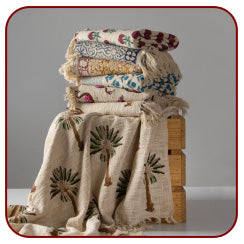
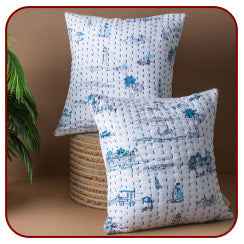
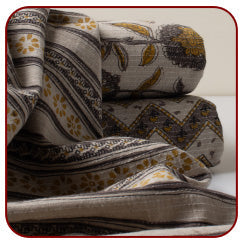
- The Polished Solution: Adopt a strategy of fewer, better textiles. Instead of displaying every beautiful piece, let your star items shine. Select a few large, exquisitely crafted cushion covers, perhaps mixing textures—Kantha work, plain heavy cotton, and subtle Block Print. Drape a single, stunning Kantha quilt over the back of a chaise lounge. The sheer scale and meticulous stitching of the Kantha quilts and Diwali styling make it a sufficient showstopper. For dining areas, use a single, elegant Diwali table runner instead of layering small mats.
Mistake #3: Neglecting Scale and Proportion
Neglecting the relationship between the size of the textile and the furniture it adorns is a serious styling misstep. An undersized blanket or an overly large tablecloth can instantly cheapen an otherwise expensive aesthetic. This is a crucial element of common mistakes to avoid when decorating with handmade textiles for Diwali.
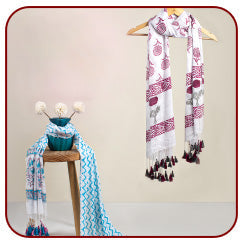
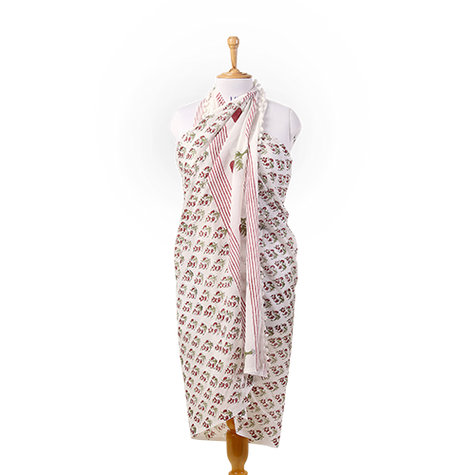
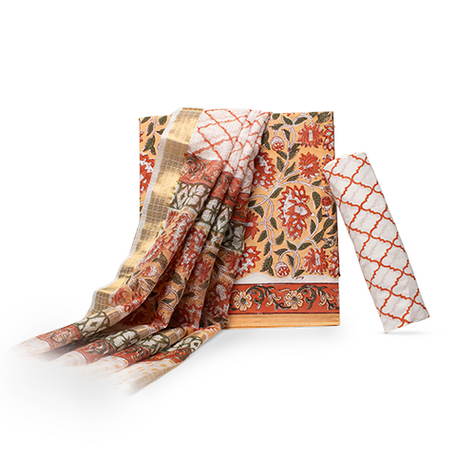
- The Polished Solution: Always check the dimensions. Ensure your bedsheets and duvet covers are appropriately sized for your bed (referencing available sizing options like King, Queen, Double, Single). A small side table requires a delicate stole or scarf repurposed as an accent cloth, not a full-sized throw. Conversely, a grand dining table calls for a long, impressive runner or perhaps an arrangement using suit material fabric lengths. Proportionality ensures the textile looks tailored, not haphazard.
Mistake #4: Forgetting Maintenance & Care
The beauty of fine cotton textiles is their longevity, provided they are treated with respect. A glaring Diwali decoration mistake to avoid is believing these materials require no special attention, leading to premature fading, shrinkage, or pilling.
- The Polished Solution: True luxury incorporates mindful care. All fine cotton Pillow covers, Cushion Covers, and large Bedsheets should be cared for according to best practices for high-quality cotton. Pre-wash new textiles according to instructions to preserve the integrity of the weave and the dyes. If a stain occurs on a visible piece like a dohar blanket, address it immediately. This small act ensures your investment in Indian handmade fabrics remains vibrant and pristine for seasons to come.
Mistake #5: Using Synthetic or Low-Quality Materials
The market is saturated with fast, synthetic "festive" textiles that lack the luxurious hand-feel, rich drape, and breathability of authentic Indian cotton. Mixing them with genuine handmade cotton is a stylistic betrayal.
- The Polished Solution: Commit to the authenticity and tactile pleasure of pure cotton. Dmaasa specialises in premium cotton Indian handmade fabrics, including exquisite Block printed textiles. A fine cotton duvet cover drapes beautifully and reflects light, which synthetic blends cannot replicate. When your guests handle a high-quality cotton stole or sit on a sofa layered with a cotton dohar, the superior feel elevates the entire experience. This commitment to quality material is the bedrock of Sustainable Diwali home decor.
Mistake #6: Ignoring Cultural Context & Patterns
Handmade Indian textiles are rarely just fabric; they are living narratives of regional artistry. Ignoring the cultural weight and history embedded in patterns like the Sanganeri floral motif reduces the textile to a mere colorful object, stripping your décor of its depth.
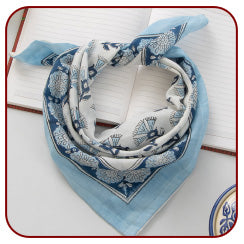
- The Polished Solution: Use your textiles as conversation starters. Research the origins of your Block printed fabrics for Diwali. A hand-stitched Kantha quilt is a canvas of Bengali storytelling. For smaller touches, use a richly patterned bandana or scarf laid on a console table. By appreciating the artistry, your Traditional Indian fabric décor moves beyond mere decoration to become a respectful and educated tribute to Indian craft.
Mistake #7: Neglecting Sustainability
Choosing textiles that are ethically sourced and environmentally responsible is a mark of a refined homeowner. Opting for mass-produced, fast-fashion textiles for a single festival is a major Eco-friendly Diwali decoration idea mistake.
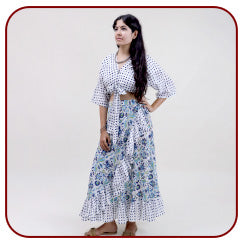
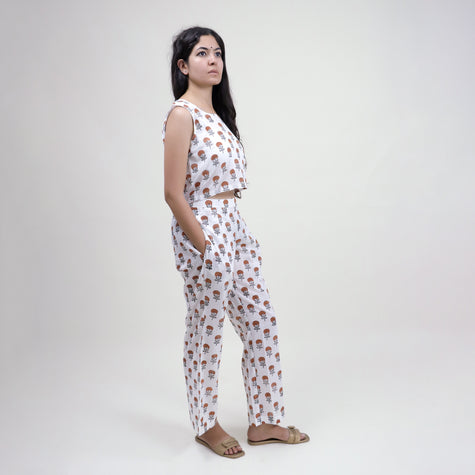
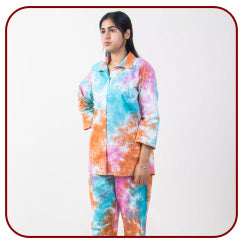
- The Polished Solution: Choose textiles with provenance. The beauty of handmade cotton (used for coord sets, pant top sets, and home linens) lies in its slow production process, which supports livelihoods and promotes Sustainable Diwali home décor. By investing in a high-quality, long-lasting item like a sturdy cotton suit material or a reversible dohar blanket, you are choosing longevity over disposability. This thoughtful choice adds a layer of ethical luxury to your celebration.
Mistake #8: Poor Lighting Choices
Handmade textiles thrive on light, which reveals the nuanced texture and depth of the dye. Using textiles in poorly lit corners or under harsh, unflattering ceiling lights renders the detailed Block Print or the delicate Kantha stitching invisible or washed out.
- The Polished Solution: Light is the final, essential accessory. When placing rich textiles like a velvet-finish cotton cushion cover or a vibrant Diwali table runner, ensure they interact with the light source. Use warm, soft ambient lighting—the golden glow of diyas or candles—to accentuate the texture of your Kantha quilts and Diwali styling. The texture of cotton captures and diffuses warm light, creating an inviting, luxurious atmosphere that truly brings your Diwali home styling with textiles to life.
Creative Tips to Avoid These Mistakes
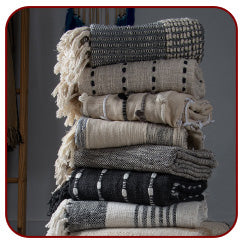
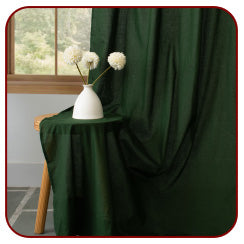
- Layer Textures, Not Just Prints: Pair a smooth cotton bedsheet with a richly textured Kantha quilt. Use a simple woven stole as an elegant tie-back for curtains to introduce a subtle Block Print without pattern overload.
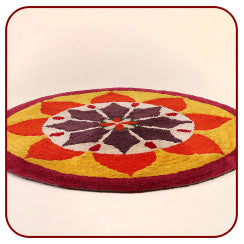
- Repurpose with Panache: The versatility of Indian cotton textiles is an asset. Use a vibrant pant top set fabric (suit material) as an elegant drape on an entrance arch. A smaller bandana or scarf can serve as an elegant coaster or a centerpiece for a small rangoli.
- Focus on Tactile Luxury: Ensure your cotton coord sets for home entertaining are as comfortable and refined as your living room linens. The feeling of quality fabric against the skin enhances the luxurious immersion of the festival.

Conclusion: Make Your Diwali Decor Memorable & Elegant
The elegance of Handmade Diwali décor lies not in extravagant spending, but in thoughtful curation. By avoiding these common errors—from color clashes to neglecting the textile's story—you elevate your celebration from merely festive to genuinely magnificent. Choose quality, embrace the artistry, and let the timeless sophistication of pure Indian cotton, from the depth of Dabu prints to the warmth of a dohar, make your Diwali a memorable and enduring celebration of light and luxurious style.
FAQ Handmade Textiles
What are common mistakes when decorating with handmade textiles for Diwali?
The most common mistakes include ignoring color harmony between pieces, leading to visual clutter; overcrowding spaces with too many small items; neglecting the proper scale of bedsheets and throws for the furniture; and using low-quality materials that detract from the luxurious feel of genuine cotton Indian handmade fabrics.
How can I use handmade quilts and fabrics effectively for Diwali decor?
Use handmade Kantha or cotton dohar blankets as focal points. Drape a single, magnificent Kantha quilt over the back of a sofa or at the foot of a bed. This showcases the intricate stitching, adding immediate depth and a layer of curated luxury to your Diwali home styling with textiles.
Are block printed fabrics suitable for Diwali decor?
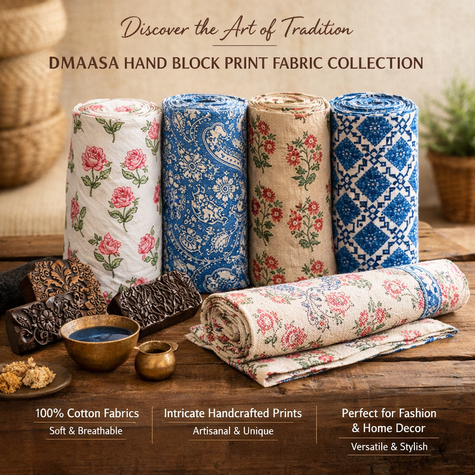
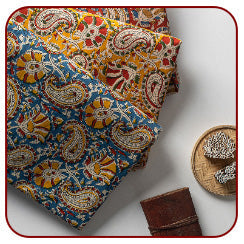
Absolutely. Block printed textiles for Diwali are a cornerstone of traditional Indian festival décor. The craftsmanship makes for vibrant yet elegant accent pieces. Use them for cushion covers, Diwali table runners, or even framed as artwork to anchor your Handmade Diwali décor.
How do I care for handmade textiles during Diwali?
To preserve the luxury of your cotton duvet covers and pillow covers during the busy festival, always follow the care label. High-quality cotton textiles should generally be washed gently and line-dried to maintain the fabric integrity, color vibrancy, and perfect fit, ensuring your Traditional Indian fabric décor lasts for years.
Can I mix modern and traditional textiles for Diwali decor?
Yes, and the contrast creates a sophisticated look. The key is balance. Pair a traditionally patterned Block printed textile (the traditional element) with modern, solid-colored cotton (the modern element). This approach highlights the artistry of the handmade item while keeping the overall aesthetic clean and contemporary.
Why is sustainability important in Diwali decor?
Sustainability, reflected in Eco-friendly Diwali decoration ideas, is a modern necessity. By choosing high-quality, long-lasting cotton coord sets or hand-stitched Kantha quilts, you are supporting ethical artisan practices and rejecting fast-fashion disposability, making a mindful and luxurious choice.
Where can I buy authentic handmade textiles for Diwali decor?
For authentic, high-quality Indian handmade fabrics, look for trusted sources that specialize exclusively in Indian textiles and cotton products, such as bedsheets, stoles, and suit material. Websites that clearly document their commitment to artisan craft, like dmaasa, are excellent starting points for curating your luxury collection.
How do I avoid clutter when using multiple handmade textiles?
The solution lies in strategic selection and spacing. Limit patterns to one primary area (e.g., a patterned bedsheet) and use solid, richly textured cotton (like a plain dohar blanket or neutral cushion covers) for all secondary layers. This creates visual breaks and ensures your Diwali table runners and cushions tips result in elegance, not overload.
Relevant Blogs : Make Handmade Diwali Gift Bags | Why Hand Block Print Fabrics Are Still Loved | Top Hand Block Printed Fabric Trends for Diwali 2025 | Power of the Pant-Top Set with Dmaasa | Hand Block Printing in India | Indian Organic Cotton Fabric | Dmaasa Hand Block Print |