


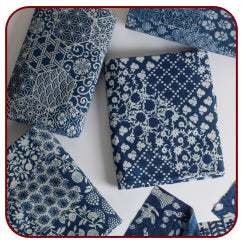
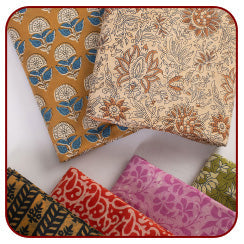
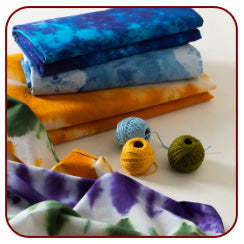
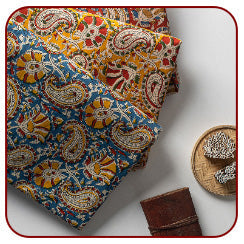
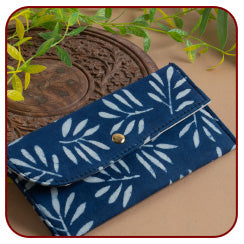
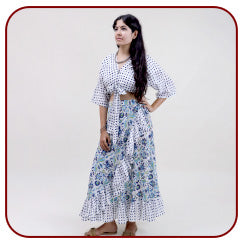
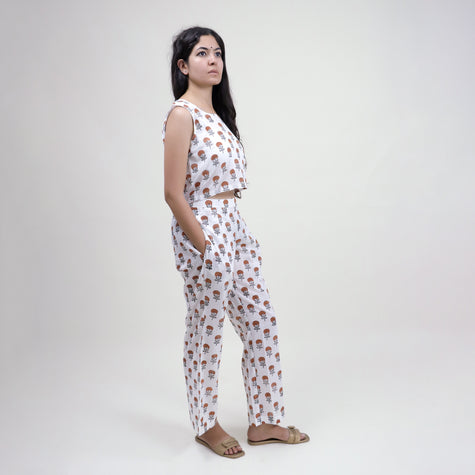
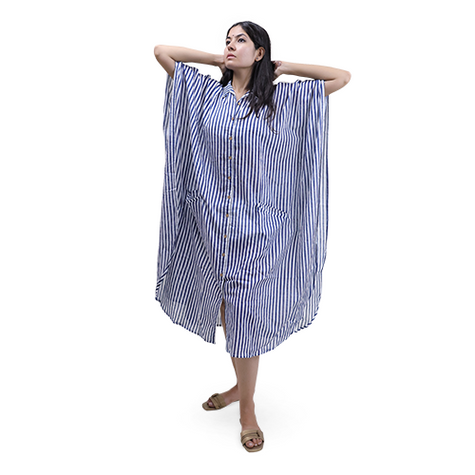
There’s a specific, quiet alchemy that occurs when a length of stark white cotton finally surrenders to the indigo vat. It isn’t merely a change of pigment; it’s a transformation of soul. When you run your fingers over a piece of shibori cotton fabric, you aren't just feeling fibers—you’re touching a dialogue between human hands and the fluid, often stubborn nature of liquid. I believe that at DMAASA, we don't just sell textiles; we curate living artifacts of a slow, conscious lifestyle.
What Is Tie Dye Shibori Fabric?

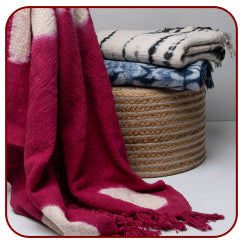
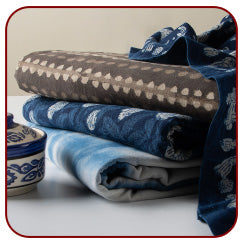
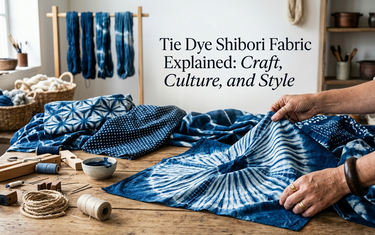
Defining it simply feels like a disservice. What is tie-dye shibori fabric? At its core, it’s a centuries-old Japanese resist-dyeing method that has found a soulful, permanent home within Indian craftsmanship. Forget the chaotic, neon swirls of 1960s Western tie-dye. Shibori is a disciplined art of memory. The fabric is folded, twisted, bunched, or bound—physically "remembering" every ounce of pressure applied to it—before the immersion begins. The result? A hauntingly beautiful "ghost" of the bind, manifesting as soft blurs, crisp geometries, and those iconic watery lines. In India, this technique marries our love for sustainable ethnic fabric India with a global aesthetic, creating something that feels both ancestral and strangely avant-garde.
The Craft: How Tie Dye Shibori Fabric Is Made
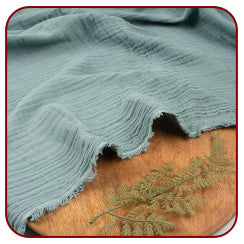
The process is a masterclass in raw patience. Rarely do we appreciate the sheer physical labor required to yield a single yard of handmade tie dye cotton fabric. It starts with the canvas—and the substrate is everything. Maybe it’s the ethereal, barely-there whisper of Malmal or the structured, reliable embrace of Poplin.
The artisan manipulates the cloth—pleating it into precise accordions or binding it with thread to create the Kumo (spiderweb) or Nui (stitched) patterns. Then comes the dip. Because we prioritize eco friendly shibori fabric India, our dyes interact with the fibers in a way that synthetic alternatives simply cannot mimic. When the bindings are finally snipped away, the "reveal" is pure magic. No two meters are identical; those slight variations aren't flaws—they’re the signature of a human hand.
Cultural Significance of Tie Dye and Shibori in India

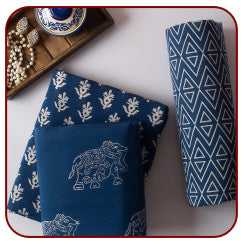
India has always been a land defined by its drapes. From royal courts to the everyday elegance of a cotton sari, our identity is woven into our cloth. While Shibori has Japanese roots, the spirit of tie and dye cotton fabric is deeply Indian, echoing our own Bandhani and Leheriya traditions.
It represents a bridge. I find that Shibori resonates with the modern Indian because it honors our heritage of "Slow Fashion" while offering a sophisticated, minimalist palette. It’s a quiet revolution against the loud, disposable trends of the fast-fashion era. It’s fabric that demands you slow down.
Why Tie Dye Shibori Fabric Is Popular in India Today
Why do we keep returning to these patterns? I suspect it's because Shibori offers a refined versatility that few other prints can match. In an age of digital overstimulation, the organic, blurred edges of a handmade shibori fabric India offer visual rest.
It is also, fundamentally, sustainable cotton fabric. Today’s discerning reader isn't just looking for style; you’re looking for a story you can stand behind. Whether it’s the rugged texture of Canvas and Drill for accessories or the smooth, lustrous finish of Satin Cotton, there is a Shibori for every mood.
Styling and Uses of Tie Dye Shibori Fabric
The real beauty? It’s a total chameleon. People often ask, how can tie dye shibori fabric be used? My answer is usually: wherever you want to feel a bit more grounded.
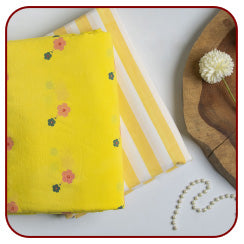
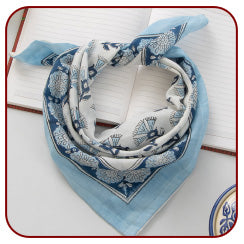
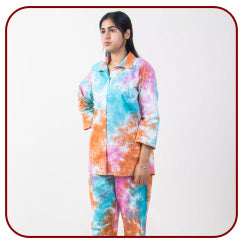
Apparel: There is something inherently "un-fussy" about tie dye fabric for kurtas and dresses. It’s effortless. Picture a structured coord set in heavy Drill for a morning meeting, or a breezy pant top set in Slub Cotton for a weekend brunch. If you’re the type who likes a custom fit, our suit material in Cambric or Muslin is basically a blank canvas for your tailor. And for those smaller touches? A bandana, scarf, or stole in Voile—the kind of piece that turns a boring white tee into a statement.
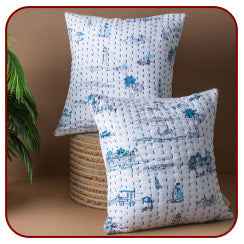
The Home: Your space should feel curated, not just "decorated." A bedsheet in Satin Cotton has this subtle sheen that looks incredible under warm light. Pair it with pillow covers or cushion covers in varying shibori patterns to add layers. For the colder months, I’m a firm believer in the dohar blanket. In Malmal, it’s like being wrapped in a cloud. Add some duvet covers into the mix, and you’ve basically turned your bedroom into a boutique sanctuary.
DMAASA’s Commitment to Craft and Sustainability
Why choose DMAASA for tie dye shibori fabric? Because we’re obsessed with the "how." We don't do shortcuts. Every yard of DMAASA tie dye fabric represents a lineage of artisans who refuse to let these techniques die. By playing with everything from rugged Canvas to the most delicate Muslin, we ensure every item has a specific purpose. It’s not just a product; it’s a tiny piece of heritage.
Caring for Tie Dye Shibori Fabric

You’re a custodian now, not just a consumer. Is tie dye shibori fabric suitable for daily wear? Absolutely. It’s tough. But you have to be smart about it.
Cold water only. Always. And keep the detergent mild.
Shadow is your friend. Drying in direct sunlight is the fastest way to kill that deep, moody indigo.
The Ironing Rule: Slub and Poplin love a crisp press. But Malmal? Let it stay a bit crinkled. It looks more "real" that way.
Conclusion: A Fabric That Tells a Story
In a world full of disposable things, choosing a textile that takes weeks to make feels like a quiet act of rebellion. Tie dye shibori fabric isn't perfect—and that’s exactly why it's a luxury. It’s the human element. At DMAASA, we aren't just selling you a cloth; we’re inviting you to own a piece of a story that’s still being written.
FAQ
What is tie dye shibori fabric?
A Japanese-origin resist-dyeing method that uses folding and binding to create those iconic, watery "memory" patterns on cloth.
Is tie dye shibori fabric suitable for daily wear?
100%. When it’s on a sturdy base like Poplin or Cambric, it handles the daily grind beautifully.
Are tie dye shibori fabrics eco-friendly?
Ours are. We stick to natural fibres and artisanal methods that respect the planet.
How can tie-dye shibori fabric be used?
Everything from coord sets and suit material to duvet covers and dohar blankets.
Why choose DMAASA for tie-dye shibori fabric?
Because we bridge the gap between premium Indian cotton (like Satin Cotton and Muslin) and authentic, slow-made craft.
Also Read: The Story Behind Sanganeri Hand Block Print Fabric by DMAASA | Sofa Throw Blankets Explained: Materials, Design, and Care | DMAASA |