


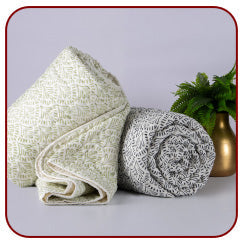
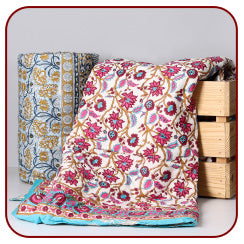




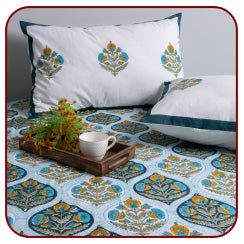
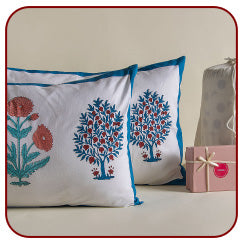
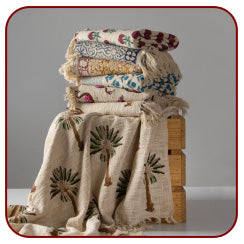
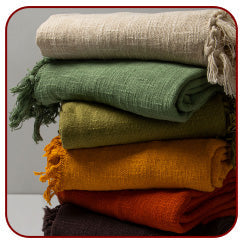
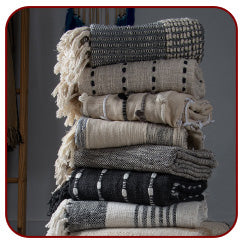
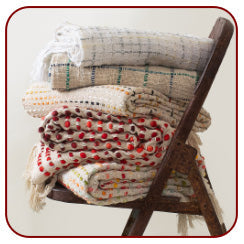



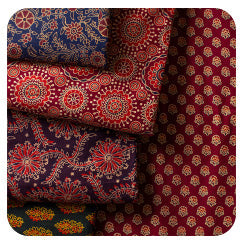
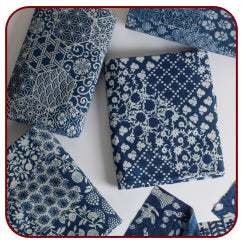
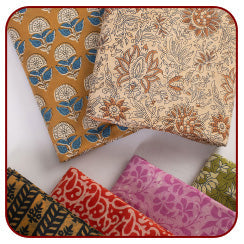

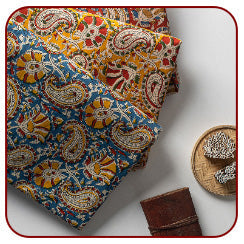
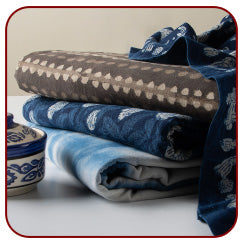
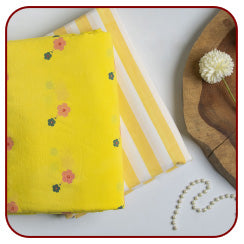
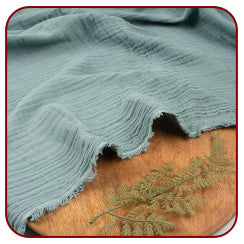
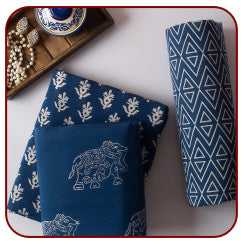



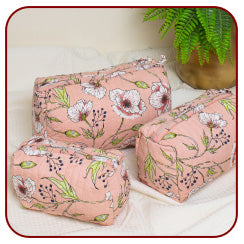
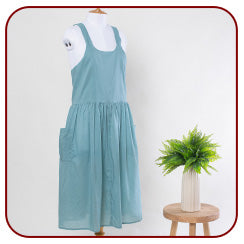
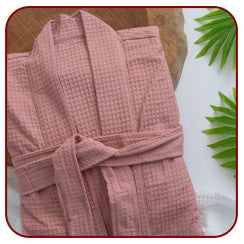
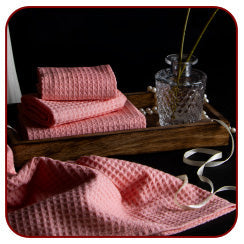

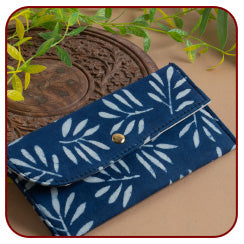
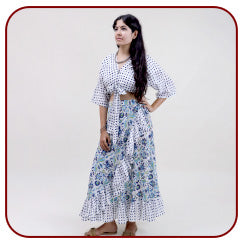

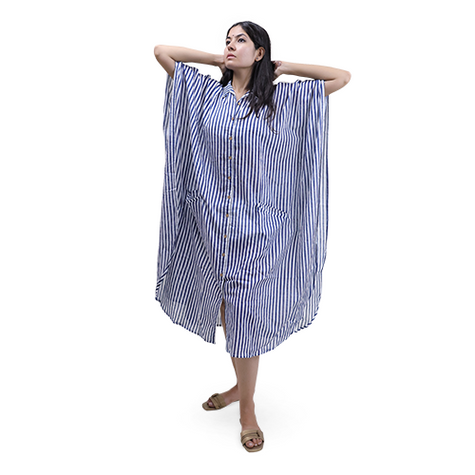
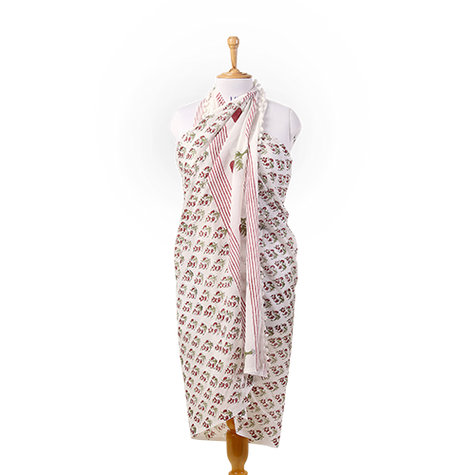
In the heart of Rajasthan, where the sun kisses the earth with a golden warmth, a centuries-old craft breathes life into cotton. This is the art of Sanganeri block printing, a heritage woven into every thread and design. At Dmaasa, we believe that each piece—be it a flowing kurta, a graceful saree, or a cosy bedsheet—is more than just a product; it’s a story, a legacy of skilled artisans and their meticulous hands. Caring for these treasures is not merely a chore; it’s a ritual that honours this legacy. This guide is for you, a connoisseur of authentic Indian craftsmanship, to ensure your Sanganeri cotton remains as vibrant and beautiful as the day you first brought it home.
Why Caring for Sanganeri Cotton Matters

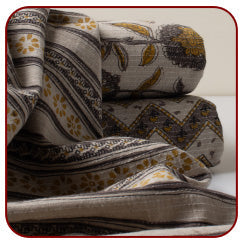
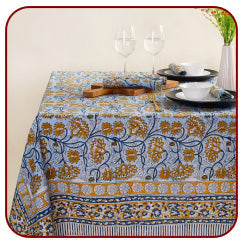
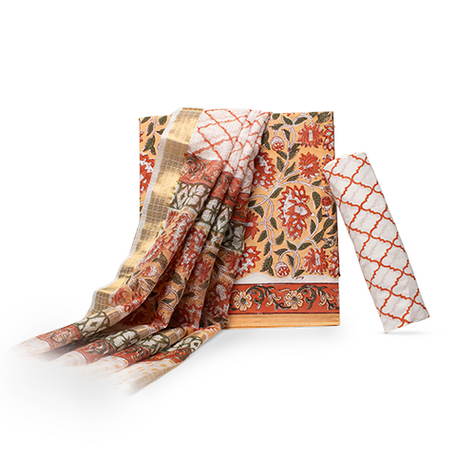
Sanganeri block printing is distinguished by its intricate, fine-line patterns, often featuring delicate floral motifs like lotuses, sunflowers, and marigolds. Unlike mass-produced textiles, each block print is an individual impression, giving it a unique, handcrafted character. The colours, rich and earthy, are chosen to reflect the natural beauty of the region. Proper care is essential to preserve this artistry. It prevents colour from bleeding, maintains the crispness of the fabric, and ensures the prints remain sharp and defined for generations. Think of it as a small act of reverence for the hands that brought this beauty to life.
How to Wash Sanganeri Cotton Fabrics Safely

When it comes to washing your Sanganeri cotton, a little mindfulness goes a long way. The key is to be gentle.
First Wash is Crucial: For the first wash, especially with new products like our Sanganeri cotton dress material or a freshly acquired bedsheet, we recommend a cold-water soak for 15-20 minutes with a tablespoon of salt. This simple trick helps to "fix" the colours and prevent future bleeding. Afterwards, rinse thoroughly.
Hand Washing is Preferred: While a washing machine can be tempting for our larger items like dohar blankets or bedsheets, hand washing is the safest bet for delicate prints. Use a mild, pH-neutral detergent. Our artisans pour their soul into these creations, and a gentle hand wash honours that effort.
Machine Washing (If You Must): If you must use a machine, use the delicate or gentle cycle. Always wash in cold water to prevent shrinking and colour loss. Place items like our Sanganeri print kurtas or pillow covers inside a mesh laundry bag to protect them from snagging.
Separation is Key: Always wash dark- and light-coloured Sanganeri cotton items separately. Our authentic Sanganeri fabric has a rich palette, and mixing colours can lead to unintended bleeds.
Drying Sanganeri Cotton: Do’s and Don’ts

The sun in Sanganer is a friend, but its direct rays can be a foe to your delicate prints.
Do Avoid Direct Sunlight: Sanganeri cotton, with its vibrant patterns, thrives when dried in the shade. Direct sun can cause the colours to fade over time. Lay the fabric flat or hang it on a line in a well-ventilated area away from direct light.
Do Skip the Dryer: The high heat of a machine dryer can be harsh on the fabric, causing it to shrink and the prints to crack. It also weakens the cotton fibres, reducing the lifespan of your cherished pieces. Instead, let them air dry naturally.
Ironing Tips for Preserving Block Prints
A crisp, well-ironed Sanganeri piece is a sight to behold. But be careful not to scorch the beautiful prints.
Iron on the Reverse: Always iron your Sanganeri cotton dress material, saree, or kurta inside out. This protects the block prints from direct heat and ensures they remain sharp.
Use a Low-to-Medium Heat Setting: High heat can damage the fibres and the prints. Ironing on a warm setting with steam works best to remove wrinkles without harming the fabric.
How to Store Sanganeri Cotton Fabrics Properly
Proper storage is the unsung hero of textile preservation.
Clean and Dry: Ensure your Sanganeri cotton is completely clean and dry before storing. Any moisture or dirt can attract pests or lead to mildew.
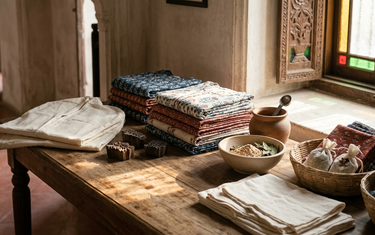
Air Circulation is a Must: Store your textiles in a breathable cotton or muslin bag. Avoid plastic covers, which trap moisture and can cause the fabric to yellow. Our Sanganeri cotton dupattas and kurtas, for instance, love to breathe.
Avoid Tight Folding: If you’re storing items for a long time, unfold and refold them every few months. This prevents permanent creases and wear along the folds. For sarees and dupattas, rolling is an excellent alternative to folding.
Long-Term Preservation for Sarees, Dupattas & Kurtas

For your most treasured pieces, like a Sanganeri-print cotton saree or a special-occasion kurta, a little extra effort ensures they last a lifetime.
Use Acid-Free Tissue Paper: For delicate items, layering with acid-free tissue paper can protect the prints and prevent them from sticking to each other.
Check for Pests: Periodically check your stored items for any signs of moths or other pests. A few sachets of dried neem leaves or cloves can act as a natural repellent.
Common Mistakes to Avoid While Caring for Sanganeri Cotton
Using Harsh Bleach or Stain Removers: These can strip the colour and damage the cotton fibres.
Wringing the Fabric Too Hard: This can distort the prints and stretch the fabric.
Leaving Items Soaking for Too Long: Over-soaking can cause colors to bleed.
Hanging Heavily While Wet: This can cause the fabric to lose its shape.
Conclusion: Keeping Tradition Alive Through Care
Caring for your Sanganeri cotton is an act of appreciation—for the art, the artisans, and the stories they tell. By following these simple steps, you not only preserve the beauty of your bedsheets, dohar blankets, or cushion covers but also become a part of the living tradition of Indian craftsmanship. At Dmaasa, we are proud to be custodians of this heritage, and with your careful stewardship, these pieces will continue to grace your life with their elegance for years to come.
FAQ
Q: Can I wash Sanganeri cotton in a washing machine?
A: Yes, but it is recommended to use the gentle or delicate cycle with cold water. For best results, place the item in a mesh laundry bag.
Q: What is the best detergent for Sanganeri block-printed fabric?
A: A mild, pH-neutral liquid detergent is ideal. Avoid harsh chemical detergents or those with bleach.
Q: How can I prevent color fading in Sanganeri cotton?
A: Always wash in cold water, avoid direct sunlight when drying, and use a mild detergent. For the first wash, a cold water soak with salt can help set the colors.
Q: Is dry cleaning recommended for Sanganeri cotton sarees?
A: For the most delicate or heavily embellished sarees, dry cleaning can be an option. However, for most of our Sanganeri cotton products, gentle hand washing is sufficient and preferred.