


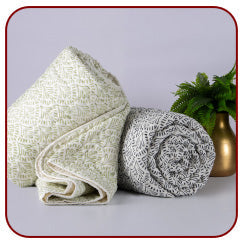
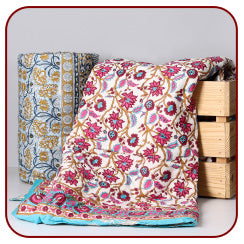
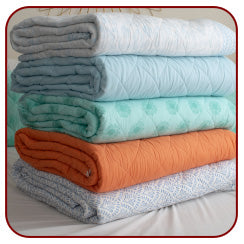
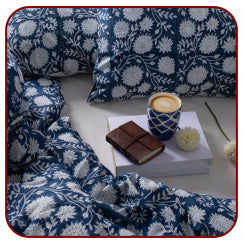
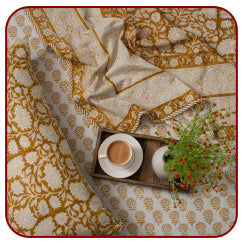
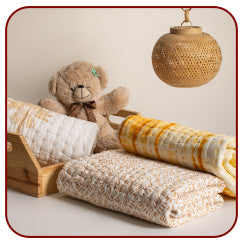
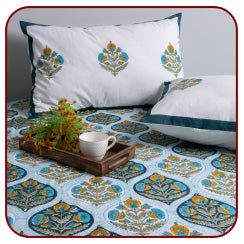
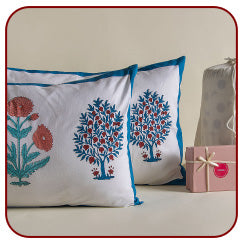
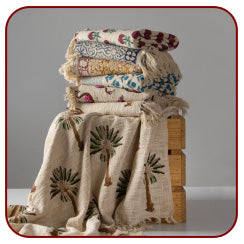
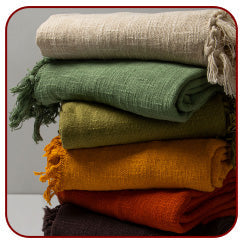
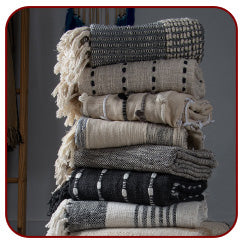
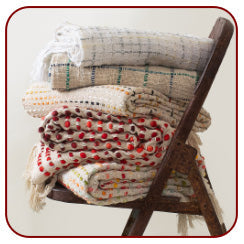
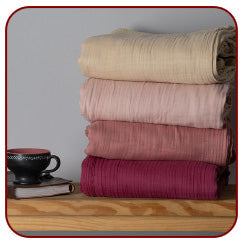
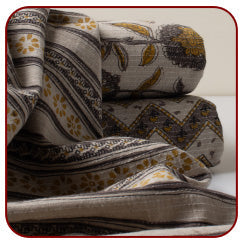
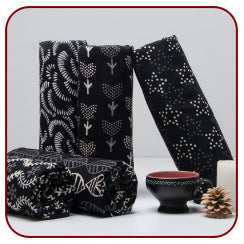
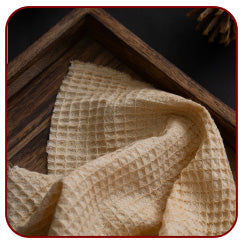
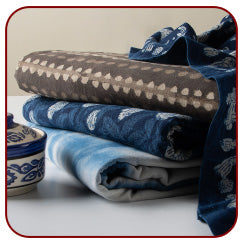
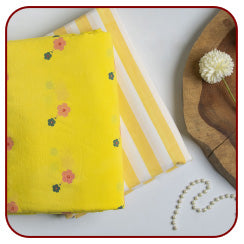
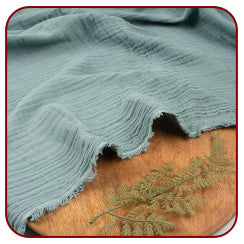
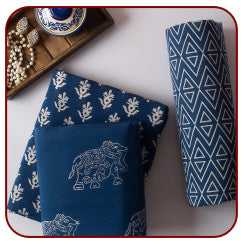
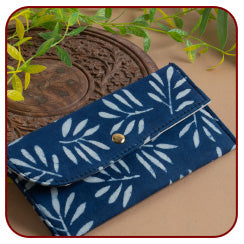
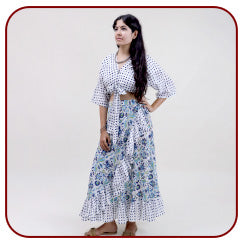
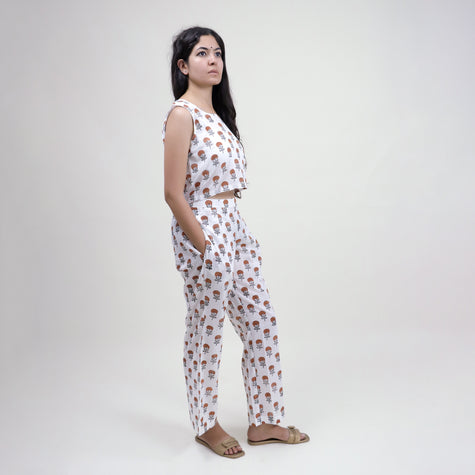
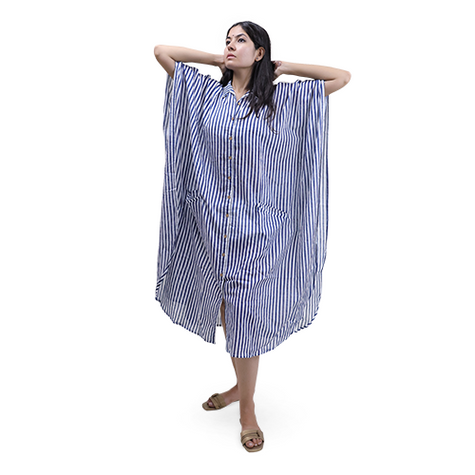

In the wonderful world of textiles, only a few fabrics are as respected and beloved as linen and cotton. They are the classics, the old souls of the fabric world, both born from the earth and cherished for their natural elegance. At Dmaasa, our love affair is with the rich, soft embrace of pure Indian cotton, a fabric that has woven itself into the very soul of our heritage. But we also believe that true appreciation comes from understanding the full picture. So, let’s settle in and unravel this timeless debate, thread by magnificent thread, and discover the nine key differences that define these two magnificent fabrics.
Linen vs Cotton: The Classic Fabric Debate
Imagine two friends. One is a little rugged, worldly, and effortlessly chic, with a history that stretches back to ancient civilizations. The other is soft-spoken, versatile, and universally loved, a comforting presence in every home. While we celebrate the versatility and gentle touch of cotton, we can't help but admire the rugged charm of linen. This isn't a battle; it's a conversation between two legends.
What is Linen?
Linen is the original old-money fabric. The journey of linen, spun from the cellulose fibers of the flax plant, is an art form in itself. The process is lengthy and meticulous, resulting in a fabric known for its incredible strength, beautiful texture, and a naturally rumpled look that suggests a life of effortless sophistication. If a fabric could be described as "perfectly imperfect," it would be linen.
What is Cotton?
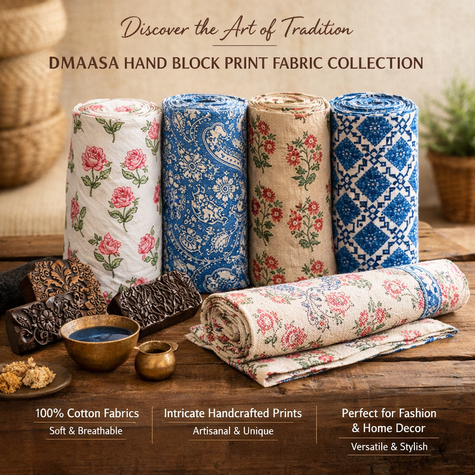
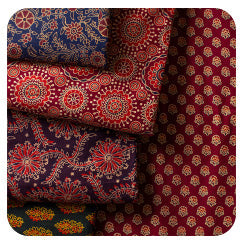
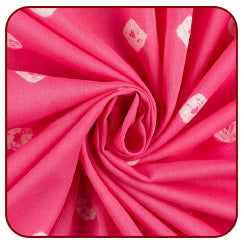
Cotton stands as the democratic heart of all fabrics. It comes from the soft, fluffy bolls that grow around the seeds of the cotton plant. It's the fabric of everyday comfort, of soft duvet covers and breezy shirts. Cotton is harvested and processed with relative ease, making it a staple across the globe. This fabric is like a familiar hug, effortlessly retaining its color and shape, just as you remember from childhood. At Dmaasa, we see it as a canvas—a way to bring vibrant patterns and luxurious comfort into your home with our pure cotton printed fabric.

Linen vs Cotton: 9 Key Differences You Must Know
Now for the details. While both are natural, plant-based powerhouses, they each have a distinct personality that makes them suited for different purposes.
1. The Tale of Texture : This is the most immediate difference you'll feel.
- Linen: Starts off with a crisp, slightly rigid feel. Its signature is the slub—tiny, natural knots and irregularities in the weave that add to its rustic charm. Over time, with every wash and wear, it softens into a buttery, luxurious textile that feels heavenly against the skin.
- Cotton: With high-quality 100% cotton, you get immediate softness, feeling a smooth and gentle surface the moment you touch it. Our cotton sateen bedsheets, for instance, are spun to be incredibly smooth and silky to the touch, offering a luxurious feel right out of the box.
2. The Great Wrinkle Debate : You should see linen's wrinkles not as a flaw, but as a feature of its character.
- Linen: It loves to wrinkle. Those beautiful, soft creases are a sign of its authenticity and a key part of its relaxed aesthetic. It’s a fabric that tells a story, and its wrinkles are the punctuation marks.
- Cotton: While it also wrinkles, it’s much more forgiving. Cotton fabrics, especially those with a tighter weave, are easier to iron and hold a crisp look longer. For those who prefer a more polished, neat appearance, cotton is the easier choice.
3. Breathability and Staying Cool : When the heat is on, both fabrics perform, but in different ways.
- Linen: The hollow core of the flax fibers makes linen an exceptional temperature regulator. It absorbs moisture without feeling damp and wicks sweat away from the body, drying quickly. The fabric is a great choice for warm climates because of its champion breathability.
- Cotton: It's also incredibly breathable. A lightweight pure cotton dress material allows for great air circulation. However, cotton holds onto moisture more than linen, which is why a pure cotton fabric for clothes might feel a bit heavier on a very humid day.
4. Strength and Durability : In the textile world, linen is an underrated heavyweight due to its durability.
- Linen: The flax plant gives us linen, which is notably thicker and more durable fiber than cotton. A high-quality linen piece can last for decades, becoming softer and more beautiful with each passing year. It's an investment that pays off in longevity.
- Cotton: It is durable, and our best quality cotton fabric is designed to withstand countless washes. However, over time, cotton fibers can break down, and the fabric may start to show signs of wear, especially in high-use items.
5. Water Absorption and Quick-Drying : This is a subtle but important difference.
- Linen: Despite its ability to hold a significant amount of water, linen is prized for its key feature: rapidly wicking moisture away and drying quickly.
- Cotton: Can absorb more than 25% of its weight in water, which is why it’s so effective in towels and medical applications. This also results in it holding moisture, leading to a more prolonged drying time.
6. Hypoallergenic and Skin-Friendly : Both fabrics are gentle, but linen has a unique advantage.
- Linen: This fabric is naturally resistant to bacteria and fungi, while its loose weave helps prevent the build-up of dust and allergens. This makes it an excellent hypoallergenic fabrics comparison choice for those with sensitive skin or allergies.
- Cotton: Also naturally hypoallergenic and gentle on the skin, which is why it's the go-to for baby clothes and intimate apparel. All our Dmaasa products are natural cotton textiles, free from harsh chemicals, ensuring a soft touch for every skin type.
7. Sustainability and Environmental Impact : Both are eco-friendly natural fabrics, but their farming footprints differ.
- Linen: Flax plants require significantly less water and pesticides to grow than cotton. The entire plant is used in production, leaving minimal waste.
- Cotton: The cotton plant, in the world of flora, is a particularly thirsty one. However, modern sustainable farming practices are reducing its water footprint. At Dmaasa, we are proud to offer eco-friendly cotton fabric, woven with a commitment to both quality and the planet.
8. Cost and Accessibility : This fabric's natural resistance to bacteria and fungi, combined with its loose weave, prevents the buildup of dust and allergens.
- Linen: The complex cultivation and processing of flax mean that linen is generally a more premium fabric, reflected in its higher price point.
- Cotton: As a highly cultivated global crop, cotton is widely available and more affordable. This accessibility, combined with its comfort, makes cotton fabric buy online a favourite for everything from everyday wear to home décor.
9. Styling and Aesthetics : This is where your personal taste truly comes into play.
- Linen: Linen's rumpled elegance is a perfect fit for a relaxed, bohemian, or minimalist look. It speaks of a casual luxury that doesn’t try too hard.
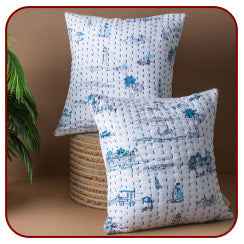
- Cotton: The versatility of cotton is unmatched. It has the unique quality of being styled for both a crisp, formal look and a soft, casual feel. With our range of cushion covers, dohar blankets, and bedsheets, cotton allows you to create any look you desire, from sophisticated to cosy.
When to Choose Linen Over Cotton
Choose linen when:
You are buying for a hot and humid climate and want the most breathable, quick-drying fabric.
- You appreciate a natural, elegant, and perfectly imperfect look.
- You are making a long-term investment in a fabric that will soften and improve with age.
- When to Choose Cotton Over Linen
- Choose cotton when:
- You want the softest fabric from day one for direct contact with your skin, like our pillow covers and bedsheets.
- You need a versatile fabric that is easy to care for and can be used for a wide range of products, from clothing to home goods.
- You’re looking for a luxurious feel that is both accessible and durable, like our best quality cotton fabric.

Conclusion: Which Fabric is Right for You?
The choice between linen vs cotton is a beautiful dilemma, not a difficult one. It all comes down to what you value most. At Dmaasa, our heart belongs to cotton—its timeless appeal, its unparalleled softness, and its deep roots in Indian craftsmanship. We believe that there’s a quiet luxury in the simple comfort of pure cotton, whether it's our soft duvet covers or our vibrant cushion covers.
So, whether you're drawn to the rugged poetry of linen or the gentle familiarity of cotton, we encourage you to choose what feels right for you. And if that choice leads you to the unmatched comfort and versatility of Indian cotton, we’ll be here to welcome you.
FAQ Lined vs Cotton
What is pure cotton fabric?
Pure cotton fabric is a textile made entirely from the natural fibres of the cotton plant, containing no synthetic blends. It is praised for its inherent softness and ability to breathe.
Is pure cotton fabric good for summer?
Yes, absolutely. Pure cotton fabric is considered one of the best for summer due to its breathability, which allows air to circulate and keep you cool.
Is pure cotton durable?
Yes, high-quality pure cotton fabric is very durable. It is a long-lasting material that can withstand frequent washing and daily use, making it ideal for our bedsheets and dohar blankets.
Which is better: linen or cotton?
Neither is universally "better". Linen is more durable and breathable, while cotton is softer, more affordable, and more versatile. Your best option will depend on your specific needs and what you personally prefer.
Is linen more durable than cotton?
Yes, linen is generally more durable than cotton because the flax fibers from which it is made are stronger than cotton fibers.
Which is softer: linen or cotton?
Cotton is softer from the very start. Linen has a crisp feel initially but softens beautifully with each wash, gaining a luxurious feel over time.
Relevant Blogs: | Ultimate Fabric Guide | Genuine Hand Block Printing | Hand Block Print on Fabric | Duvet vs Comforter |